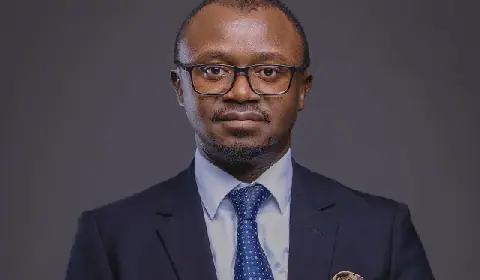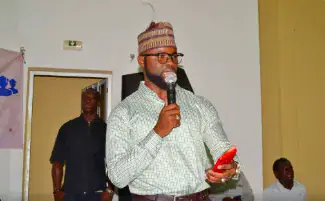
On October 28, 2026, the Senegalese Council of Ministers made 32 new appointments, but none of the individuals selected were from the Matam region. This latest development has sparked concerns about the region's lack of representation in key government positions. Hamedine Dieng, a well-known figure in Senegal, has expressed his disappointment and frustration with the situation. He argues that the region has been consistently overlooked for high-level appointments, despite having many qualified and capable individuals.
According to Dieng, the Matam region has been without a minister or director-general in the state apparatus for over two years. This, he believes, is a clear indication of the region's marginalization. Dieng's comments have sparked a renewed debate about the need for greater representation and inclusivity in Senegal's government. He emphasized that his criticism is not aimed at the individuals who have been appointed, but rather at the systemic issues that have led to the exclusion of the Matam region.
Dieng's call for action is centered on the principles of territorial equity and social justice. He argues that the region has a wealth of talented and dedicated individuals who are capable of holding high-level positions. The region's lack of representation, he believes, is not only a matter of fairness but also a hindrance to the region's development. Dieng's statement has resonated with many in Senegal, who see the need for greater inclusivity and diversity in the government.
The issue of representation is not limited to appointments, but also extends to the region's socio-economic development. Dieng has called for the resumption of stalled projects and the harnessing of the region's human potential. He believes that the region's development is closely tied to its ability to participate in the country's decision-making processes. The concerns raised by Dieng are not new, and he has previously expressed them to the authorities.
Dieng's comments have sparked a wider conversation about the need for greater representation and inclusivity in Senegal's government. Many have expressed support for his call for action, arguing that the country's development depends on the participation of all regions. The government has not yet responded to Dieng's comments, but his statement has highlighted the need for greater attention to the concerns of marginalized regions.
The Matam region is not seeking special treatment, but rather its rightful place in the country's decision-making processes. Dieng has emphasized that the region's aspirations are not based on regionalism or a rejection of others, but rather on a desire for fairness and equity. He believes that the region's contributions to the country's development have been overlooked for too long.
In conclusion, Dieng has reiterated that the Matam region exists and deserves to be recognized. He has called on the authorities to take concrete steps to address the region's concerns and ensure its full participation in the country's development. The issue of representation and inclusivity is likely to remain a major challenge for Senegal's government, and Dieng's comments have highlighted the need for urgent action.
Key points
- The Matam region has been without a minister or director-general in the state apparatus for over two years.
- Hamedine Dieng's call for action is centered on the principles of territorial equity and social justice.
- The issue of representation extends to the region's socio-economic development, with Dieng calling for the resumption of stalled projects and the harnessing of the region's human potential.