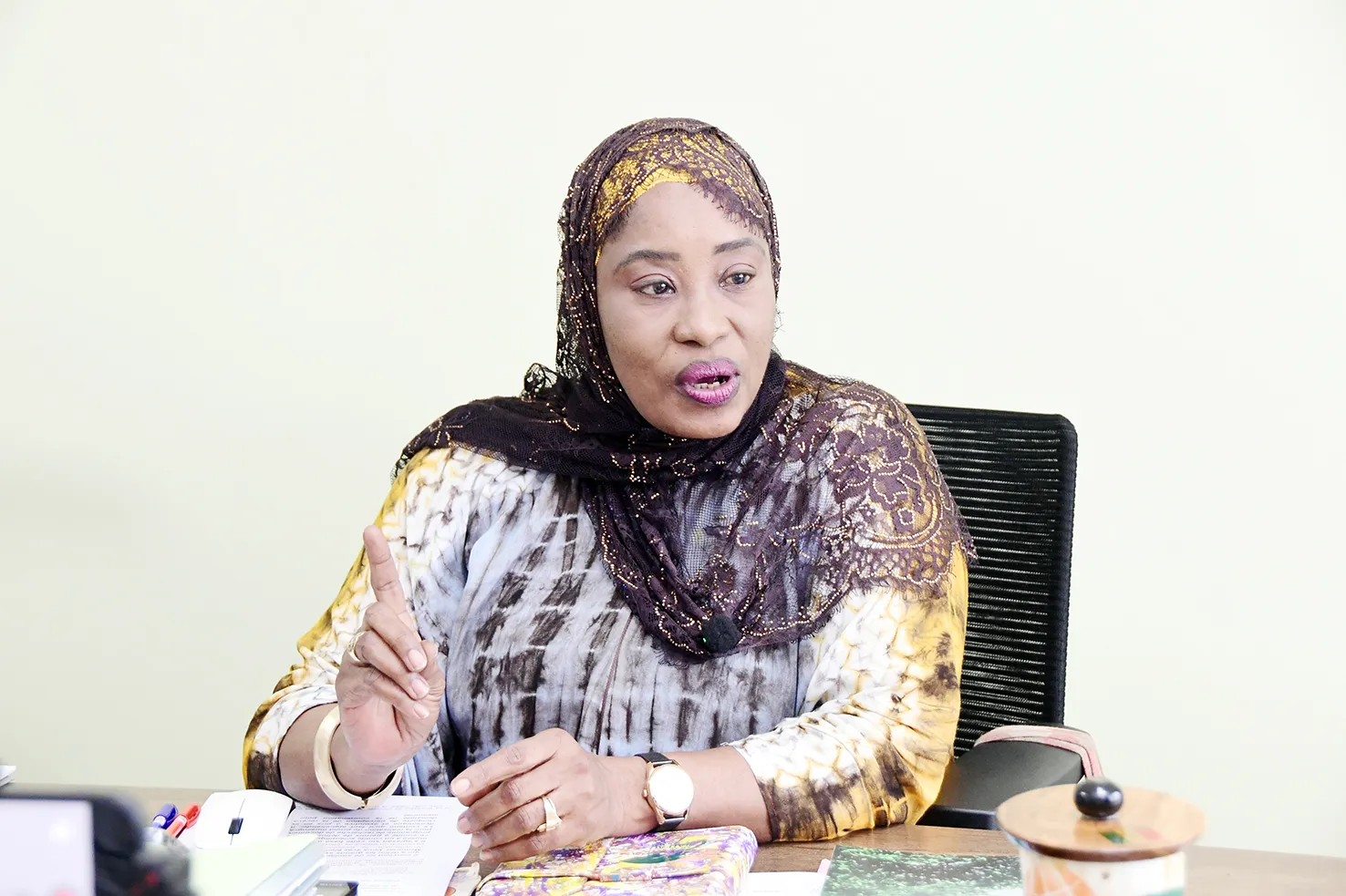
Sokhna Gaye Fall, administrator of the Mémorial du bateau «Le Joola», highlights the significance of the memorial in promoting a duty of memory and truth. The memorial, located in Ziguinchor, serves not only as a monument of remembrance but also as a center for pedagogical and scientific transmission. Since its opening between December 2025 and September 2026, approximately thirty nationalities have visited the memorial.
The idea of building the Mémorial du Joola originated from a desire to create a dedicated space for the victims of the tragedy. Initially, the site was planned to be located in Dakar, but it was eventually decided to build it in Ziguinchor, a region heavily affected by the tragedy, with 971 victims out of 1,863 officially recorded. The process of establishing the memorial began in 2015, under the instruction of President Macky Sall.
The memorial's primary objective is to immortalize the tragedy of the «Joola» shipwreck through meaningful actions. The Ministry of Culture, responsible for the memorial's direction, established a scientific and technical committee that developed the current museum layout. The memorial serves not only as a sanctuary for memory but also as a space for knowledge transmission, with a focus on educating young visitors who may not be familiar with the event.
The memorial's impact extends beyond its role as a memory keeper, as it also contributes to the development of the region. With nearly a quarter of a century having passed since the tragedy, the memorial has become an attractive destination for tourists, with approximately thirty nationalities visiting between December 2025 and September 2026. This diversity demonstrates the site's growing international recognition.
The process of creating the memorial was complex and involved several challenges. Between 2015 and 2020, finding a suitable site proved difficult, with the first two proposed locations deemed unsuitable due to technical issues. The project involved collaboration with the Association of Victims' Families, and a national architecture competition was launched to ensure a strong architectural design.
The memorial's content is just as important as its architecture. A scientific and museographic project was developed in collaboration with experts, and a phase of collecting objects belonging to the victims was carried out. This delicate task was entrusted to the families of victims from Ziguinchor, and a social acceptability study was conducted to ensure the project's sensitivity.
The memorial offers guided tours, including for schoolchildren, in collaboration with local educational authorities. The site is open to a wide and diverse audience, including preschool children. Efforts are being made to encourage educational authorities to include the memorial visit in school outings and integrate the history of the «Joola» shipwreck into the curriculum.
Key points
- The Mémorial du Joola serves as a center for memory, education, and tourism in Senegal.
- The memorial's establishment was a complex process that involved collaboration with various stakeholders, including the Association of Victims' Families.
- The site offers guided tours and educational programs to promote the understanding of the tragedy and its significance.