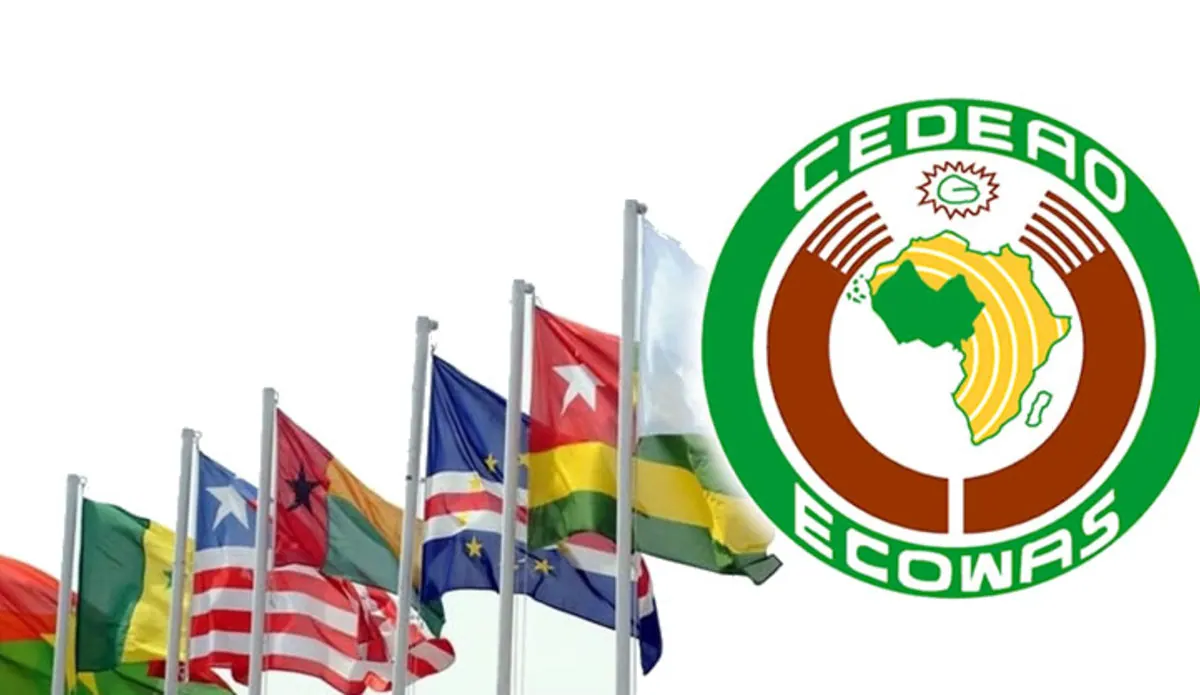
The question of when Senegal will hold its local elections has taken a regional turn, with the Economic Community of West African States (CEDEAO) being approached to pressure the government to set a date for the polls. According to reports, the local elections, initially scheduled for earlier this year, have been delayed, and the mandate of the current council members is set to expire in January 2027.
The Code électoral stipulates that local elections must be held within thirty days before the expiration of the current council members' term, which would be by January 22, 2027. However, President Bassirou Diomaye FAYE has yet to sign the decree to convene the electoral body or initiate the exceptional revision of electoral lists, essential steps for the polls to take place.
The approach to CEDEAO comes as the country navigates concerns over the electoral process. The organization has a protocol on democracy and good governance, which commits member states to holding free, transparent, and inclusive elections. Article 2.1 of the protocol also prohibits substantial reforms to electoral laws within six months of a poll without broad consensus among political stakeholders.
This is not the first time CEDEAO has been involved in Senegal's electoral matters. In 2021, the CEDEAO Court of Justice ordered Senegal to repeal a law on sponsorships, a decision that significantly altered the political landscape before the 2022 local elections. Various stakeholders, including the collective Ñoo Lank and the PASTEF, have taken legal and official steps to push for the electoral process to begin.
Ñoo Lank's urgent referral to the Supreme Court for useful measures was rejected on August 27, 2026. Meanwhile, PASTEF has officially requested the Ministry of Interior and the National Autonomous Electoral Commission (CENA) to initiate the process, criticizing the delay which it claims should not lead to a de facto postponement of the elections.
The local elections are critical for Senegal's democratic process, and stakeholders are keen to ensure that they are held in a timely and transparent manner. With the involvement of CEDEAO, there is hope that a resolution will be reached soon to enable the country to move forward with its electoral schedule.
As the expiration of the current council members' term approaches, Senegal's political landscape remains tense. The country looks forward to the establishment of a new council, and various stakeholders are working to ensure that the upcoming elections meet the required standards of transparency and inclusivity.
Key points
- The CEDEAO has been approached to pressure Senegal's government to set a date for the local elections.
- The local elections must be held by January 22, 2027, according to the Code électoral.
- The involvement of CEDEAO comes as concerns rise over the electoral process and the need for free, transparent, and inclusive elections.