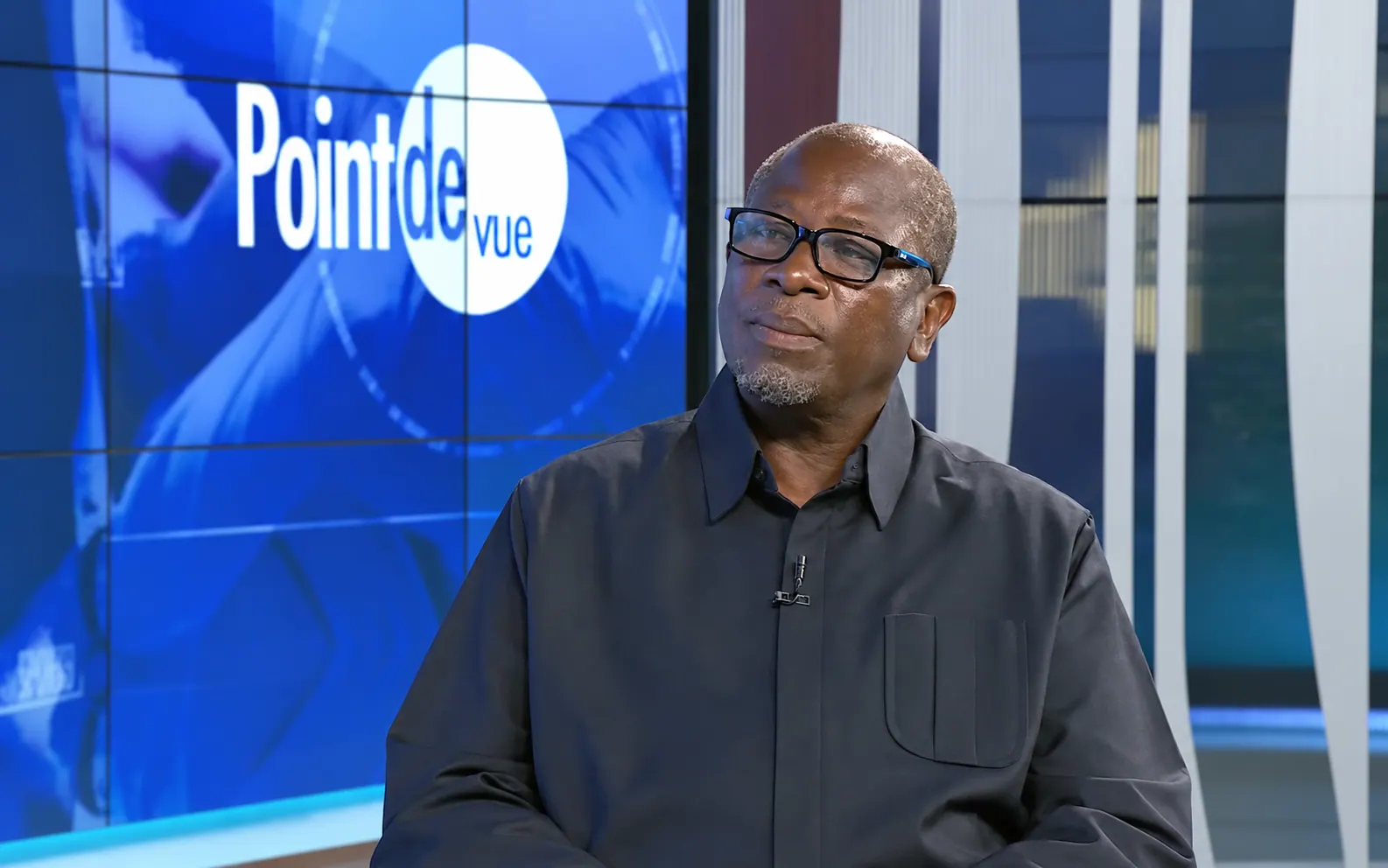
The debate over Senegal's upcoming local elections has taken a new turn as the electoral deadline approaches without an official date being set. Babacar Fall, coordinator of the Groupe de recherche et d'appui conseil pour la démocratie participative et la bonne gouvernance (GRADEC), believes that the country is now in a situation of "de facto postponement," even in the absence of a formal decision. He has consistently opposed the coupling of elections and believes that local elections should have been held on their due date.
Fall recalls that the civil society had previously expressed its position on this issue during a press conference a few weeks ago. While acknowledging that Senegal's territorial elections have been postponed several times in the past, he refuses to use this as automatic justification. He cites the postponements in 2001, 2007, and 2022 as examples, emphasizing that each time there was a specific reason for the delay.
The absence of consultation and clarification is what concerns Fall the most. Based on his reading of the electoral code, he notes that the mandate of municipal councillors is five years and believes that the process should have led to a date being set within the predicted timeframe. He questions why the president couldn't have called for a meeting with the political class and actors to discuss and reach a consensus on the postponement of the elections.
Fall disputes the idea that the election could be pushed back significantly beyond the end of the term without legal clarification. He argues that certain interpretations of the texts need to be discussed, citing a combined reading of the Constitution and the Electoral Code. In his view, holding the election several months after the expiration of the term would put the councillors concerned into a new year of mandate.
Fall does not deny the difficulties that may weigh on the organization of the election, including the country's financial situation and the reforms envisaged in the context of the Act 4 decentralization, which could have consequences on the electoral map. However, he believes that these elements should be used to fuel the debate rather than avoid it.
Fall calls for the president or the authority in charge of elections to convene the different parties to discuss the difficulties. He believes that the financial constraints and the issues related to decentralization can be understood by political and social actors if the reasons are clearly explained. For him, the problem is to raise the debate and let people discuss it to find solutions.
Fall rejects the idea of a civil society "obsessed" with elections, defending instead a democratic principle: the renewal of mandates at the end of their term. He does not close the door to a postponement if the constraints are objectively established, but believes that this should be formalized through a debate and a consensus.
Key points
- Babacar Fall calls for dialogue on the reasons for the delay in Senegal's local elections.
- The elections have been delayed without an official date being set, sparking concerns from the civil society.
- Fall disputes the idea of a significant postponement of the election without legal clarification.