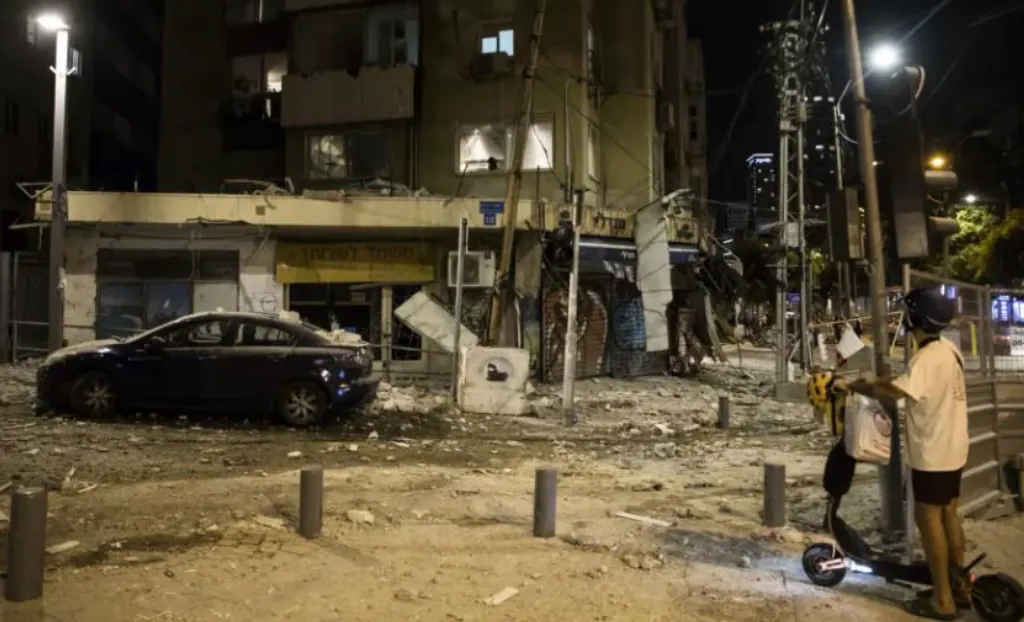
The recent surge in violence in the Middle East began on October 7, 2023, when Hamas launched a surprise attack on Israel, firing thousands of rockets and resulting in the deaths of approximately 1,200 people. The assault, dubbed "Operation Al-Aqsa Flood," also saw 251 individuals taken hostage. In response, Israel initiated "Operation Iron Sword" in the Gaza Strip. This marked the beginning of a significant escalation in the region.
In the days that followed, the conflict drew in other countries. On October 8, the Lebanese Shiite group Hezbollah fired dozens of projectiles at northern Israel in solidarity with Palestinian resistance. Israel retaliated with artillery fire in southern Lebanon. By October 16, around 60,000 people had been displaced in northern Israel near the Lebanese border. The situation continued to deteriorate, with the invasion of northern Gaza on October 27, prompting over a million people to flee their homes.
The conflict expanded as allies of Iran, including the Houthis in Yemen, engaged in the fighting. On October 31, the Houthis launched ballistic missiles and drones at Israel, pledging to continue attacks until the war in Gaza ceased. The Islamic Resistance in Iraq, backed by Iran, also claimed airstrikes against Israel on November 2. A temporary truce was brokered on November 24, involving the exchange of hostages and prisoners, and the entry of humanitarian aid into Gaza.
The involvement of various international bodies and countries became more pronounced. On January 11, 2024, a US-led coalition launched an offensive against the Houthis in Yemen, in response to threats to navigation in the Red Sea. The International Court of Justice ordered Israel on January 26 to take measures to protect the Palestinian population and prevent genocide in Gaza. Diplomatic efforts also saw Spain, Ireland, and Norway announcing their intention to recognize the State of Palestine.
The conflict continued to intensify, with a significant escalation in April 2024. An airstrike attributed to Israel hit the Iranian consulate in Damascus on April 1, killing 16 people, including two Iranian generals. Iran responded with a direct attack on Israel on April 13, firing over 300 missiles and drones. Israel announced it would respond to Iranian attacks, with explosions reported in the Iranian province of Isfahan on April 19.
The situation in Gaza remained dire, with the death toll reaching approximately 34,000, mostly civilians, by May 7. The Israeli military took control of the Palestinian side of the Rafah border crossing with Egypt. On May 22, Spain, Ireland, and Norway formalized their recognition of the State of Palestine. The leader of Hamas, Ismail Haniyeh, was killed in an attack in Tehran on July 31, attributed to Israel.
By late 2024, the conflict showed no signs of abating. The Hezbollah launched a large-scale attack on northern Israel on August 25, in retaliation for the killing of a senior leader. Israel responded with unprecedented sabotage operations in Lebanon on September 17 and 18, causing significant casualties. The United Nations warned of an imminent catastrophe in the region as cross-border airstrikes between Israel and Hezbollah intensified.
Key points
- The conflict began on October 7, 2023, with Hamas's surprise attack on Israel.
- The conflict involved various countries, including Lebanon, Syria, Iraq, Yemen, and Iran.
- Diplomatic efforts were made to recognize the State of Palestine and broker ceasefires.