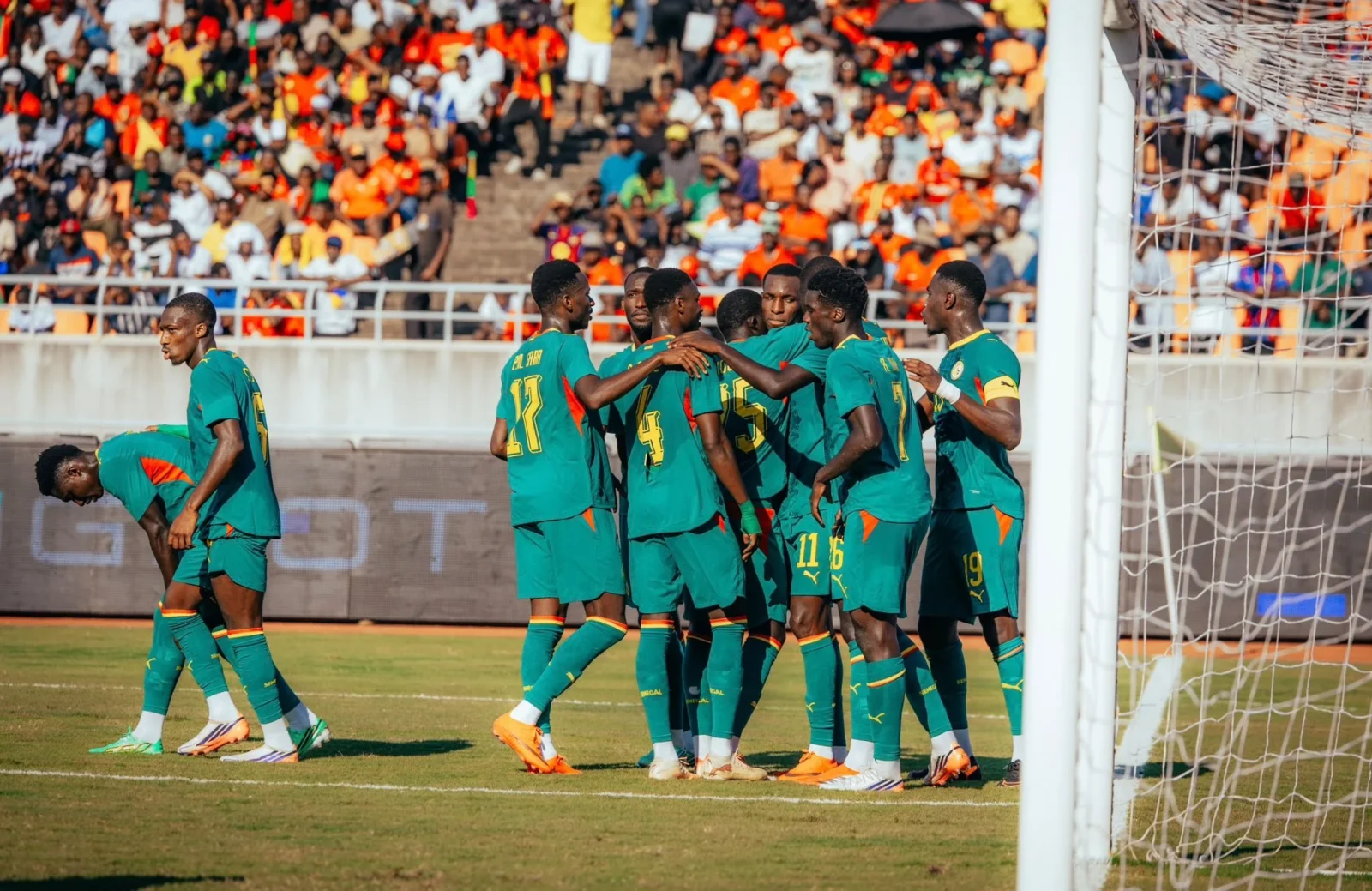
The Senegal national football team, led by coach Patrick Vieira, will face a tough test as they take on Ethiopia in a World Cup qualifier at Bahir Dar on September 29, 2026. The match comes after Senegal's 1-1 draw with Mozambique and Ethiopia's 1-0 loss to Sudan in their previous group J matches. Senegal's preparation for the match involved a last training session in Maputo on Saturday, followed by a flight to Addis-Abeba and then to Bahir Dar, where they will play at an altitude of 1,800 meters.
The altitude of Bahir Dar poses a significant challenge for the Senegalese team, as the lower air pressure results in less oxygen available for the players. According to scientific studies, athletes' aerobic capacity decreases by about 6% for every 1,000 meters of altitude gain. This could translate to an 8% decrease in performance for endurance athletes at 1,800 meters. While football players are not endurance athletes, the effects of altitude will still be felt, particularly in terms of repeated sprints and recovery between efforts.
The Senegalese team's coach, Patrick Vieira, will need to devise a strategy to mitigate the effects of altitude on his players. One approach is to adopt a more compact playing style that conserves energy and makes the opponent run more. Vieira can also utilize the five allowed substitutions to refresh his players in the last 30 minutes of the match. Additionally, maintaining proper hydration and glucose intake will be crucial for the team's performance.
Ethiopia, on the other hand, has an advantage playing at home and at altitude, but this does not guarantee a win. Senegal has a talented team, and Vieira will need to find a way to manage his players' energy levels to secure a positive result. The match will be a significant test for Vieira's team management skills and the players' adaptability to challenging conditions.
The Senegalese team arrived in Bahir Dar on Sunday and had their last training session at the stadium on Monday. The players will have had approximately two days to acclimate to the altitude, which is less than the recommended one to two weeks. This limited preparation time may add to the challenge of playing at 1,800 meters.
The effects of altitude on sleep can also not be underestimated, as players may experience disrupted sleep patterns in the initial days of acclimatization. Vieira and his team will need to take these factors into account to ensure they are physically and mentally prepared for the match.
The match between Senegal and Ethiopia will be an important one for both teams, with Sudan currently leading group J after two matches. A win for Senegal would put them in a strong position to qualify for the World Cup, while a loss could make their task more difficult. The teams' previous encounters have generally favored Senegal, but Ethiopia will be eager to cause an upset on home soil.
Key points
- Senegal plays Ethiopia in World Cup qualifier at 1,800m altitude
- Altitude affects players' performance, with 6% decrease in aerobic capacity per 1,000m gain
- Coach Vieira must devise strategy to manage team's energy levels and adapt to altitude