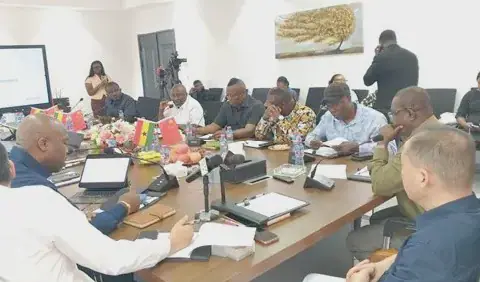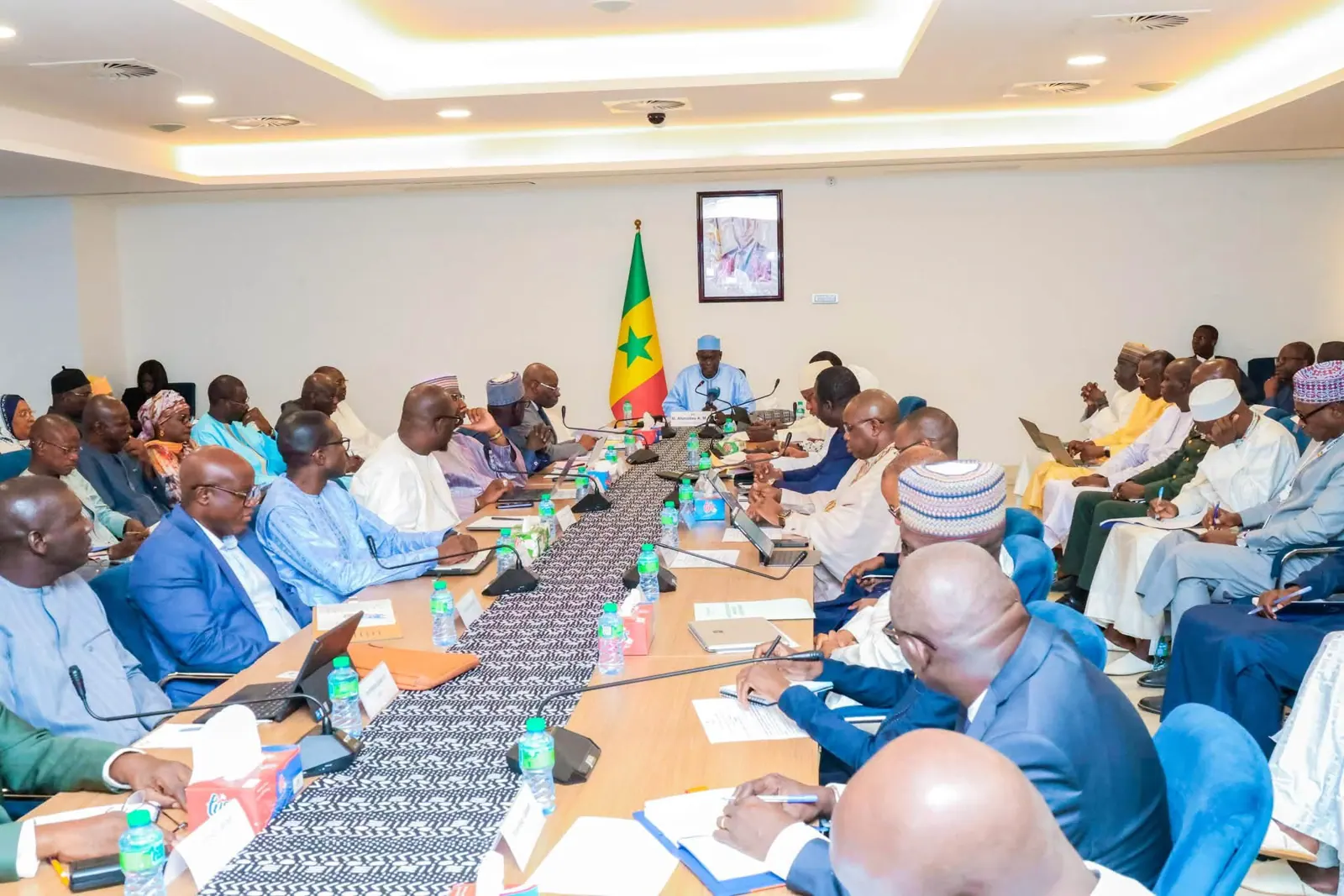
On September 25, 2026, Senegal's Prime Minister Ahmadou Al Aminou LO chaired an interministerial council to prepare for the 2026-2027 academic year. The council, held at the President Mamadou DIA Administrative Building, resulted in 27 measures being adopted. According to Papa Assane TOURÉ, Minister Secretary General of the Government, the directives aim to improve the education sector. The council set the date for teachers' return to October 5, 2026, and for students, October 8, 2026.
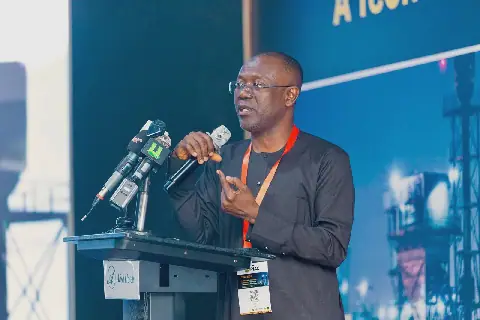
Moustapha Mamba GUIRASSY, Minister of National Education, outlined three priorities for a successful academic year. First, ensuring teacher availability and completing their assignments before classes begin. He emphasized that teachers' presence is crucial on the first day of school. Second, ensuring schools are functional, clean, and safe. Third, providing educational resources, including textbooks, pedagogical inputs, equipment, and essential services, on time.
Boubacar CAMARA, Minister of Higher Education, Research, and Innovation, highlighted several key areas of focus. The council instructed him to finalize curriculum reform and Baccalauréat reform by January 30, 2027. Additionally, he must ensure continuity of teaching during the Youth Olympic Games (YOG) Dakar 2026, scheduled from October 31 to November 13, 2026. The University Amadou Makhtar Mbow will switch to online courses starting November 17, 2026.
The government plans to enhance vocational training and technical education. The Minister of Vocational and Technical Training was tasked with completing the recruitment of 200 temporary teachers to secure technical training offerings. Eight new training centers will be electrified, and budgets will be allocated for their operation. The government will also increase funding for materials and cover water bills for centers in areas without Sén'Eau services.
Financial and social aspects were also addressed. The Ministry of Economy, Finance, and Planning was instructed to promptly pay exam fees owed to teachers, including those for CFEE, BFEM, Baccalauréat, and vocational training exams. The government also aims to settle debts with university restaurant concessionaires. Prime Minister LO emphasized the need to repair schools damaged during the rainy season.
The government plans to accelerate the construction of 2,500 classrooms and annexes, with strict adherence to contractual delivery deadlines. By December 31, 2026, governors must identify sites for 12 national excellence high schools, 46 elementary schools, 46 middle schools, and 46 high schools. The government also aims to strengthen social dialogue through the implementation of the National Social Stability Pact.
Prime Minister LO called on the education community to engage in dialogue and concertation, acknowledging the government's financial limitations. He noted that of the 32 directives adopted during the October 3, 2025 council, 14 have been fully implemented, and the remaining 18 are being finalized.
Key points
- The Senegalese government has set 27 directives for the 2026-2027 academic year, focusing on teacher availability, school infrastructure, and educational resources.
- The government aims to improve vocational training and technical education by recruiting 200 temporary teachers and electrifying eight new training centers.
- The construction of 2,500 classrooms and annexes will be accelerated, with a focus on meeting contractual delivery deadlines.