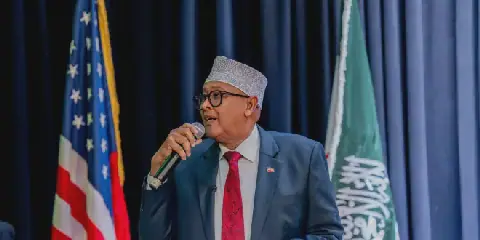
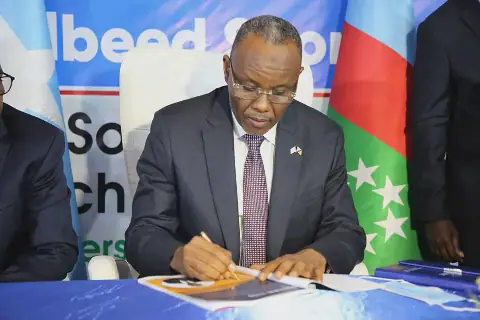
President John Dramani Mahama has urged public institutions in Ghana to provide timely and accurate information to citizens, emphasizing that this is crucial for building public trust and fulfilling citizens' right to information. Speaking at the 2026 Right to Information (RTI) Stakeholders Conference in Accra, he stressed that public officials must regard access to information as part of their duties and maintain responsible and transparent communication with citizens.
The conference, themed "Upholding Information Integrity in the Digital Age: The Role of Access to Information in Addressing Information Disorder," brought together stakeholders to reflect on experiences and explore solutions to safeguarding information integrity in Ghana. President Mahama noted that digital technologies have enhanced speed and easy access to information, but reliable information from public offices can help counter false claims made, especially on social media platforms.
Madam Shamima Muslim, Deputy Government Spokesperson, reiterated the government's commitment to transparent governance and urged institutions to correct false claims promptly while citizens desist from sharing false information. She encouraged heads of public institutions to take full responsibility for the application and implementation of the RTI Act to deepen governance.
Dr James Asante, Board Chairman of the RTI Commission, emphasized the commission's commitment to supporting initiatives that promote transparency, responsible communication, and improve access to information. He commended partners for supporting the Commission's work and called on stakeholders to help build a society where access to information serves as a foundation for democratic development and national progress.
Discussions at the conference highlighted effective implementation of the RTI, access to information and information integrity, and how public institutions can improve the accuracy, timeliness, accessibility, and usability of information released to the public. The RTI Act, 2019 (Act 989), operationalizes the constitutional right to information guaranteed under Article 21(1) of Ghana's constitution.
The legislation establishes clear procedures for requesting information held by public institutions and empowers the Right to Information Commission (RTIC) to independently oversee, promote, and enforce compliance. President Mahama urged the media, the RTI Commission, and other stakeholders to deepen public understanding of the RTI Act and help citizens access information responsibly.
The RTI Act has been hailed as a practical means of building public trust, and its effective implementation is crucial for Ghana's democratic development and national progress. Key stakeholders, including the media and public institutions, have a critical role to play in ensuring that citizens have access to accurate and timely information.
Key points
- President John Dramani Mahama urges public institutions to provide timely and accurate information to citizens.
- The RTI Act, 2019 (Act 989), operationalizes the constitutional right to information guaranteed under Article 21(1) of Ghana's constitution.
- The effective implementation of the RTI Act is crucial for Ghana's democratic development and national progress.