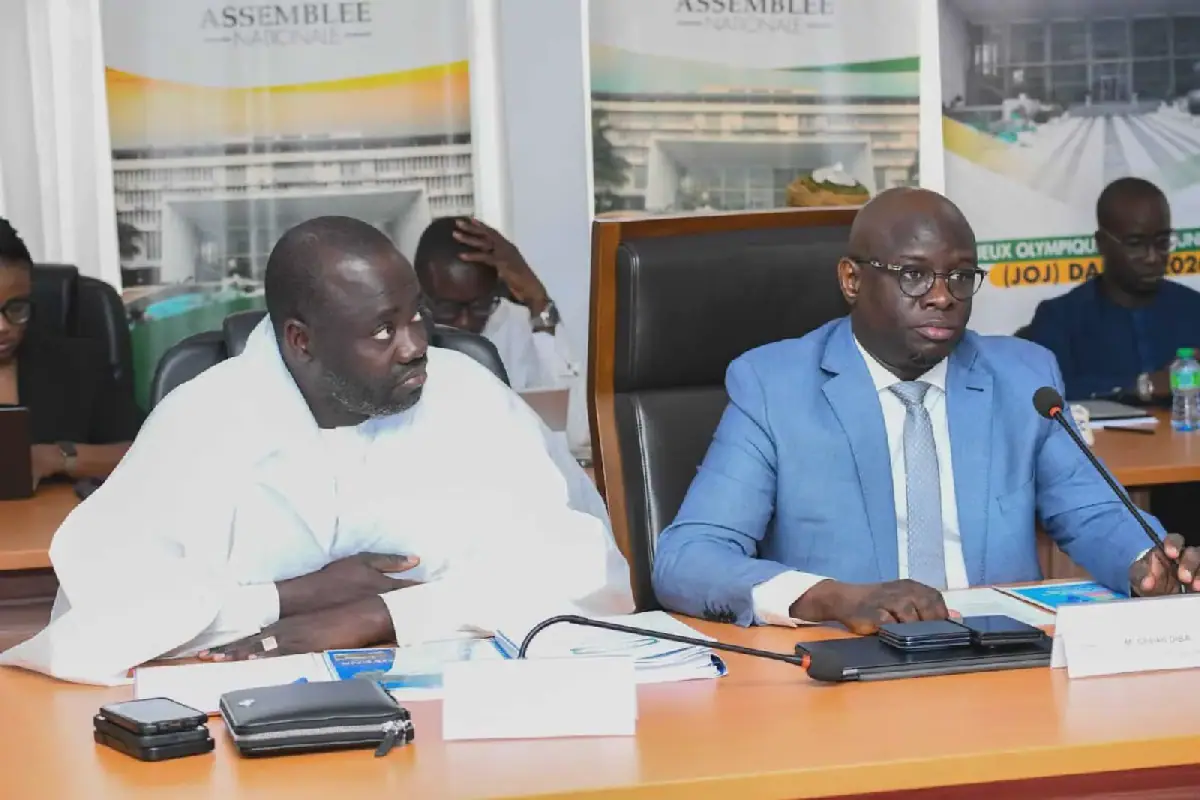
The Senegalese National Assembly's Commission on Finance and Budgetary Control has rejected all budget proposals submitted for examination on Saturday, November 7, 2026. The commission, led by Alphonse Sambou, expressed concerns over the coherence of certain figures and the sincerity of budget forecasts presented by the government. The rejection includes budget allocations for several key institutions, such as the Presidency of the Republic, the Prime Minister's office, and higher courts.
The proposed budget for the Presidency of the Republic is 223.86 billion FCFA, an increase of 19.32 billion FCFA from the previous year. In contrast, the National Assembly's budget is proposed at 21.11 billion FCFA, down from 22.30 billion FCFA in 2026. Other institutions, such as the Constitutional Council, the Supreme Court, and the Court of Accounts, are allocated 1.50 billion FCFA, 4.69 billion FCFA, and 13.07 billion FCFA, respectively.
The commission's concerns centered on the reliability of the budget documents submitted by the government. Several members pointed out inconsistencies in the figures and questioned the sincerity of the forecasts presented. The absence of certain supporting documents, such as the 2025 settlement law, was also criticized. This law is considered essential for evaluating the execution of previous budgets and examining new proposals.
The commission's discussions with government representatives, including Finance Minister Cheikh Diba, did not alleviate their concerns. As a result, the commission members voted against all the proposals submitted, including revenue and public debt forecasts, as well as the budgets of the concerned institutions. This rejection may impact the government's ability to implement its budget plans.
The rejection of the budget proposals has significant implications for Senegal's economic governance. The government will need to revisit its budget plans and address the concerns raised by the commission. This may involve revising the budget documents and providing additional information to support the forecasts. The commission's scrutiny highlights the importance of transparency and accountability in budget management.
The Finance Commission's decision underscores the challenges of budget planning in Senegal. The government must balance its spending priorities with the need for fiscal responsibility. The commission's rejection of the budget proposals serves as a reminder of the importance of careful planning and transparent budgeting. The government will need to work closely with the commission to address the concerns and find a solution.
The outcome of this development will be closely watched by stakeholders, including civil society organizations and international partners. The government's ability to address the commission's concerns and implement a revised budget will be crucial in maintaining economic stability and confidence in the country's financial management.
Key points
- The Senegalese National Assembly's Finance Commission rejected budget proposals due to inconsistencies and lack of transparency.