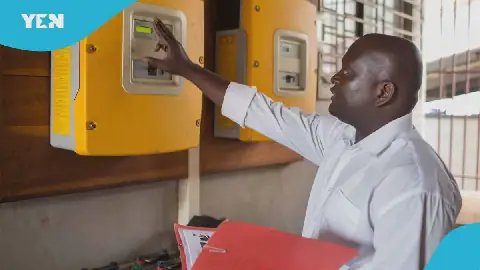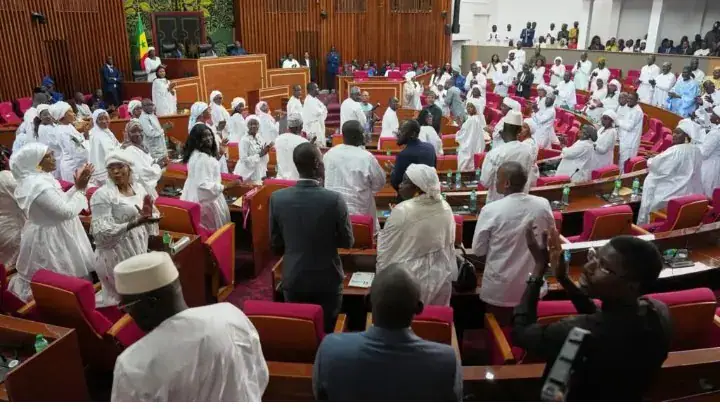
The Senegalese government's 2026 revised budget proposal was rejected by the National Assembly on November 3, dominated by the opposition. The budget was crucial for paying debts to private companies and securing $2.2 billion in financial aid from the International Monetary Fund. According to Radio France Internationale, the rejection leaves the executive with limited maneuverability. The budget was necessary to settle debts with companies and electricity providers, and to advance negotiations with the IMF.
The government's first option is to amend the revised budget to address concerns from the parliamentary majority. These concerns include better protection for purchasing power and additional audits to justify deficit forecasts. However, it is uncertain whether these modifications will be enough to sway the opposition, particularly the hardline stance taken by Ousmane Sonko's Pastef party. The opposition's demands may require significant changes to the budget proposal.
Another possibility for the government is to use decrees to unlock essential credits for paying bills to hydrocarbon and electricity suppliers, as well as other companies. This measure can be taken in exceptional circumstances to ensure public services continue to function. Nevertheless, this approach does not replace the need for a revised budget to be adopted by the end of the year. The government must balance its need for immediate action with the requirement for a comprehensive budget.
A more confrontational strategy, but also riskier, is for the government to adopt the revised budget without a vote. The constitution allows this under article 86, but the government must then assume responsibility and request a confidence vote from parliament. Given the Assembly's opposition-dominated composition, this approach risks triggering a censure motion that could topple the government. The executive must carefully weigh the potential consequences of this option.
The rejected budget was critical for meeting Senegal's financial obligations and advancing IMF negotiations. The government's ability to secure alternative funding or implement austerity measures may be limited. Senegal's economic situation and the government's response to the budget rejection will be closely watched by investors, international organizations, and the public. The country's financial stability and growth prospects depend on a swift resolution.
The International Monetary Fund has significant stakes in Senegal's economic management. The proposed $2.2 billion aid package aims to support the country's economic development and stability. A delay or failure to secure this funding could have far-reaching consequences for Senegal's economic trajectory. The government must navigate the complex political landscape to find a solution that addresses both domestic and international concerns.
Senegal's economic challenges are compounded by the global economic environment. The government must balance its financial needs with the demands of its citizens and the requirements of international organizations. A comprehensive and sustainable solution will require careful planning, negotiation, and compromise. The outcome will have significant implications for Senegal's economic future and the well-being of its citizens.
Key points
- The Senegalese government faces significant challenges in responding to the rejected budget, with limited options for securing alternative funding or implementing austerity measures.