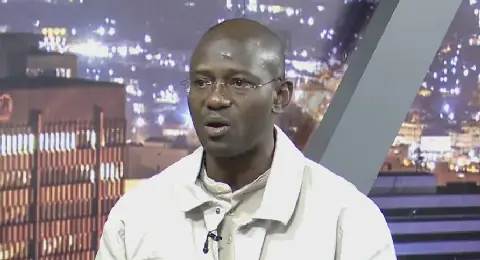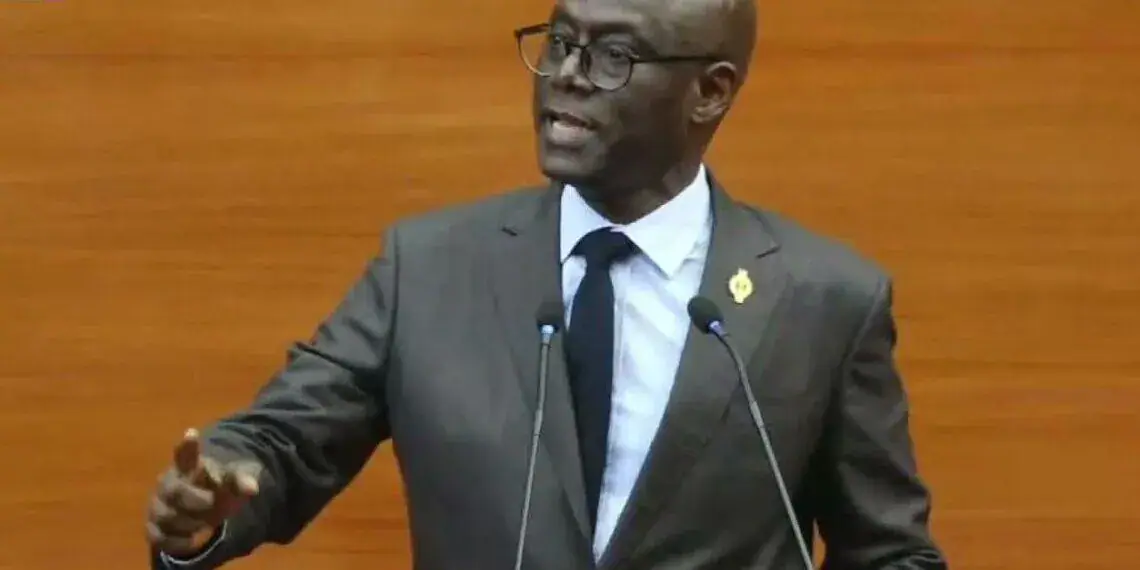
On September 24, 2026, Senegalese lawmaker Thierno Alassane Sall took to social media to address the country's ongoing electricity crisis. In a post, Sall dismissed the notion of sabotage as the cause of the crisis, instead pointing to incompetence as the primary factor. This statement comes as Senegal faces significant electricity shortages, with the national power company, SENELEC, implementing rotational power outages.
The crisis has led to a substantial increase in electricity imports. In 2023, Senegal was exporting up to 120 MW of electricity to Guinea, 60 MW to Gambia, and 40 MW to Mauritania. However, by 2026, the situation has reversed, with Senegal importing up to 200 MW from Guinea. Despite this influx of electricity, the country still faces a catastrophic deficit that has resulted in widespread power outages.
The current situation is reminiscent of 2011, a year marked by severe electricity shortages and widespread protests. The government's response then was criticized for being inadequate, and it appears that similar issues persist today. The rotational power outages have not been evenly distributed, with areas considered politically sensitive, such as Dakar and its suburbs, receiving preferential treatment.
The financial implications of the crisis are also significant. The West African Energy power plant, which was supposed to run on gas, is currently being fueled by diesel oil at a staggering cost of one billion CFA francs per day. This has necessitated the deployment of a fleet of around 50 tanker trucks to ensure a daily supply of diesel.
The economic and social impacts of the crisis are far-reaching. Businesses are already feeling the strain, and the situation is expected to worsen as the country enters a period of extreme heat. The government's handling of the crisis has raised questions about its competence in managing critical infrastructure.
Sall's comments have sparked a renewed debate about the governance of the energy sector in Senegal. Critics argue that the current system is inefficient and prone to corruption, which has contributed to the crisis. There are calls for reforms to address these issues and ensure a more reliable and sustainable energy supply.
As the situation continues to unfold, it remains to be seen how the government will respond to the crisis. With the country facing significant challenges in the energy sector, there is a growing need for transparency and accountability in the management of critical infrastructure.
Key points
- The Senegalese government faces criticism for its handling of the electricity crisis.
- The country's energy sector is in crisis, with widespread power outages and significant financial losses.
- The lawmaker's comments have sparked a renewed debate about the governance of the energy sector in Senegal.