A proposed power-sharing model in Uganda aims to shift the country's electoral system from a winner-takes-all approach to a negotiated arrangement involving various political and social groups. The model, co-authored by Senior Presidential Adviser on Defence and Security Gen. Salim Saleh and Prof. Ogenga Otunnu, is outlined in a 128-page working document titled Consociational Democracy Agreement. This document addresses the root causes and consequences of sectarianism, exclusion, marginalization, and conflicts in Uganda.
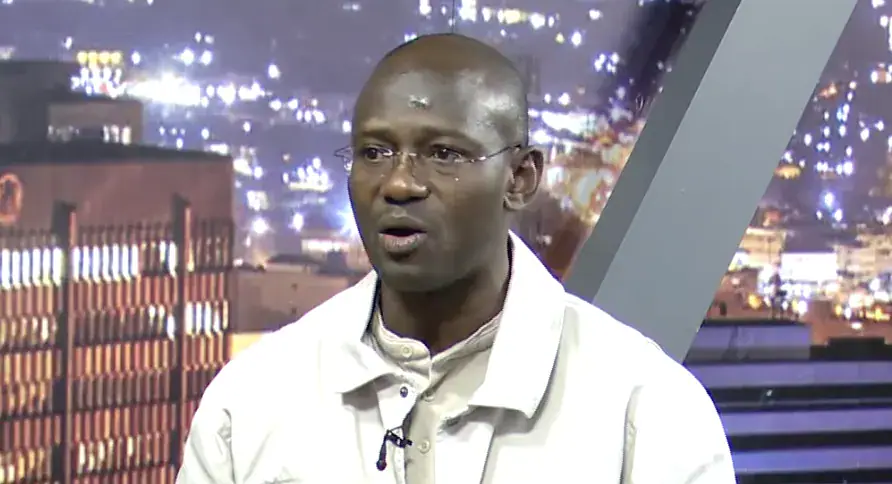
The proposed model has sparked interest and debate among Ugandans, with many questioning its implications and viability. According to political and social analyst Job Kiija, the model offers a potential solution to Uganda's long-standing political and leadership challenges. The country's traditional electoral system has often led to tensions and conflicts between different groups, and proponents of the power-sharing model argue that it could help mitigate these issues.
The Consociational Democracy Agreement outlines a framework for power-sharing among different groups, with the goal of promoting inclusivity and representation. The document reportedly proposes the creation of a national executive council, which would comprise representatives from various political parties and social groups. This council would work alongside the president to make key decisions and ensure that all groups have a voice in the country's governance.
One of the key challenges facing the proposed power-sharing model is its potential impact on Uganda's current political landscape. Some critics argue that the model could lead to a dilution of power for the president and the ruling party, while others see it as an opportunity for greater inclusivity and representation. The model's co-authors, Gen. Salim Saleh and Prof. Ogenga Otunnu, have emphasized the need for a more inclusive and representative system, which they believe would help address Uganda's long-standing political and social challenges.
The proposed power-sharing model has also raised questions about its potential implications for Uganda's economy and development. Some analysts argue that a more inclusive and representative system could lead to greater stability and attract more investment, while others are concerned about the potential risks and challenges associated with implementing such a model. As the debate continues, Ugandans are closely watching the developments and waiting to see how the proposed model will unfold.
Job Kiija, a political and social analyst, has emphasized the need for a thorough examination of the proposed power-sharing model and its potential implications. He believes that the model offers a potential solution to Uganda's long-standing political and leadership challenges, but also notes that its implementation would require careful consideration and planning. Kiija and other analysts are calling for a national dialogue on the proposed model, which would provide an opportunity for Ugandans to discuss and debate the issue.
As Uganda continues to grapple with the proposed power-sharing model, the country's future political landscape remains uncertain. The model's co-authors, Gen. Salim Saleh and Prof. Ogenga Otunnu, have emphasized the need for a more inclusive and representative system, which they believe would help address Uganda's long-standing political and social challenges. The debate is expected to continue in the coming weeks and months, as Ugandans weigh the potential benefits and risks of the proposed power-sharing arrangement.
Key points
- The proposed power-sharing model aims to move Uganda away from the traditional winner-takes-all electoral system.
- The model's co-authors, Gen. Salim Saleh and Prof. Ogenga Otunnu, believe it could help address Uganda's long-standing political and social challenges.
- The proposed model has sparked debate among Ugandans, with many questioning its implications and viability.