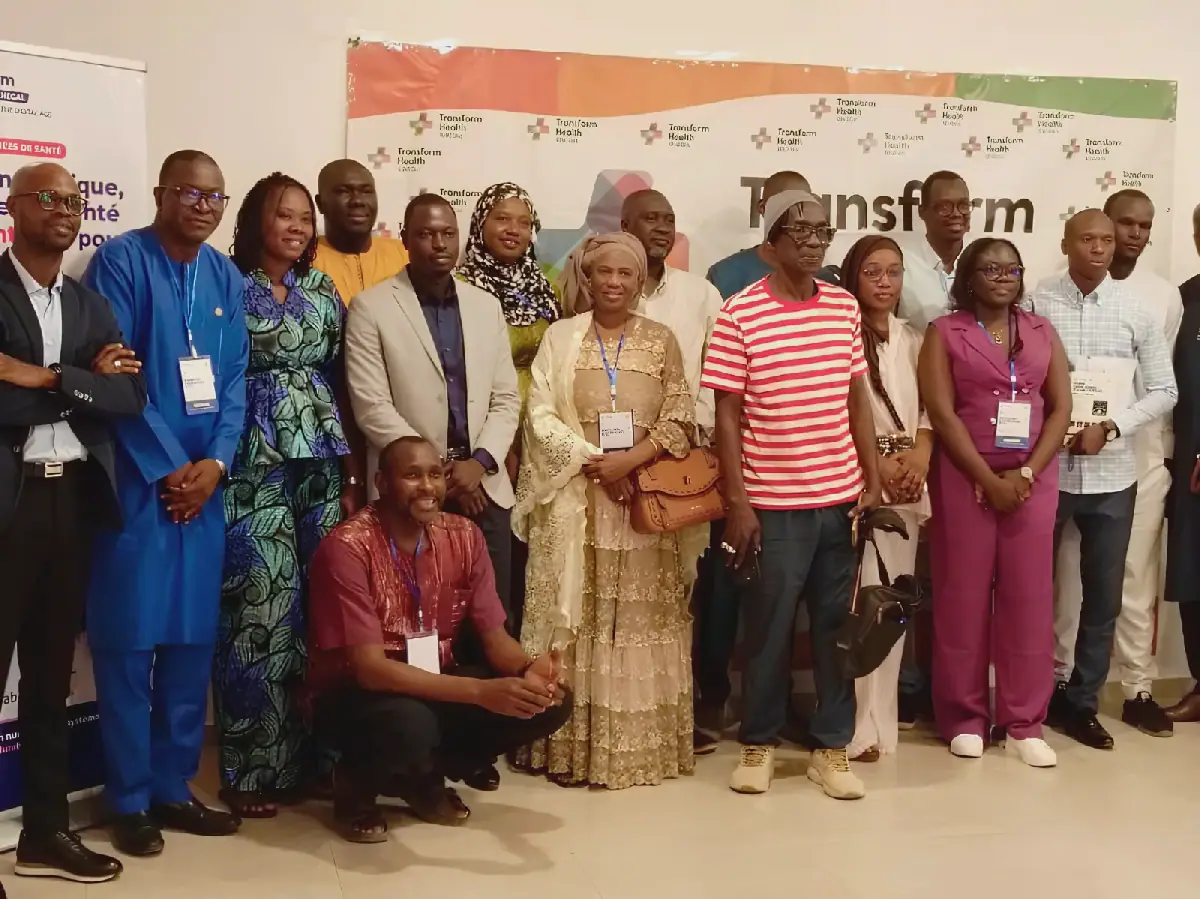
On November 4, 2026, in Dakar, Senegal, the Coalition nationale Transform Health Sénégal, coordinated by ENDA Santé, presented six key demands to ensure the digital transformation of the country's health system prioritizes patient protection and inclusivity. This initiative was supported by the Belgian development agency, Enabel. The demands aim to address concerns around access to healthcare, data transparency, and the quality of digital health tools.
The first demand focuses on ensuring that no one is denied healthcare due to a lack of identification documents. This is particularly relevant for newborns, people living in remote areas, and those already facing barriers in accessing health services. The civil society emphasizes that digitalization should not create new obstacles for those who are already marginalized from healthcare services.
The second demand emphasizes the importance of transparency in patient data access. Patients should be able to know who has accessed their medical records and have a straightforward means of obtaining this information. This requirement aims to foster trust in digital health systems and better regulate access to personal health information.
The civil society also calls for the use of high-quality software in public health facilities. They propose that a list of software meeting these quality standards be made publicly available to ensure that health facilities use reliable and evaluated applications. This move is intended to prevent the use of poorly assessed digital tools in healthcare settings.
On the legal front, the organizations advocate for the adoption of the digital health law, which they see as essential for establishing the technical and regulatory framework that will underpin the sector's transformation. Dr. Djibril Ndoye, deputy director of ENDA Santé, has also urged for the acceleration of this law's adoption, highlighting that data protection is crucial for the success of digital health initiatives.
Financial sustainability is another critical concern raised by the civil society. They argue that the funding of digital health infrastructure cannot depend indefinitely on external partners. Instead, a national budget line should be allocated to cover the maintenance and sustainability of these systems. Additionally, they request representation in bodies overseeing the implementation of interoperability frameworks.
These six demands underscore a central question: under what conditions will the digital transformation of healthcare improve services without excluding the most vulnerable populations or undermining their rights? The civil society's proposals stress the need for an adapted legal framework, reliable digital tools, sustainable financing, and a recognized role for citizens in decisions concerning their health data.
Key points
- The civil society demands that digital health systems ensure inclusivity and patient protection.
- Six key areas of focus have been identified for the digital health transformation in Senegal.
- The proposals include the need for a national budget line to support digital health infrastructure.