A deepening rift between Senegal's President Bassirou Diomaye Faye and Prime Minister Ousmane Sonko has exposed a complex web of power dynamics and succession politics. The conflict centers on the 2026 budget, which has been rejected by the National Assembly, dominated by Sonko's Pastef party. Faye has responded by implementing the budget through a presidential decree, heightening tensions between the two leaders. This move has sparked concerns about the stability of the government and the potential for institutional crisis.
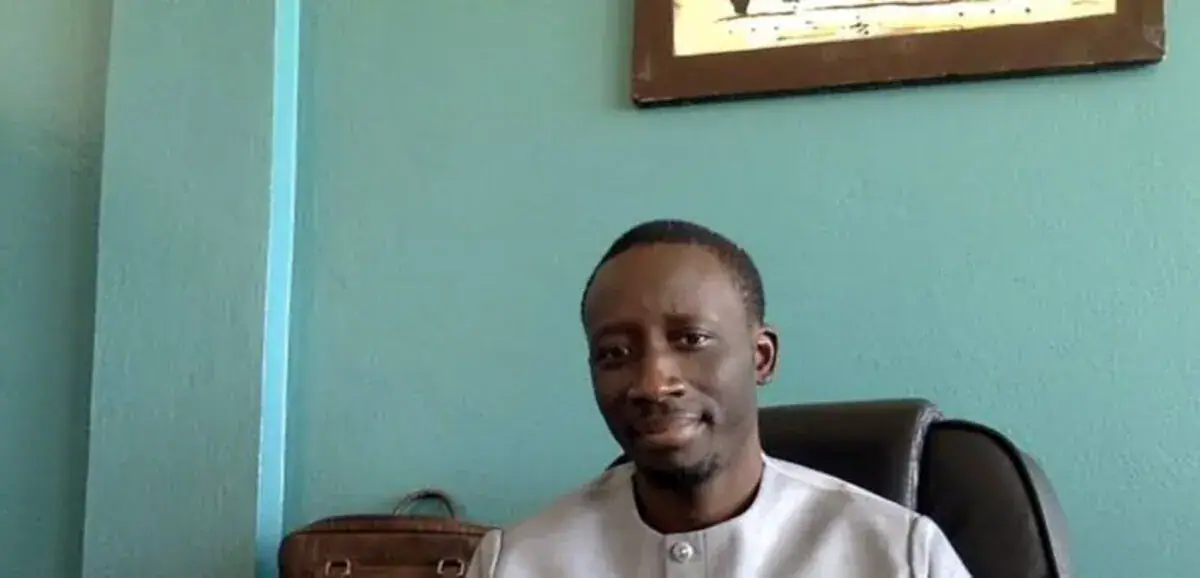
According to Saliou Ngom, a Senegalese political scientist and researcher at the University of Cheikh Anta Diop's Institut fondamental d'Afrique noire, the budget dispute is merely a pretext for a deeper struggle for control and influence. Ngom, who was interviewed on Africa Radio, believes that the confrontation is driven by divergent ambitions and the looming 2029 presidential election. Faye and Sonko's relationship has deteriorated significantly, with the two leaders vying for dominance within the ruling party.
The Pastef party, with 130 out of 165 seats in the National Assembly, holds significant leverage over the government, including the ability to reject executive proposals and strengthen parliamentary oversight. In response, Faye may consider dissolving the Assembly, potentially triggering new legislative elections. This move would allow the president to bypass the current parliamentary blockage and regain control over the legislative agenda.
The power struggle between Faye and Sonko has significant implications for Senegal's economic and social stability. The country continues to grapple with high living costs, unemployment, and economic challenges. Ngom warns that the ongoing tensions could erode public trust in the government, particularly among young voters who had high expectations from the Faye-Sonko tandem.
The rift between Faye and Sonko also raises questions about the future of the Pastef party and its role in Senegalese politics. Sonko's departure from the party was recently formalized, further complicating the already volatile political landscape. As the 2029 presidential election approaches, the dynamics between Faye and Sonko will likely continue to shape the country's politics.
Ngom suggests that Faye may be considering a second term in office, a prospect that could be a driving force behind the current confrontation with Sonko. The president's decision to implement the budget through a decree has sparked concerns about his commitment to democratic principles and the rule of law.
The situation remains fluid, with multiple scenarios possible in the coming weeks and months. As the conflict between Faye and Sonko continues to unfold, Senegal's stability and economic prospects hang in the balance. The international community is watching closely, as the country's democratic trajectory and economic development are closely tied to the outcome of this power struggle.
Key points
- The budget dispute between President Bassirou Diomaye Faye and Prime Minister Ousmane Sonko is a symptom of a deeper struggle for control and influence in Senegal's government.
- The conflict has significant implications for Senegal's economic and social stability, particularly among young voters who had high expectations from the Faye-Sonko tandem.
- The situation remains fluid, with multiple scenarios possible in the coming weeks and months, including the potential dissolution of the National Assembly.