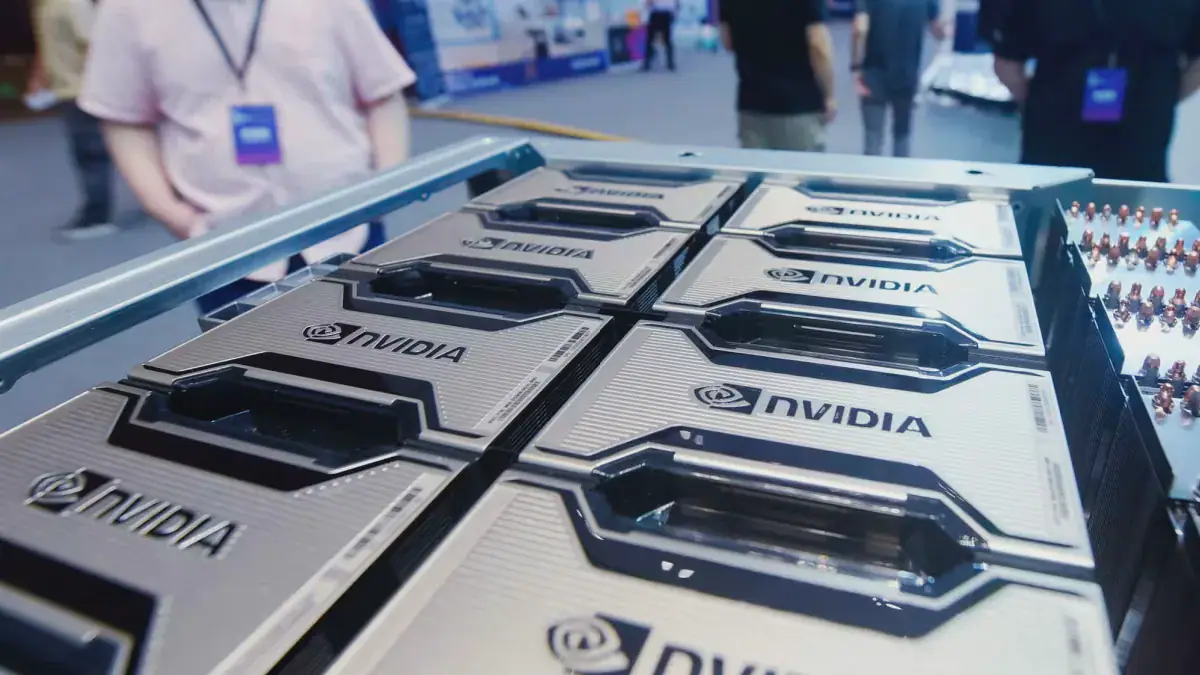
A review of business records by CNN found that at least six Chinese universities blacklisted by the US government have reported purchasing restricted Nvidia computer chips in recent years. Two of those universities, known for their ties to the Chinese military establishment, reported buying the high-powered chips just in the last few months. The purchases were made through obscure sellers in China for relatively small amounts of older chips.
The number of universities involved and the full scope of their Nvidia purchases have not been previously reported. The purchases show how widely available restricted Nvidia chips remain inside China, and how difficult it is for the US to block the sale of the chips even to some of the most high-risk entities. According to Kate Koren, a former US export control official, "Once these chips are in China, it's very hard for anyone to be able to stop their sale."
The issue is likely to be a major talking point in the high-stakes meeting between President Donald Trump and Chinese President Xi Jinping. The White House is moving to close loopholes that have allowed sensitive, AI-powering computer chips into China. Concerns spiked over Chinese access to the technology as Nvidia CEO Jensen Huang resigned last week following the revelation he had a romantic relationship with a woman whose former company is suspected of helping smuggle chips into the country.
China's Foreign Ministry has rejected US claims that restrictions on high-powered chips are necessary for US national security. Spokeswoman Mao Ning said Beijing rejects US claims that restrictions on high-powered chips are necessary for US national security, adding that China firmly opposes the US overstretching the concept of national security.
A review of procurement documents from Chinese universities collected in a commercial database found nearly 300 records of Nvidia technology purchases under US export control. Among the 90 buyers examined, nearly 80% are universities, and nearly 14% are research institutes, while government agencies also bought some Nvidia chips. Most notable were procurement notices from Harbin Institute of Technology and Northwestern Polytechnical University.
Both Harbin Institute of Technology and Northwestern Polytechnical University are part of a grouping known in China as the "Seven Sons of National Defense" due to their connections to China's People's Liberation Army. The purchase notices had scant details about the supply chains that took the chips from Nvidia to the universities, or how the chips may be used there. Experts said US officials were highly unlikely to approve sales that would go to a blacklisted university.
The records obtained are likely incomplete because while public institutes in China are required to publicize procurement decisions, many only publish the notices locally or internally or take them down quickly. US regulations require Nvidia and other chip suppliers to determine the end user for chips they sell abroad, and to take various measures to avoid the chips getting into China.
Key points
- US struggles to control access to restricted Nvidia chips in China
- Blacklisted Chinese universities procure restricted Nvidia chips
- US to close loopholes allowing sensitive AI-powering chips into China
Reporting sources
- Blacklisted Chinese universities procured Nvidia chips, records show · Egypt Independent