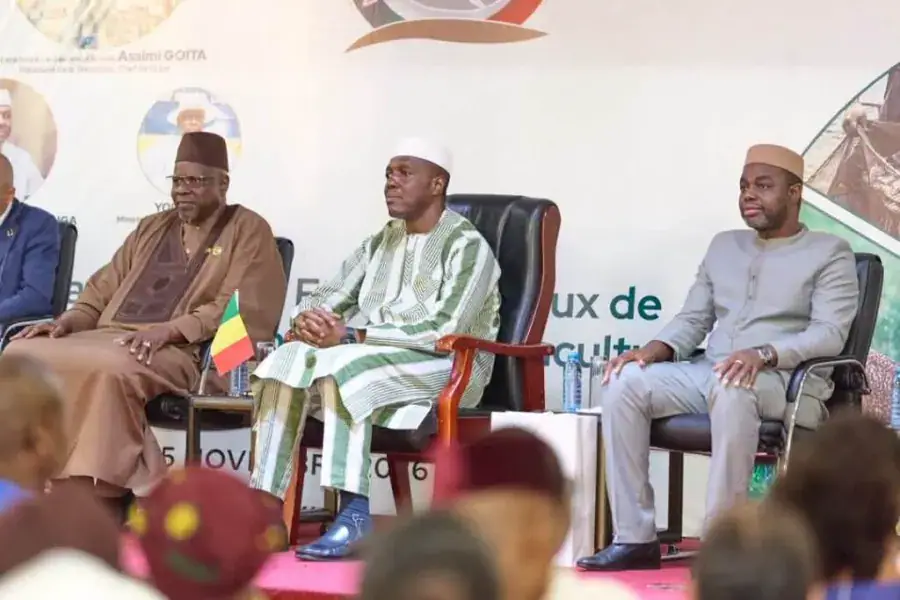
Mali's Prime Minister Abdoulaye Maïga recently presided over a national meeting aimed at addressing challenges faced by the country's animal, fisheries, and aquaculture sectors. The gathering, which included representatives from Burkina Faso, Niger, and Guinea, as well as professional organizations and development partners like the Food and Agriculture Organization (FAO), focused on finding solutions to issues affecting these industries. The talks followed weeks of local and regional consultations.
The Prime Minister outlined five key priorities for the sectors, including improving economic performance, sustainable management of natural resources, and increased participation of women and young people. He also emphasized the need for institutional capacity building and development of sustainable partnerships. These priorities are expected to guide future government interventions in the sectors. The meeting's theme was "Modernizing Animal, Fisheries, and Aquaculture Sectors in Mali to Ensure Food and Nutritional Security."
The consultations revealed several challenges, including scarcity of pastures, limited access to water points and fishing areas, impacts of climate change, and security constraints. These issues have significant economic implications, as evidenced by recent government data. In 2025, Mali recorded a production of 122,671 tons of fish and 157,775 tons of controlled meat. For 2026, authorities aim to produce 133,296 tons of fish.
A national commission, led by Modibo Traoré, was established on July 7 to oversee the preparatory work for the national dialogue. The commission collected concerns from professionals and formulated proposals for reform. The Minister of Livestock and Fisheries, Youba Ba, stressed the need to modernize production systems and better utilize the potential of animal and fisheries sectors.
The FAO reaffirmed its commitment to supporting Mali's efforts to find sustainable solutions for these sectors. The organization will work closely with the government to implement recommendations emerging from the national dialogue. The meeting's outcomes will inform future government interventions and policies.
Specific measures and their financing modalities will be defined following the consultations. The government aims to implement reforms that will boost the sectors' performance and contribute to the country's food and nutritional security. The participation of regional partners and development agencies is expected to facilitate the implementation of these reforms.
The national dialogue is a crucial step towards addressing the challenges facing Mali's animal, fisheries, and aquaculture sectors. The government's commitment to engaging with stakeholders and development partners will help ensure the success of the reforms. The meeting's recommendations will provide a roadmap for future interventions and investments in these critical sectors.
Key points
- The national dialogue aims to modernize Mali's animal, fisheries, and aquaculture sectors to ensure food and nutritional security.
Reporting sources
- Mali : des États Etats généraux pour... · Maliweb.net