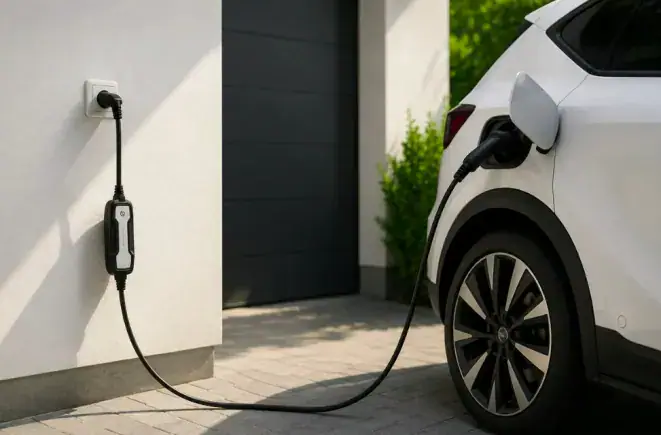
The Energy Commission of Ghana has issued a warning to electric vehicle (EV) owners against using domestic sockets for charging their vehicles. This caution comes as the country witnesses a growing adoption of electric vehicles. According to the Commission, improper electrical installations can lead to serious hazards including overheating, fires, and electrocution. The Commission emphasizes the need for safe charging infrastructure and professionally installed equipment to prevent electrical hazards.
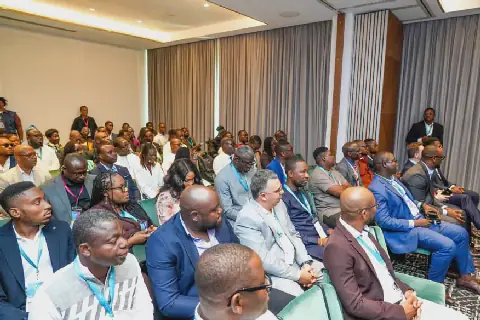
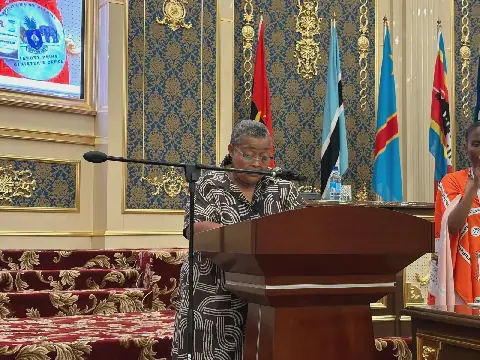
Speaking at the Chartered Institute of Logistics and Transport (CILT) 2026 NextGen Summit in Accra, Mohammed Mikdad, Head of Investment and Partnership of the Energy Commission, urged transport operators, fleet managers, businesses, and homeowners to prioritize certified electrical installations. The summit, themed “Smart Logistics, Sustainable Futures: Leveraging Digitalisation to Solve Urban Last-Mile Challenges,” also saw the launch of CILT Ghana’s Student Membership Programme. This initiative aims to connect students pursuing logistics and transport-related courses with industry opportunities.
Mikdad highlighted that electric vehicles place additional demand on the national grid and cautioned against allowing their adoption to outpace the country’s power distribution capacity and technical expertise. He stressed that charging an electric vehicle through an unsuitable domestic socket or an electrical circuit not designed for the additional load can create serious risks. These risks include overheating, electrical fires, and electrocution, emphasizing the need for responsible and safe charging practices.
The Head of Investment and Partnership also urged stakeholders to invest in skilled technicians to support the transition to electric mobility. This investment is crucial for ensuring the responsible servicing and recycling of used EV batteries. Mikdad's call to action underscores the importance of a well-prepared workforce in managing the shift towards electric vehicles in Ghana.
At the launch of the Student Membership Programme, CILT Ghana President, Alhaj Saaka Dumba, called on universities and industry stakeholders to support efforts to prepare young people for careers in the transport and logistics sector. He emphasized that investing in young people is an investment in the future, highlighting their potential to drive innovation, progress, and positive change in the sector.
The Energy Commission's warning and recommendations come at a critical time as Ghana continues to embrace electric vehicles as part of its strategy to reduce carbon emissions and promote sustainable transportation. The Commission's efforts aim to ensure that the growth of electric vehicle usage is matched with adequate infrastructure and technical capabilities to support safe and efficient charging practices.
Key stakeholders, including transport operators and fleet managers, are urged to take heed of the Commission's advice to prevent potential electrical hazards associated with improper charging of electric vehicles. By prioritizing safe charging infrastructure and investing in skilled technicians, Ghana can mitigate risks and foster a conducive environment for the sustainable adoption of electric vehicles.
Key points
- The Energy Commission warns against using domestic sockets for electric vehicle charging due to risks of overheating, fires, and electrocution.
- The Commission urges stakeholders to invest in certified electrical installations and skilled technicians to support electric mobility.
- CILT Ghana launches a Student Membership Programme to connect students with industry opportunities in logistics and transport.
Reporting sources
- Domestic sockets not suitable for electric vehicle charging -... · Daily Graphic