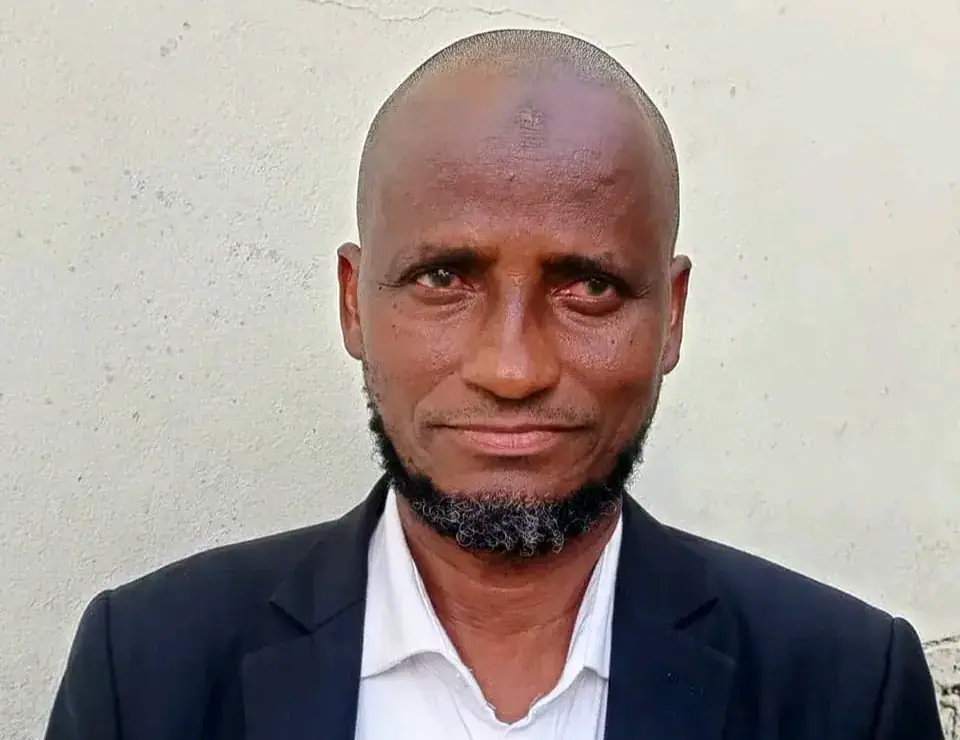
Guinean journalist Habib Yembering Diallo has expressed his concerns about the growing anti-foreigner sentiment in Senegal, particularly against Guineans. In an opinion piece, Diallo noted that he has always been proud of his Guinean heritage, despite having family ties to Senegal. His brother is buried in Koumpentoum, Senegal, and he has often visited the country. However, Diallo believes that the current climate of stigmatization and hatred towards Guineans is a worrying trend.
Diallo recalled that in the past, Guineans would often migrate to Senegal for economic reasons, attracted by the country's agricultural policies. The Senegalese government encouraged production and provided support to farmers, which drew many Guineans to work in the country's rural areas. These migrant workers, known as "Navétanes," would return to Guinea with goods and money, improving their socio-economic status. However, Diallo argues that Guineans who obtained Senegalese nationality were often treated unfairly and not considered as full citizens.
According to Diallo, the issue of nationality has become a contentious issue in Senegal. Many Guineans who obtained Senegalese nationality were often coerced into voting for specific candidates or were seen as victims of a system that exploited their vulnerability. Diallo suggested that instead of questioning Guineans about their nationality, authorities should investigate those who granted them citizenship. He emphasized that the administration, not individuals, is responsible for issuing official documents.
Diallo recounted a disturbing incident in 2004, where two Guinean women were rejected by Senegalese women on a bus ride from Banjul to Dakar. The Senegalese women used a derogatory term, "Pulfuuta," to refer to the Guineans, which Diallo described as a dehumanizing and segregationist attitude. This incident left a lasting impression on him and reinforced his concerns about the growing anti-foreigner sentiment in Senegal.
Diallo also attributed some blame to the Guinean elite, arguing that they have not done enough to promote Guinea as a destination for economic opportunities. He suggested that if Guineans were to develop their country and make it an attractive place to live, the situation might reverse, and Senegalese might be the ones migrating to Guinea. Diallo emphasized that Guinea has immense potential for economic growth and tourism, which could change the dynamics of migration between the two countries.
The journalist highlighted the stark contrast between rural Senegal and Guinea, particularly in the Foutah Djallo region. While some areas in Senegal resemble traditional villages, Guinea has made significant progress in modernizing its infrastructure, with many villages now having access to modern buildings, solar panels, and clean water. Diallo believes that this development could encourage Guineans who have been living in Senegal to return home.
Diallo's comments come at a time when tensions between Senegal and Guinea are rising. His article has sparked a necessary conversation about the treatment of Guineans in Senegal and the need for greater understanding and tolerance between the two nations. As the situation continues to unfold, it remains to be seen how the Senegalese government will respond to these concerns and work to address the growing anti-foreigner sentiment in the country.
Key points
- Guinean journalist Habib Yembering Diallo criticizes Senegal's growing anti-foreigner sentiment and its impact on Guineans living in Senegal.
- Diallo argues that Guineans who obtained Senegalese nationality were often treated unfairly and not considered as full citizens.
- The journalist suggests that Guinea has immense potential for economic growth and tourism, which could change the dynamics of migration between the two countries.