In Senegal's Walo region, farmers are seeking to transition from diesel-powered irrigation systems to solar-powered ones to reduce costs and increase efficiency. The region's fertile soil and abundant sunshine make it an ideal place for farming, but the high cost of diesel fuel is a significant burden for many farmers. Iba Ngom, a producer in the Trois Marigots area, uses diesel-powered pumps to irrigate his fields of watermelon, tomatoes, and other crops. He is eager to switch to solar energy, but has not yet found an affordable solution.
Many farmers in the Walo region share Ngom's sentiments. Maboye Diop, who cultivates 13 hectares of land along the Niassiwu river, uses diesel-powered pumps to irrigate his fields. He believes that solar-powered pumps would be a more cost-effective option and is willing to adopt the technology. Souleymane Boye, another farmer in the region, also uses diesel-powered pumps and incurs significant costs. He employs five people and pays them between 600,000 and 700,000 FCfa per campaign. Boye is hopeful that the government will promote new solar systems for agriculture in the Walo region.
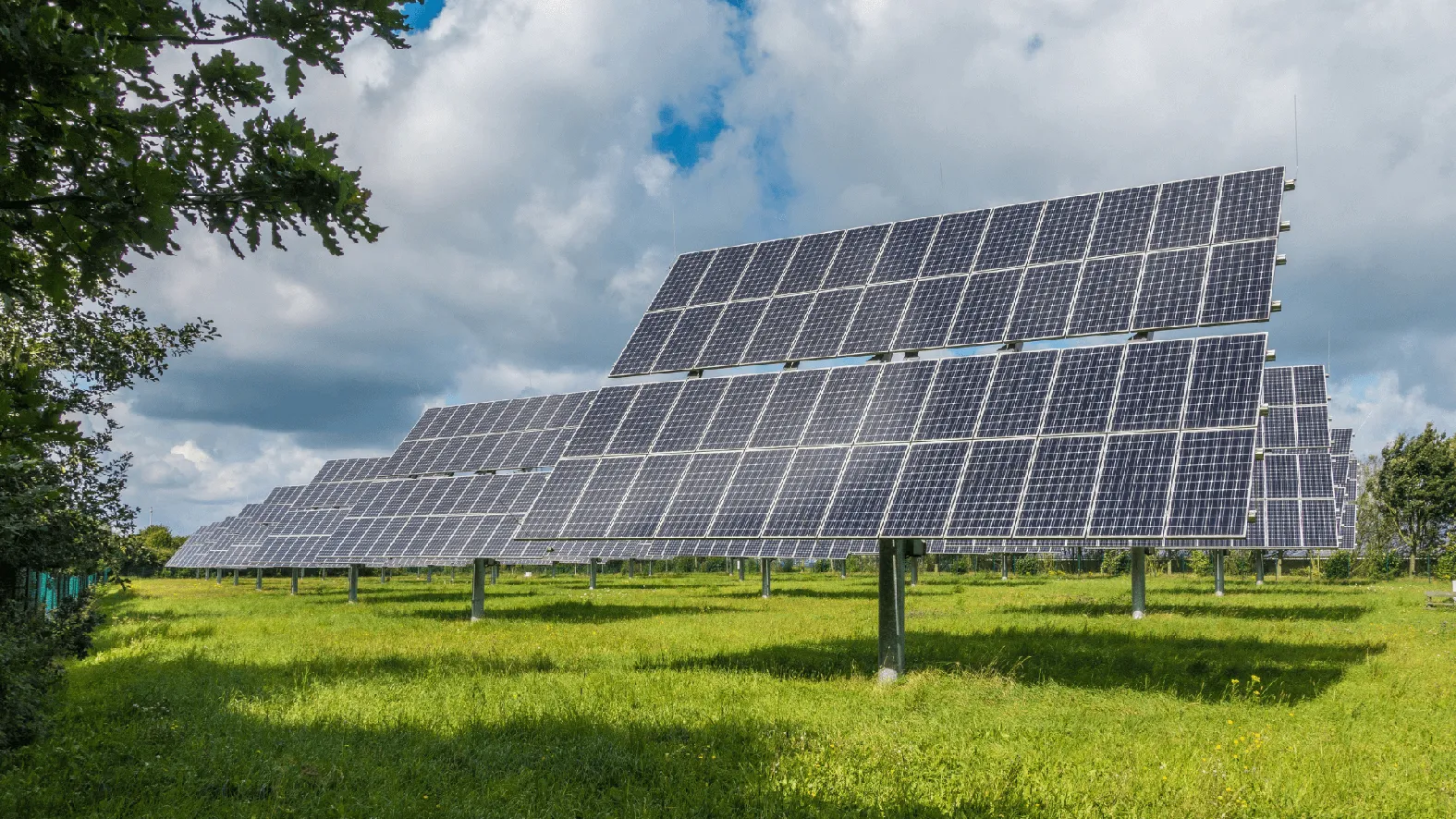
The Senegalese government has taken steps to promote the use of solar energy in agriculture. The Agence nationale pour les énergies renouvelables (Aner) has visited the region and presented projects for solar-powered irrigation systems. Samba Niang, responsible for the Dagana pumping station, which supplies water to over 100 producers, has seen the benefits of hybrid solar systems. The station's energy costs have decreased significantly since the introduction of solar panels.
Despite the potential for solar energy in the Walo region, the technology remains out of reach for many small-scale farmers. The high upfront costs of solar-powered irrigation systems are a significant barrier to adoption. However, farmers are eager to adopt the technology, which they believe will help them reduce costs, increase efficiency, and make their agricultural activities more sustainable.
The use of solar energy in agriculture has the potential to transform the sector in Senegal. Farmers are not only looking to reduce their costs but also to increase their yields and improve their livelihoods. The Senegalese government has set ambitious targets for the adoption of solar energy in agriculture, with plans to install nearly 4,500 solar-powered pumps in the coming years.
The adoption of solar energy in agriculture is also seen as a way to reduce the country's dependence on fossil fuels and mitigate the impacts of climate change. Senegal has made significant progress in promoting renewable energy, and the agricultural sector is seen as a key area for growth. The use of solar energy in agriculture has the potential to increase food security, reduce poverty, and promote sustainable development.
As the demand for solar-powered irrigation systems grows, the Senegalese government and international partners are working to develop innovative financing mechanisms to support small-scale farmers. The goal is to make solar energy more accessible and affordable for farmers, enabling them to increase their productivity and competitiveness. With the right support, Senegal's agricultural sector could become a model for sustainable and climate-resilient agriculture in Africa.
Key points
- The Senegalese government plans to install nearly 4,500 solar-powered pumps in the coming years to promote the use of solar energy in agriculture.