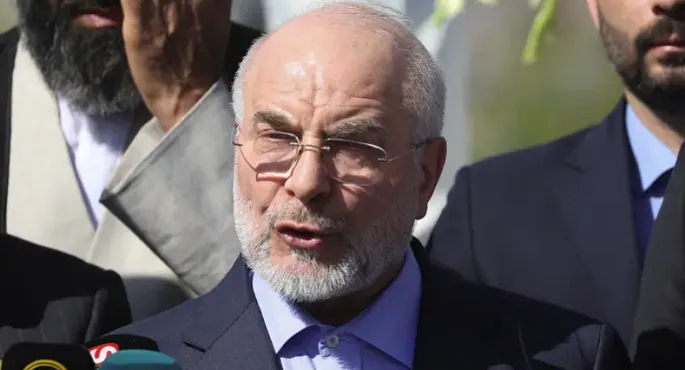
Iranian Parliament Speaker Mohammad Bagher Ghalibaf stated on Sunday, October 4, 2026, that Iran's positions regarding indirect negotiations with the United States are clear. He emphasized that the Strait of Hormuz will not be reopened unless the seven conditions outlined in a memorandum of understanding signed in June are fulfilled. Ghalibaf also hinted that the US has submitted new proposals to Iran through mediators.
Ghalibaf's remarks come amid ongoing threats and counter-threats between Tehran and Washington. He noted that the US, which has been making different statements in the media, has recently sent proposals to Iran through intermediaries. The Iranian Parliament Speaker stressed that Washington must recognize that the era of wasting time and imposing unilateral demands has come to an end.
In September, Iran presented a plan to halt hostilities and reopen the Strait of Hormuz, which was previously a critical passage for 20% of the world's oil and gas production. The plan, discussed by Iranian Foreign Minister Abbas Araghchi and US President Donald Trump's envoy Steve Wietkoff, included a seven-day ceasefire on all fronts, the release of frozen Iranian assets, and the lifting of sanctions on Iranian oil.
The plan also required the termination of the US naval blockade on Iranian ports as a precondition for reopening the strategic waterway. However, US President Donald Trump rejected the plan in a post on his social media platform last week. Ghalibaf's comments suggest that Iran remains committed to its conditions for reopening the Strait of Hormuz.
The Strait of Hormuz is a vital shipping lane for oil and gas exports, and its closure has significant implications for global energy markets. Iran has previously threatened to close the strait in response to US sanctions and military presence in the region. The current tensions between Iran and the US have raised concerns about the potential for conflict in the region.
Ghalibaf's statements highlight the complexities of the indirect negotiations between Iran and the US. The two countries have been engaged in talks aimed at reviving the 2015 nuclear deal, which was abandoned by the US in 2018. However, the negotiations have been stalled due to differences over key issues, including sanctions and Iran's nuclear program.
The situation remains uncertain, with no clear indication of a breakthrough in the negotiations. The Iranian Parliament Speaker's comments suggest that Iran is unlikely to compromise on its conditions for reopening the Strait of Hormuz. The international community remains concerned about the potential consequences of a conflict in the region, which could have far-reaching implications for global energy security.
Key points
- Iran's Parliament Speaker Mohammad Bagher Ghalibaf reiterated that the Strait of Hormuz will not be reopened unless seven conditions are met.
- The seven conditions outlined by Iran include the lifting of sanctions on Iranian oil and the release of frozen Iranian assets.
- The Strait of Hormuz is a critical passage for oil and gas exports, and its closure has significant implications for global energy markets.