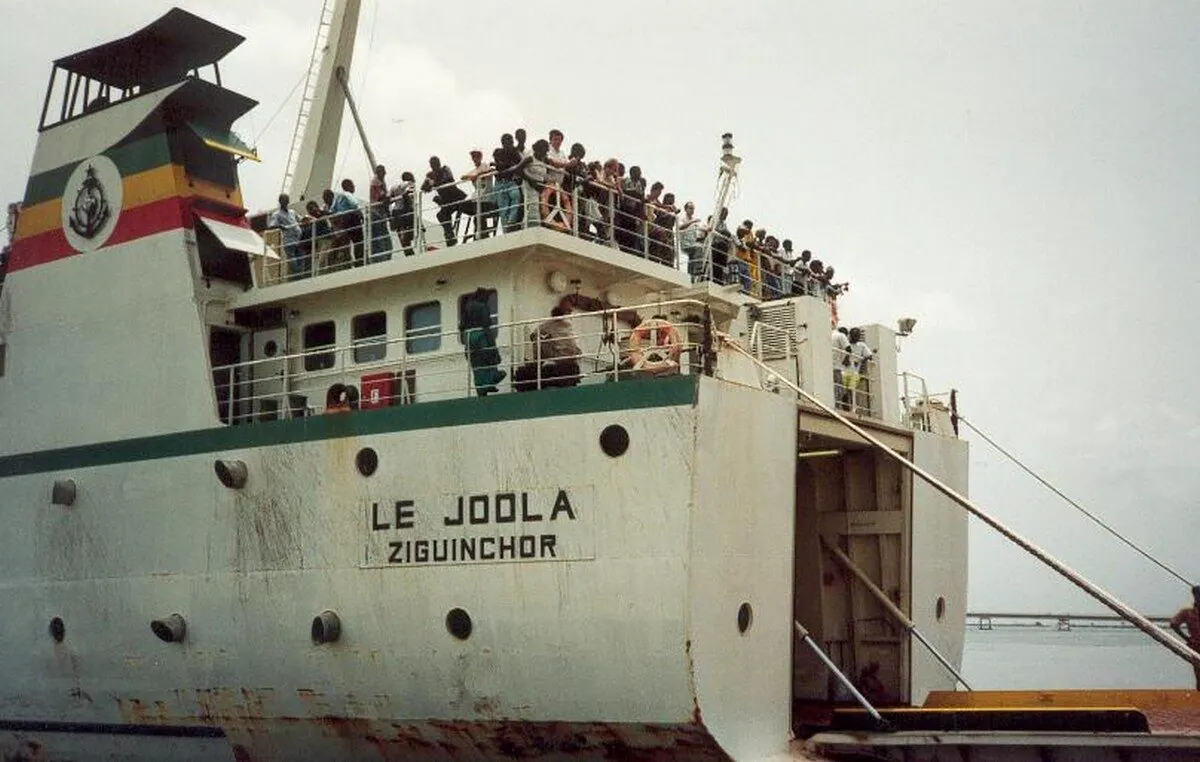
The Joola ferry disaster, which occurred on a stormy night 24 years ago, remains etched in the collective memory of Senegal. The tragedy, which resulted in the loss of thousands of lives, has left an indelible mark on the country's history. As the nation commemorates this dark day, the government and citizens alike are reaffirming their commitment to remembering the victims and their families. The incident has become a poignant reminder of the importance of maritime safety and the need for vigilance.
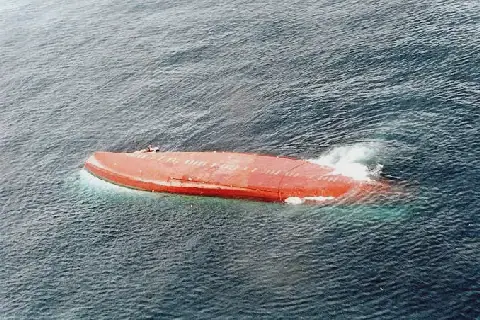
On September 25, 2002, the Senegalese ferry Joola capsized off the coast of Gambia, resulting in one of the deadliest maritime disasters in history. The tragedy claimed the lives of at least 1,863 people, with many more left missing or displaced. The incident sent shockwaves across the region, prompting an outpouring of grief and solidarity from neighboring countries and the international community. In the aftermath of the disaster, the Senegalese government launched an investigation into the causes of the tragedy.
The Joola disaster led to significant changes in maritime safety regulations in Senegal and beyond. The incident highlighted the need for improved safety measures, including enhanced life-saving equipment, more stringent safety protocols, and better training for crew members. In response to the tragedy, the International Maritime Organization (IMO) implemented new safety standards for passenger ships, with a focus on improving safety and preventing similar disasters in the future.
In the years since the Joola disaster, the Senegalese government has taken steps to support the families of victims and survivors. This has included providing financial assistance, counseling services, and other forms of support to those affected. The government has also worked to preserve the memory of the tragedy, including the establishment of a memorial to honor the victims. The memorial serves as a poignant reminder of the tragedy and its impact on the nation.
The commemoration of the Joola tragedy serves as a reminder of the importance of remembering and learning from the past. As Senegal and the international community reflect on the tragedy, there is a renewed focus on promoting maritime safety and preventing similar disasters. The incident has also highlighted the need for greater regional cooperation and collaboration on safety issues, with a focus on protecting human life and preventing loss at sea.
The Joola disaster has had a lasting impact on Senegal, with many families and communities still feeling the effects of the tragedy today. As the nation remembers the victims and their families, there is a sense of solidarity and shared grief. The commemoration of the tragedy serves as a powerful reminder of the importance of promoting safety, protecting human life, and supporting those affected by disasters.
As Senegal looks to the future, the Joola tragedy serves as a poignant reminder of the importance of vigilance and cooperation in promoting safety and preventing loss of life. The nation remains committed to honoring the memory of the victims and working towards a safer, more secure future for all. The incident has also highlighted the need for continued investment in maritime safety infrastructure and training, with a focus on preventing similar tragedies in the future.
Key points
- The Joola ferry disaster resulted in the loss of at least 1,863 lives and led to significant changes in maritime safety regulations.