The Senegalese government is promoting the "Made in Senegal" label to bridge the digital divide and reduce reliance on imported technology products. According to Roger Thiam, Director of Digital Economy and Partnerships, 97% of the population has 4G coverage, but 54% lack suitable devices. To address this, the government is supporting local assembly companies like Sunucorps, which produces computers, smartphones, and smart TVs.
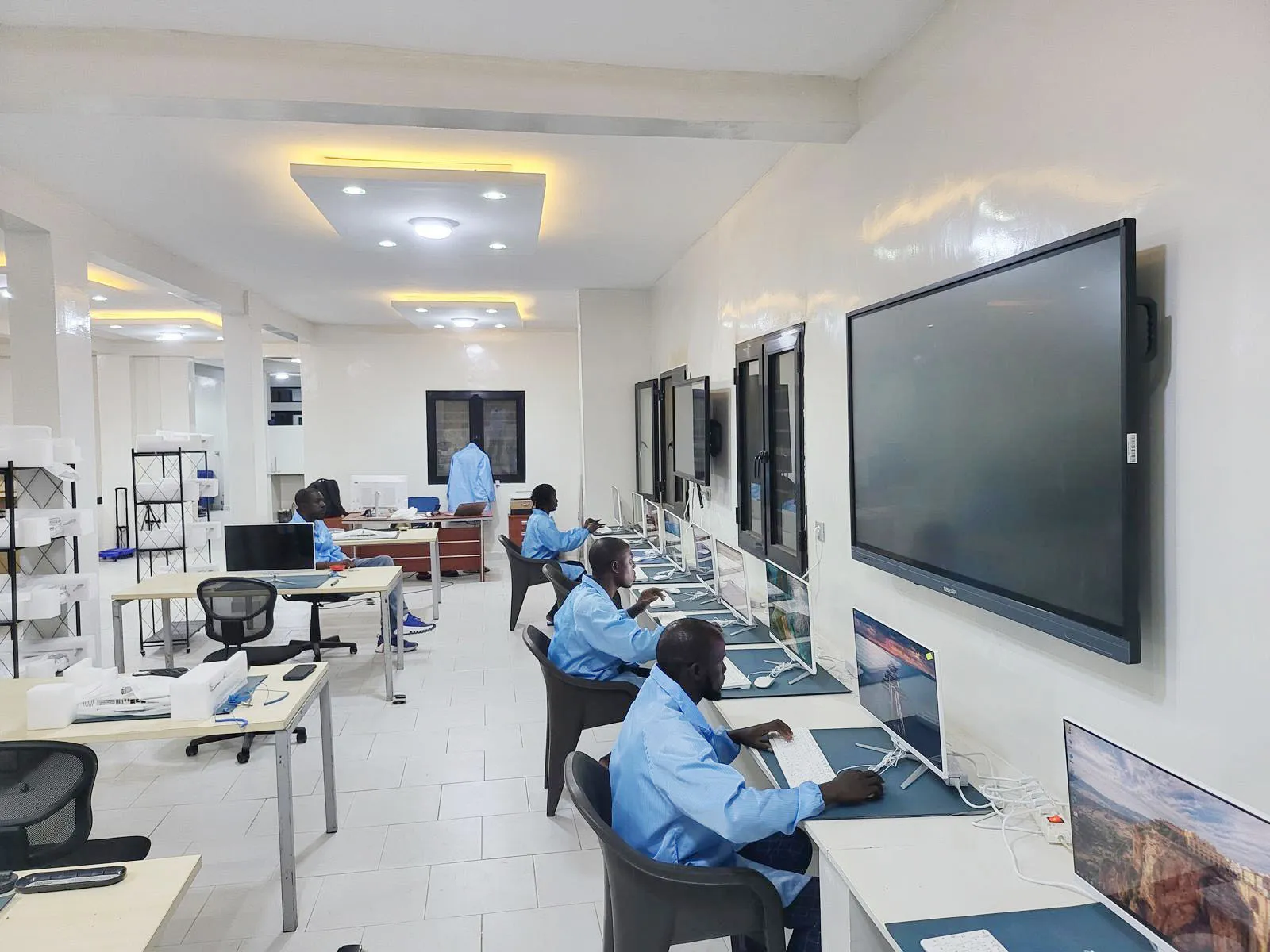
Sunucorps, a 100% Senegalese-owned company, has a production capacity of 7,500 computers per year at its pilot site in Keur Ndiaye Lô. The company's president, Abdourahmane Gaye, an aerospace engineer based in Los Angeles, aims to compete with international brands by assembling products locally. Sunucorps imports components and manufactures products in Senegal, with a focus on developing a domestic industrial ecosystem.
The Senegal Digital Factory network, led by Thiam, aims to harmonize public procurement and encourage government agencies to trust local brands. This initiative prioritizes data security and national sovereignty by allowing public institutions to monitor hardware and software components. The goal is to make local products competitive with international brands.
Sunucorps has already trained around 400 students and young people from engineering schools and training centers free of charge. The company has invested in assembly lines, equipped rooms, and trained personnel to rapidly increase production if demand rises. This initiative not only produces technology products but also develops local skills.
The "Made in Senegal" label represents a broader strategy to promote national values and industries. Thiam emphasizes that the label is not just an identity but a way of working, a set of values, and a Senegalese reality. By supporting local companies, the government aims to create a robust domestic industry that can compete globally.
Senegal's digital ambitions extend beyond production to include skills development and technology transfer. The country seeks to create a comprehensive industrial ecosystem, leveraging its existing strengths in technology and innovation. By promoting local assembly and production, Senegal aims to reduce its reliance on imported technology products.
The success of Sunucorps and similar initiatives will depend on government support, market demand, and the company's ability to scale up production. If successful, this strategy could help bridge the digital divide, create jobs, and promote economic growth in Senegal. The "Made in Senegal" label has the potential to become a symbol of national pride and industrial capability.
Key points
- The Senegalese government is promoting local assembly of tech products to bridge the digital divide.
- Sunucorps has a production capacity of 7,500 computers per year at its pilot site.
- The "Made in Senegal" label represents a broader strategy to promote national values and industries.