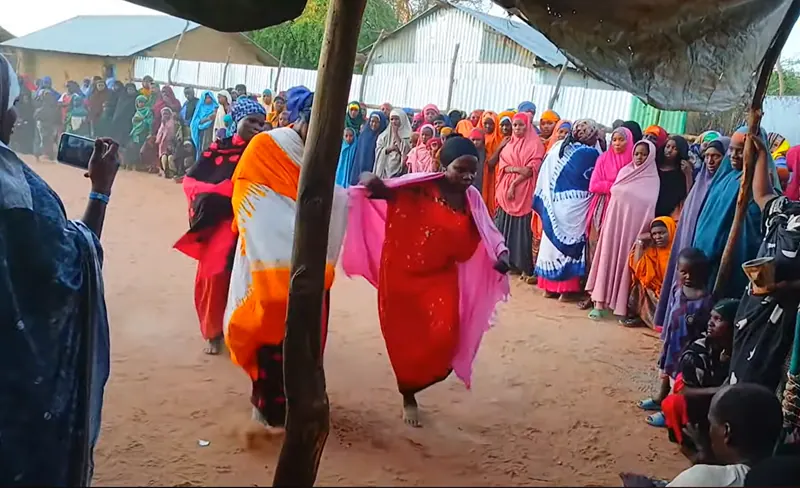
This year marks twenty-five years since the World Conference Against Racism in Durban declared the transatlantic slave trade a crime against humanity. Despite this, Somalia's Jareerweyne minority community continues to face systemic exclusion and abuse. The community, also known as Bantu or Jareer, are descendants of people captured in what is now Malawi, Tanzania, and Zimbabwe, and brought into Somalia through the nineteenth-century Arab slave trade.
The Jareerweyne community was put to work, unpaid, on plantations along the Shabelle and Jubba rivers, growing sorghum and sesame for export. Slavery in southern Somalia was not formally abolished until 1903, under Italian colonial administration. Even after abolition, freed people who stayed in the areas where they had been enslaved often continued working for their former owners in conditions that barely changed.
The history of slavery has calcified into a caste position inside the Somali clan system, with Jareerweyne communities incorporated as subordinates - bound to "patron" clans through a customary arrangement that supplies protection in name only. This system perpetuates a racialised system of exclusion that persists today, with the community facing significant barriers to accessing justice and equality.
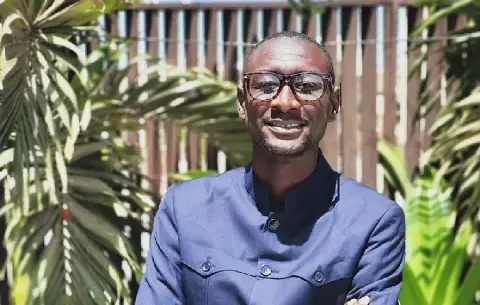
In December 2025, police in Jowhar, Somalia, arrested journalist Sharif Shuriye Hashi at his home for marrying a woman from a different clan. Sharif belongs to the Jareerweyne community, and his wife, Hamdi Muse Digow, comes from the Hawiye/Hawadle clan. The couple had been together for ten years before their nikah, but were detained due to pressure from Hamdi's family.
The official charge was that their marriage was "illegitimate," with the deputy police commander who led the arrest belonging to the same clan as Hamdi's family. The couple was arraigned before the Jowhar District Court, but the case has stalled, with no further public update since December 2025. The Somali Journalists Syndicate's secretary general has urged international partners to scrutinize whether their support is enabling the abuse.
The Organization for Prisoners' Rights has documented a pattern in Somalia's justice system, where majority-clan members often escape prosecution, while those without clan protection are blamed and punished. Sharafow Garaara Gedi, a member of a minority group, was sentenced to thirteen years in prison for a death that never occurred, simply because he had no clan to protect him.
Ismail Abukar has called on Pan-Africanists to look inwards, including Somalia's forgotten slave trade and the need to expand reparative justice to communities like the Jareerweyne. The Durban Declaration and Programme of Action recognised slavery and the slave trade as crimes against humanity, but the discourse has centred almost entirely on the transatlantic trade, neglecting the East African trade and its ongoing impacts.
Key points
- The Jareerweyne community in Somalia continues to face systemic exclusion and abuse twenty-five years after the World Conference Against Racism in Durban.
- The community's history of slavery has calcified into a caste position inside the Somali clan system, perpetuating a racialised system of exclusion.
- There is a need to expand reparative justice to communities like the Jareerweyne, who were impacted by the East African slave trade.