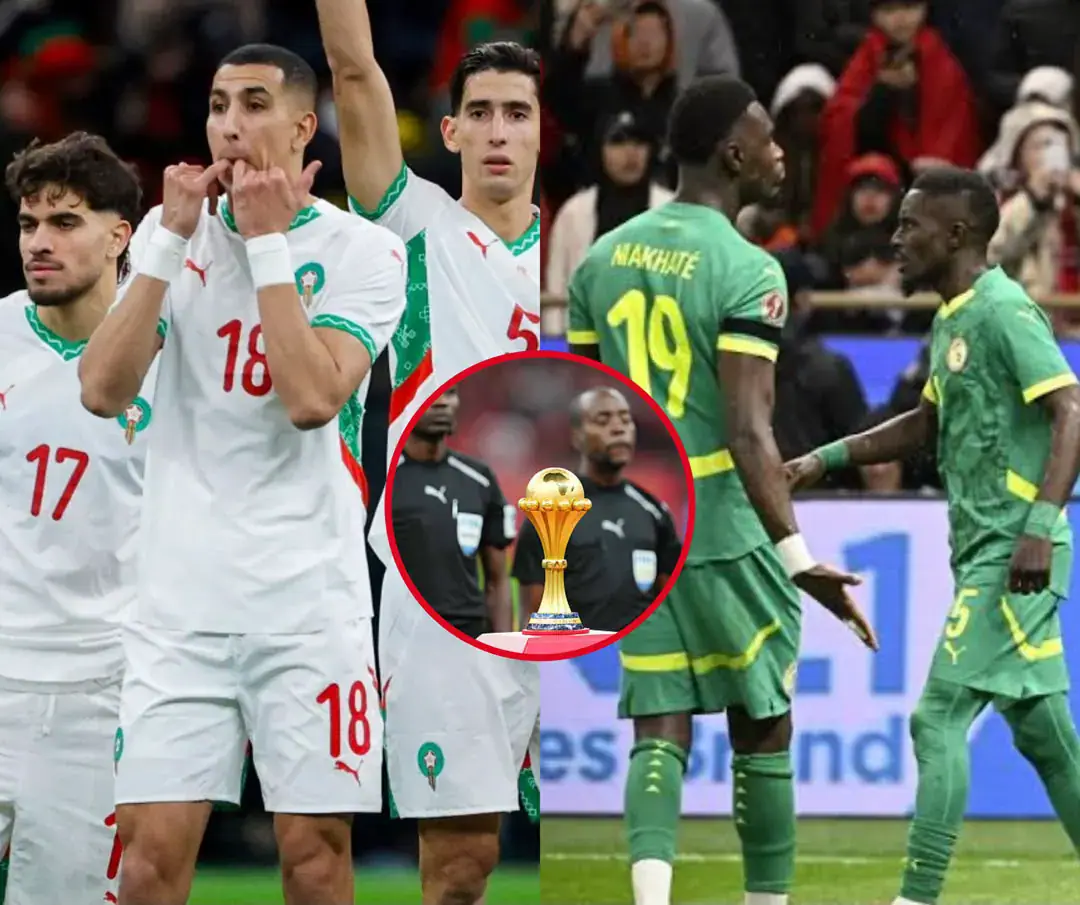
The sports world is eagerly awaiting the verdict of the Tribunal Arbitral du Sport (TAS) in the dispute between Senegal and Morocco over the 2025 Africa Cup of Nations (CAN) final. On January 18, Senegal won the final 1-0 against Morocco in extra time. However, the Confederation of African Football's (CAF) appeals committee overturned the result on March 17, declaring Senegal forfeit and awarding the win to Morocco 3-0. The Senegalese Football Federation (FSF) then appealed to the TAS on March 25.
The TAS, based in Lausanne, Switzerland, is an international arbitration tribunal specializing in sports disputes. Established in 1984, it is usually the final instance of appeal in sports, including football. The tribunal's functioning is based on an arbitration system, with panels composed of sports law specialists. In this case, the TAS will examine the FSF's appeal against the CAF appeals committee's decision. The dispute centers on the interpretation of the term "forfait" and the events that unfolded during the match.
The controversy began when Senegalese players left the field, but the match resumed with the referee's consent. Morocco's Brahim Diaz missed a penalty, and Senegal went on to win in extra time. Two interpretations of the CAF regulations are at odds. One side argues that leaving the field without authorization can result in a forfait, citing articles 82 and 84. The other side advocates for a contextual reading, considering the match's resumption and the lack of clear warning to Senegalese players.
The TAS's decision, expected on November 24, 2026, may not necessarily be the final act in this dispute. While the TAS is the last instance in the ordinary sports judicial order, its decisions can be appealed to the Swiss Federal Tribunal under strict conditions. The Swiss Federal Tribunal will only review the TAS's decision for compliance with certain legal guarantees and fundamental procedural rules, not re-examining the facts or re-interpreting sports regulations.
The Swiss Federal Tribunal's review is limited to specific grounds, such as irregular composition of the arbitration tribunal, lack of jurisdiction, or violation of equal treatment or the right to be heard. A party dissatisfied with the TAS's decision cannot simply appeal to the Swiss Federal Tribunal; they must demonstrate a specific legal ground for annulment. This means the TAS's decision will likely be the final resolution to the dispute, unless exceptional circumstances arise.
The dispute between Senegal and Morocco has been ongoing for several months, with supporters of both teams eagerly following the developments. A similar case occurred in 2019 when Esperance Sportive de Tunis was declared winner of the African Champions League after Moroccan team Wydad Athletic Club withdrew during the match. The TAS's verdict is expected to bring clarity to the situation and provide a resolution to the controversy.
The outcome of the TAS's decision will have significant implications for both teams and the broader sports community. The final verdict will demonstrate how the TAS interprets regulations and resolves disputes in high-stakes competitions. As the sports world waits for the decision, stakeholders will be watching closely to see how the tribunal navigates the complexities of sports law and dispute resolution.
Key points
- The TAS's decision may not be final if appealed to the Swiss Federal Tribunal under strict conditions.
- The dispute centers on the interpretation of "forfait" in the context of the CAN 2025 final between Senegal and Morocco.
- The Swiss Federal Tribunal's review is limited to specific grounds, such as irregular composition of the arbitration tribunal or violation of equal treatment.