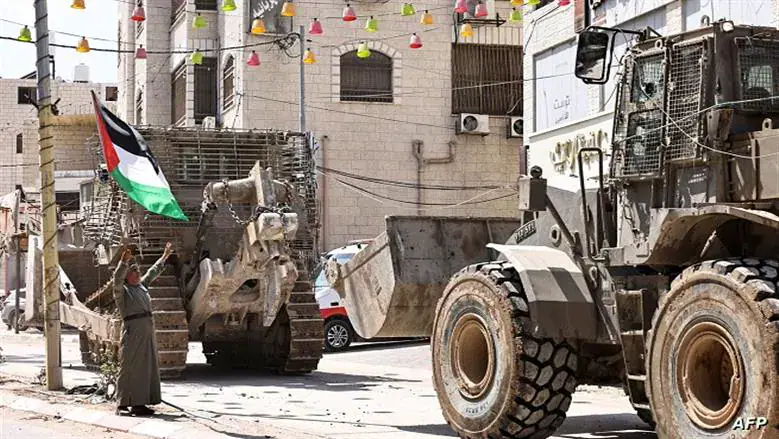
The West Bank is on the brink of a major escalation, with the situation rapidly deteriorating amid increased violence, displacement, and military operations. The area has witnessed a significant surge in settler attacks, with the United Nations reporting 40 incidents resulting in injuries or property damage in just one week. This has raised concerns about the potential for a new wave of conflict, separate from the ongoing situation in Gaza.
According to data from the UN Office for the Coordination of Humanitarian Affairs (OCHA), over 5150 Palestinians have been displaced within the West Bank since the beginning of 2026, with an average of more than 16 people per day. This displacement is largely due to home demolitions, settler violence, and restrictions on movement and access. The situation is further complicated by the ongoing expansion of Israeli settlements, which has led to the confiscation of Palestinian land and resources.
Analysts warn that the situation in the West Bank is becoming increasingly volatile, with the potential for a wider conflict emerging. The Brookings Institution's Naomi Newman has noted that settler violence has shifted from isolated incidents to more organized and coordinated attacks, aimed at pressuring Palestinian communities to leave their land. This has resulted in a significant increase in attacks, with 1380 incidents reported between January and July 2026, affecting around 250 Palestinian communities.
The expansion of Israeli settlements in the West Bank is also a major concern, as it further restricts Palestinian access to land, water, and resources. The Middle East Institute has noted that this expansion weakens the possibility of a contiguous Palestinian state and complicates any future political settlement. With the situation on the ground continuing to deteriorate, there are growing concerns about the potential for a new wave of conflict in the West Bank.
While there are no clear indications that a large-scale war is imminent, the combination of displacement, settlement expansion, and military operations has raised the risk of further escalation. The situation is complex, with multiple factors contributing to the tensions, and any incident has the potential to spark a wider conflict. The international community is watching the situation closely, with many calling for restraint and a return to peace talks.
The humanitarian situation in the West Bank is also deteriorating, with many Palestinians facing significant challenges in accessing basic necessities like food, water, and healthcare. The UN has expressed concern about the impact of the conflict on civilians, particularly women and children, and has called for increased support for humanitarian efforts in the region. With the situation showing no signs of improving, it is clear that a long-term solution is needed to address the root causes of the conflict.
As the situation in the West Bank continues to deteriorate, there are growing concerns about the potential for a wider conflict to emerge. With multiple factors contributing to the tensions, it is clear that a comprehensive and sustainable solution is needed to address the root causes of the conflict and bring peace to the region. The international community must continue to work towards a peaceful resolution, with a focus on addressing the humanitarian needs of those affected and promoting a lasting peace.
Key points
- Over 5150 Palestinians displaced in the West Bank in 2026, amid increased settler violence and military operations.
- The expansion of Israeli settlements in the West Bank is a major concern, as it restricts Palestinian access to land, water, and resources.
- The situation in the West Bank has the potential to spark a wider conflict, with multiple factors contributing to the tensions.