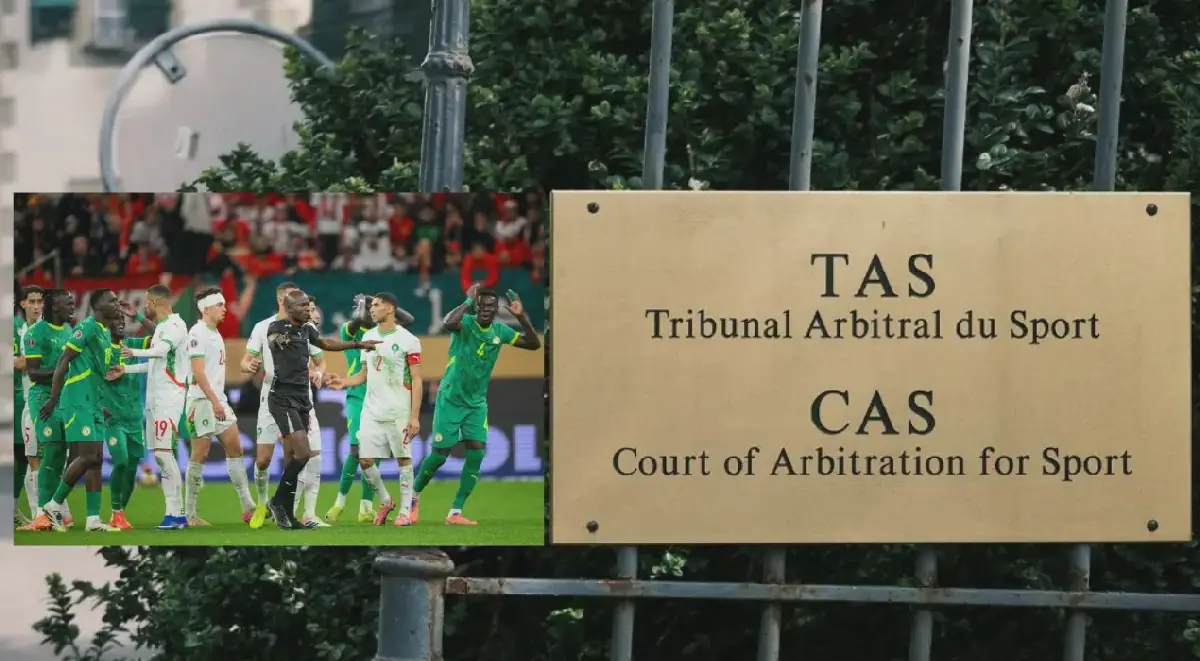
The Tribunal Arbitral du Sport, or TAS, in Lausanne, Switzerland, is set to hear a landmark case involving Senegal and Morocco over the 2025 Africa Cup of Nations title. The dispute centers on a decision by the Confederation of African Football's, or CAF, jury of appeal to award the title to Morocco, despite Senegal winning the match 1-0 in extra time on January 18, 2026, in Rabat.
The TAS has dealt with over 12,000 cases since its inception in 1984, including high-profile disputes involving athletes, clubs, and international sports organizations. Notable cases include Caster Semenya's challenge to World Athletics' regulations on athletes with differences in sex development, and Manchester City's successful appeal against a UEFA ban from European competitions.
What sets this case apart is that it directly concerns the outcome of a continental final, rather than a suspension, fine, or competition exclusion. The Senegalese Football Federation, or FSF, is contesting the CAF's decision to declare Senegal forfait and award the win to Morocco. This has significant implications for the credibility of the CAF and the integrity of the competition.
The stakes are high, with the two nations being among Africa's top football powers. The dispute has captured the attention of the public and rekindled national passions, creating tension that extends beyond the two federations. The outcome may have lasting effects on relations between continental football authorities and those who challenge their decisions.
The case raises questions about the intersection of sports, governance, and justice. The TAS's decision will need to balance two competing perspectives: the result of the match and the application of regulations. This will be a critical test of the CAF's decision-making processes and the role of international arbitration in resolving sports disputes.
For Senegal, the goal is to defend its continental title, while Morocco seeks recognition of its claimed victory. The African football community is watching closely, as the outcome may set a precedent for future disputes and impact the credibility of the CAF and the continent's football governance structures.
The TAS's verdict is expected to have far-reaching consequences, not only for the two nations involved but also for the broader sports community. As the tribunal prepares to deliver its judgment, stakeholders are eagerly awaiting the outcome of this unprecedented case, which may redefine the boundaries of sports arbitration and governance in Africa.
Key points
- The dispute centers on a decision by the CAF's jury of appeal to award the 2025 Africa Cup of Nations title to Morocco, despite Senegal winning the match.
- The TAS has dealt with over 12,000 cases since its inception in 1984, including high-profile disputes involving athletes, clubs, and international sports organizations.
- The outcome of the case may have lasting effects on relations between continental football authorities and those who challenge their decisions.