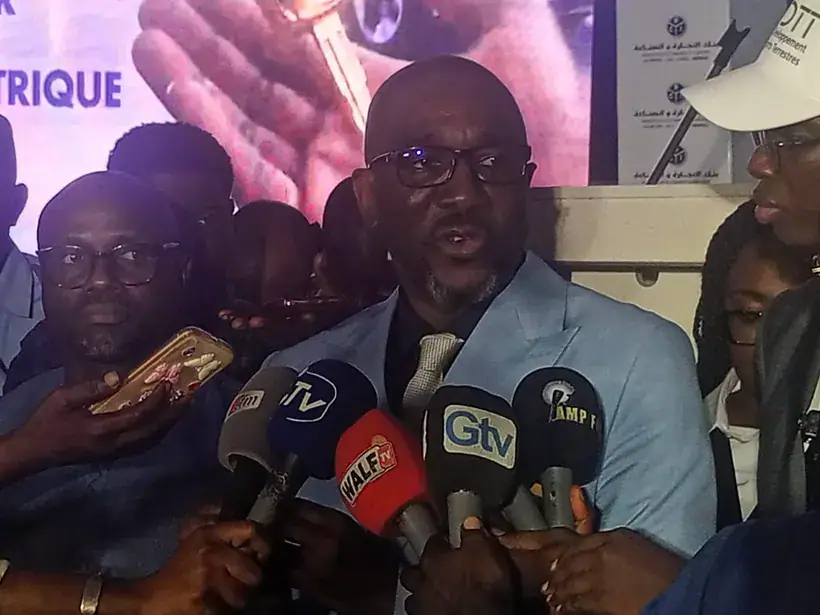
Senegal has made significant progress in modernizing its urban transportation system with the launch of 100 fully electric taxis in Dakar. This initiative is a collaboration between the Banque pour le commerce et l’industrie (BCI), the Fonds de développement des transports terrestres (FDTT), and the Office national de formation professionnelle (ONFP). The project aims to introduce 1,000 electric vehicles, with plans to increase this number to 10,000 by 2030.
The 100 electric taxis delivered in Dakar are equipped with air conditioning, silencers, and connectivity features, offering an autonomy of over 400 kilometers. According to Bara SOW, the project manager, the goal is to have 700 electric taxis operating in Dakar by the end of the year. The vehicles are expected to reduce operating costs, with electricity costing 3 to 5 times less per kilometer than fuel, and maintenance costs reduced by over 50%.
The project also includes a professional training program for taxi drivers, covering aspects such as driving, safety, and customer relations. Papa Massal DIEYE, director general of BCI Senegal, emphasized that these training programs are essential for the success of the project. Additionally, the program offers a leasing model that allows drivers to become owners of their vehicles after four years, along with social protection, comprehensive insurance, and maintenance support.
The initiative aims to transform the status of taxi drivers, making the profession more noble and attractive. Bara SOW highlighted that the project seeks to change the perception of being a taxi driver, offering better working conditions and financial benefits. The program has the potential to create new opportunities for drivers and contribute to the growth of Dakar's economy.
The deployment of 100 electric taxis is just the beginning, with 600 more vehicles expected to join the fleet by the end of the year. The project is part of a larger plan to promote sustainable transportation in Senegal, reducing the country's carbon footprint and improving air quality in urban areas. The electric taxis are also expected to contribute to the development of a more efficient and reliable transportation system.
Mbassor SARR, technical advisor to the director general of BCI, emphasized that the use of electric vehicles will significantly reduce operating costs for taxi drivers. The lower cost of electricity compared to fuel, combined with reduced maintenance costs, is expected to make the profession more profitable and sustainable. The project has the potential to serve as a model for other cities in Senegal and the wider region.
The launch of the electric taxi project in Dakar marks a significant milestone in Senegal's efforts to modernize its transportation system and promote sustainable development. With plans to expand the fleet to 1,000 vehicles and eventually 10,000 by 2030, the project has the potential to make a substantial impact on the country's urban transportation landscape. Key stakeholders, including BCI, FDTT, and ONFP, are working together to ensure the project's success.
Key points
- Senegal aims to deploy 10,000 electric taxis by 2030.
- The electric taxis offer an autonomy of over 400 kilometers and are equipped with air conditioning and connectivity features.
- The project includes a professional training program for taxi drivers and a leasing model that allows drivers to become owners of their vehicles after four years.
Reporting sources
- WalFadjri · WalFadjri