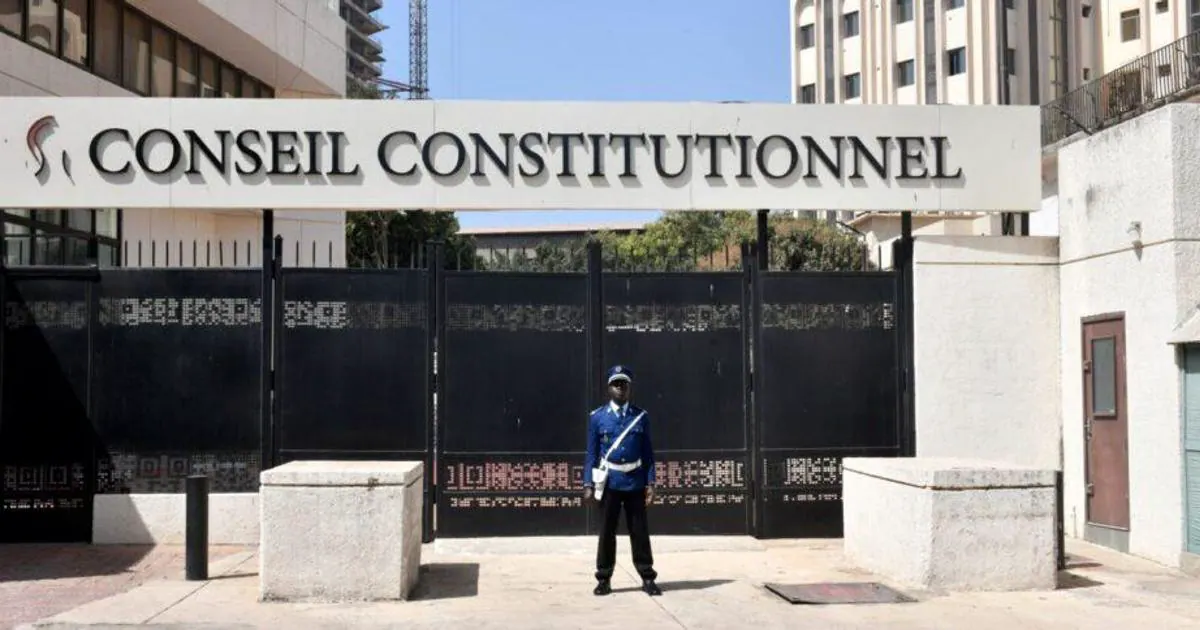
The Senegalese government has taken a significant step in the ongoing debate over the country's petroleum code. On September 29, 2026, the government submitted a request to the Constitutional Council to declare inadmissible a proposed amendment to the petroleum code. This amendment was put forward by lawmakers from the Pastef party, a key opposition group in the country. The move is seen as a strategic step by the government to potentially block the proposed changes.
The request was made by the President of the Republic, who has the authority to refer legislation to the Constitutional Council for review. According to Ismaïla Diallo, the third vice-president of the National Assembly, the government argued that the proposed amendment is inadmissible. This development has led to a postponement of the plenary session scheduled for September 29, 2026, which was meant to discuss the proposed changes to the petroleum code.
A new plenary session has been scheduled for October 13, 2026, to discuss the proposed amendment, pending the Constitutional Council's decision. The Council, composed of seven judges, will review the proposed amendment and determine its constitutionality. This process is expected to provide clarity on the proposed changes and their potential impact on Senegal's petroleum sector.
The proposed amendment to the petroleum code has been a contentious issue in Senegal. The current petroleum code, which was enacted in 2019, has been the subject of intense debate among lawmakers, industry stakeholders, and civil society groups. The proposed changes aim to revise the code to make it more beneficial to the country, but there are concerns about the potential impact on investment and revenue generation.
This is not the first time the Constitutional Council has been involved in a high-profile case related to Senegal's petroleum sector. In July 2026, Bassirou Diomaye Faye, a prominent opposition leader, submitted a petition to the Council, challenging the constitutionality of a law revising the country's Constitution. Faye argued that the revision process was flawed and that the law should be struck down.
The Constitutional Council's decision on the proposed amendment to the petroleum code is expected to have significant implications for Senegal's energy sector. The country's petroleum code has been a major point of contention in recent years, with various stakeholders vying for influence and control. The Council's ruling will provide clarity on the proposed changes and their potential impact on the sector.
The government's decision to seek a review of the proposed amendment has sparked concerns among lawmakers and industry stakeholders. There are fears that the move could delay much-needed reforms and create uncertainty in the sector. However, others argue that the review is necessary to ensure that any changes to the petroleum code are constitutional and in the best interests of the country.
Key points
- The Senegalese government has asked the Constitutional Council to review a proposed amendment to the petroleum code submitted by lawmakers from the Pastef party.
- The proposed amendment aims to revise the country's petroleum code, which was enacted in 2019.
- The Constitutional Council's decision is expected to have significant implications for Senegal's energy sector.