Senegal is grappling with multiple crises, including economic and financial difficulties, a institutional crisis and a boiling social front. The country's economic and financial woes are marked by a significant debt burden and delayed financial support from the International Monetary Fund. A power struggle between President Bassirou Diomaye Faye and Prime Minister Al-Amin Lô has created an institutional crisis, while the social front is protesting the deteriorating living conditions of Senegalese citizens.
The Senegalese people are increasingly frustrated with the government's inability to address their concerns. The country's economy has been underperforming since 2024, with a growth rate of 6.7% in 2024, but stagnating at the same rate in 2025. In 2026, Senegal ranked seventh in the West African Economic and Monetary Union, with a growth rate of 5.0%, behind countries such as Niger, Mali and Burkina Faso.
The government's priority is to restructure Senegal's suffocating debt, which has led to the suspension of several development projects. This austerity measure has impacted the living standards of the population, as exemptions and subsidies for commercial actors have been suspended. The country's inflation rate has also increased, affecting the cost of living, housing, essential products and energy.
The social front is boiling, with trade unions denouncing the government's handling of the economy and the living conditions of Senegalese citizens. A general strike was observed by several trade unions in October 2026, but the government has failed to address their concerns. The unions have rejected a three-month truce proposed by President Diomaye Faye, citing the urgent need for action to address the economic crisis.
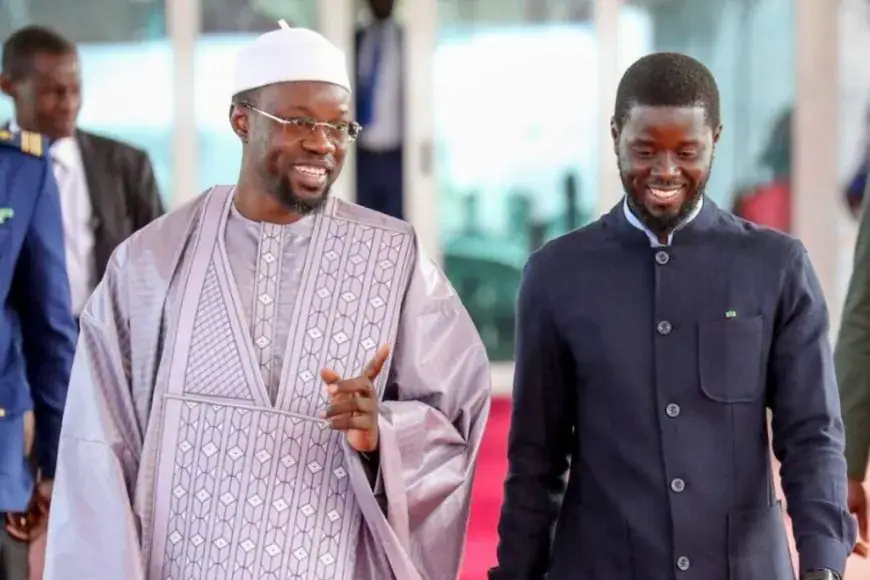
The power struggle between President Diomaye Faye and Prime Minister Al-Amin Lô has created an institutional crisis, blocking the normal functioning of the country. The rivalry between the two leaders has turned into animosity, with each trying to outmaneuver the other. This has affected the functioning of institutions, including the National Assembly, which is presided over by Ousmane Sonko.
Senegal's economic woes are a major concern, with the country's growth rate underperforming compared to other countries in the region. The country's economic challenges are compounded by a decline in the purchasing power of its citizens, who are struggling to make ends meet. The government's inability to address these concerns has led to widespread frustration and discontent.
The Senegalese government faces significant challenges in addressing the country's multiple crises. The country's economic and financial difficulties, institutional crisis and social unrest require urgent attention and action. The government's ability to address these concerns will be crucial in determining the country's future and restoring the trust of its citizens.
Key points
- Senegal's economic growth rate has stagnated under the leadership of Diomaye-Sonko.
- The country's institutional crisis is fueled by a power struggle between President Diomaye Faye and Prime Minister Al-Amin Lô.
- The social front is boiling, with trade unions denouncing the government's handling of the economy and living conditions.