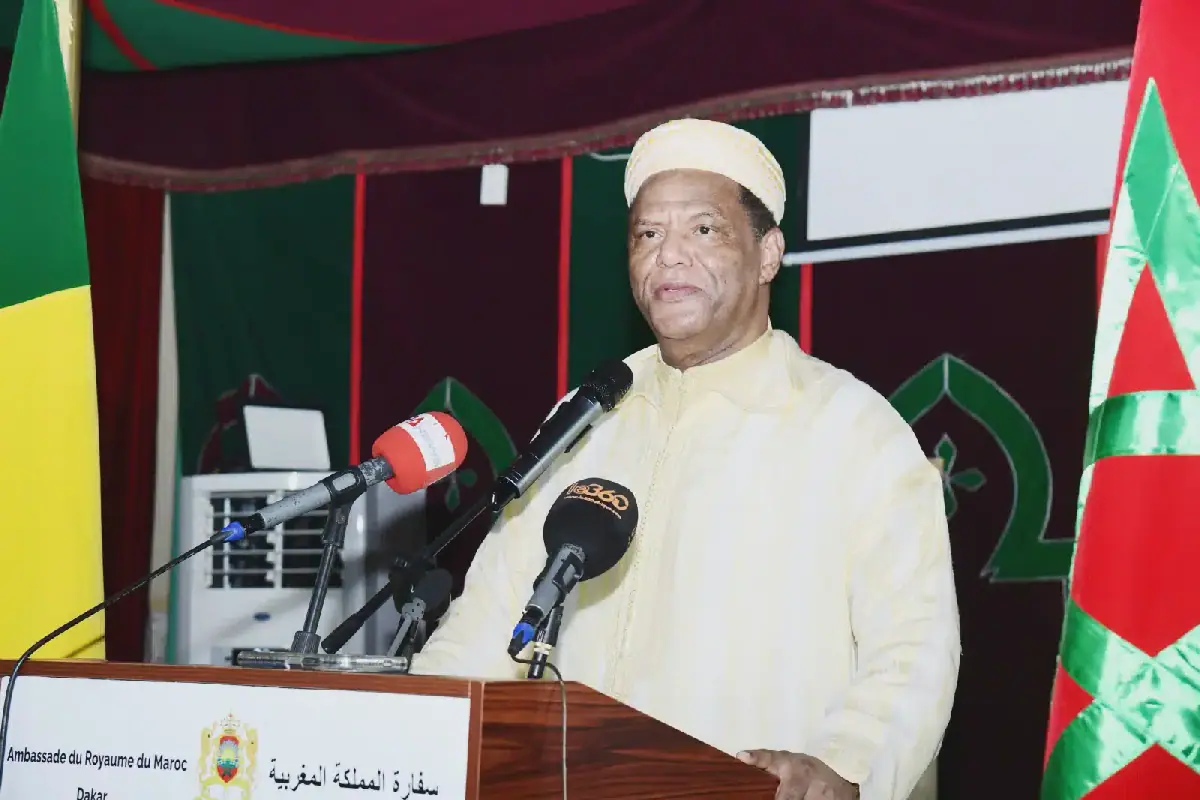
The Moroccan Embassy in Senegal organized a ceremony on November 6, 2026, to commemorate the 51st anniversary of the Green March, a pivotal event in Moroccan history. The event, held at the residence of Moroccan Ambassador Hassan Naciri, brought together representatives of the Senegalese state, religious dignitaries, and diplomats. The Green March, which took place in 1975, saw hundreds of thousands of Moroccan civilians peacefully march into the southern provinces, then under Spanish colonization, now known as Western Sahara.
Ambassador Hassan Naciri highlighted the significance of the Green March, stating that its impact extends beyond historical memory and continues to inspire Morocco's actions today. He emphasized that the event laid the foundations for modern Morocco, fostering a sense of national unity, mobilization, and a commitment to progress. The ambassador also noted that Morocco's ongoing reforms and development projects reflect the spirit of the Green March, aiming to build a modern state, promote national cohesion, and improve citizens' living conditions.
The Green March has become an integral part of Morocco's national identity, with October 31 now celebrated as Unity Day. This date marks the adoption of UN Security Council Resolution 2797 in 2025, which recognized Morocco's sovereignty over Western Sahara and endorsed the Moroccan autonomy initiative as the basis for negotiations. Ambassador Naciri stressed that this recognition supports Morocco's efforts to promote peace and dialogue in the region.
The ceremony in Dakar was attended by various dignitaries, including representatives from the Senegalese government. Morocco and Senegal have historically enjoyed strong diplomatic relations, with King Mohammed VI choosing Dakar as the location for his 2016 speech marking the 41st anniversary of the Green March. This event underscored the monarch's commitment to national unity and territorial integrity.
The Green March has had a lasting impact on Morocco's development and national identity. The event marked a significant milestone in Morocco's modern history, as the country sought to reclaim its territories and assert its sovereignty. Today, Morocco continues to prioritize national unity, development, and progress, with the Green March serving as a powerful symbol of these efforts.
In his address, Ambassador Naciri expressed his appreciation for Senegal's participation in the celebration, highlighting the strong ties between the two nations. He also emphasized that the Green March represents a shared history between Morocco and its people, with the event continuing to inspire Morocco's actions and policies today.
The commemoration of the Green March in Dakar serves as a testament to the enduring relationship between Morocco and Senegal. As Morocco continues to navigate regional and international challenges, the Green March remains an essential part of its national narrative, symbolizing the country's commitment to unity, development, and progress.
Key points
- The Green March has had a lasting impact on Morocco's national identity and development.