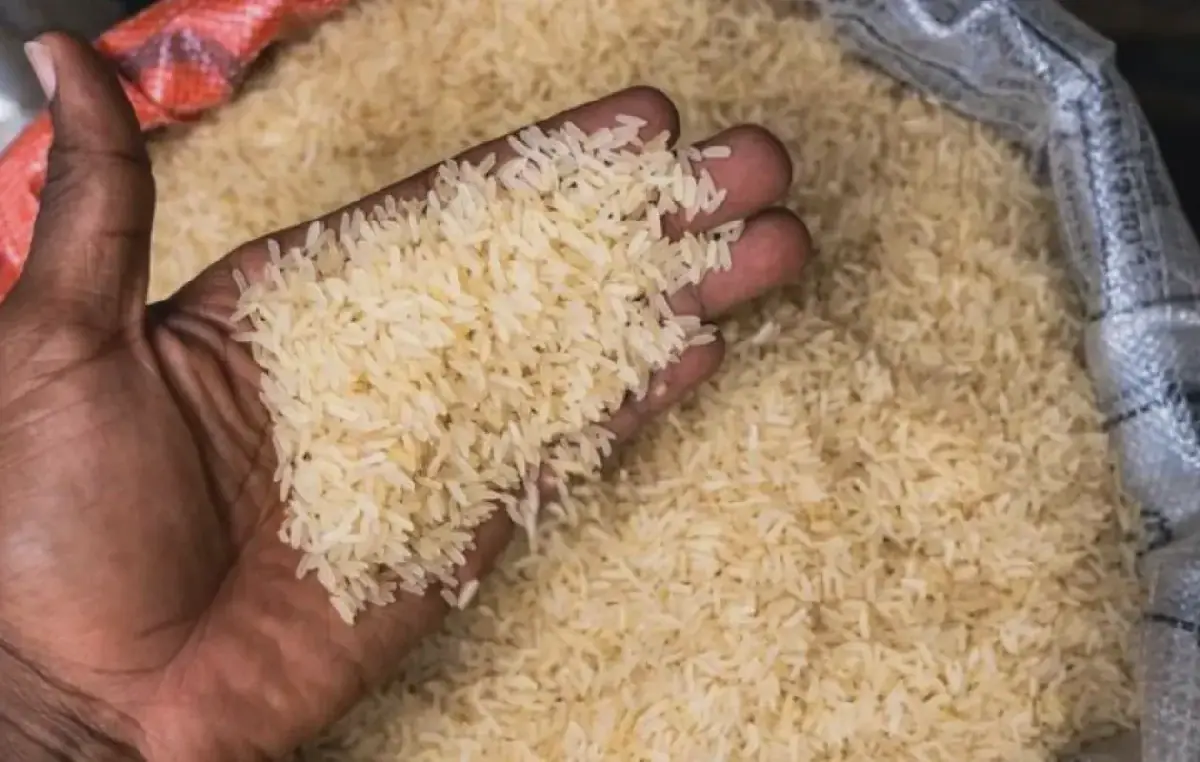
The Indian government is considering restricting exports of 100% broken white rice, according to a Platts survey published on November 6. Exporters anticipate government intervention, potentially in the form of quotas, taxes, or a complete suspension of sales. Although no official decision has been announced by the Indian Ministry of Commerce, the possibility of restrictions has raised concerns among West African countries, including Senegal.
The demand for broken rice has increased due to its use in ethanol distilleries, animal feed manufacturing, and exports. In India, the national wholesale price of broken rice has risen by 5.3% from 2,883 rupees per quintal on October 10 to 3,036 rupees on November 2. This price increase, coupled with prospects of a lower rice harvest, has added pressure on the market. S&P Global Energy CERA predicts that India's rice production will be 146 million tons for the 2026-2027 season, eight million tons less than the previous year, partly due to El Niño.
Senegal heavily relies on broken rice imports, with 1.39 million tons imported in 2025, valued at $536.3 million. India was the second-largest supplier, providing 399,057 tons, or 28.7% of the total. Other suppliers included Thailand, Pakistan, and Brazil. While Senegal's diversified import sources may cushion the impact of potential Indian export restrictions, it is uncertain whether the required volumes can be replaced quickly and at the same prices, especially with Asian buyers also in high demand.
This is not the first time India has restricted broken rice exports. In September 2022, India banned exports of broken rice, which was later lifted in March 2025. Senegal and Gambia received exceptional permits for 250,000 and 100,000 tons, respectively, in March 2023. The potential for future restrictions has raised concerns among West African countries about their food security and the availability of affordable imports.
The Indian Ministry of Commerce has not made an official announcement regarding the proposed restrictions. However, the possibility of limitations has sparked concerns among exporters and importers. The global rice market is closely watching the situation, as India's rice production and export policies significantly impact global prices and availability.
West African countries, particularly Senegal, are vulnerable to changes in the global rice market due to their reliance on imports. The region's food security may be affected if Indian export restrictions lead to reduced availability or higher prices. The situation is being closely monitored by governments, traders, and other stakeholders in the region.
The impact of potential Indian export restrictions on Senegal and other West African countries will depend on various factors, including the extent of the restrictions, the response of other rice-exporting countries, and the region's ability to adapt to changing market conditions. The situation highlights the complexities of global food systems and the need for countries to develop strategies to mitigate the effects of external shocks.
Key points
- Senegal imported 1.39 million tons of broken rice in 2025, with India supplying 28.7% of the total.
- The Indian government is considering restricting exports of 100% broken white rice due to increased domestic demand and lower production prospects.
- West African countries are concerned about the potential impact of Indian export restrictions on their food security and access to affordable imports.
Reporting sources
- WalFadjri · WalFadjri