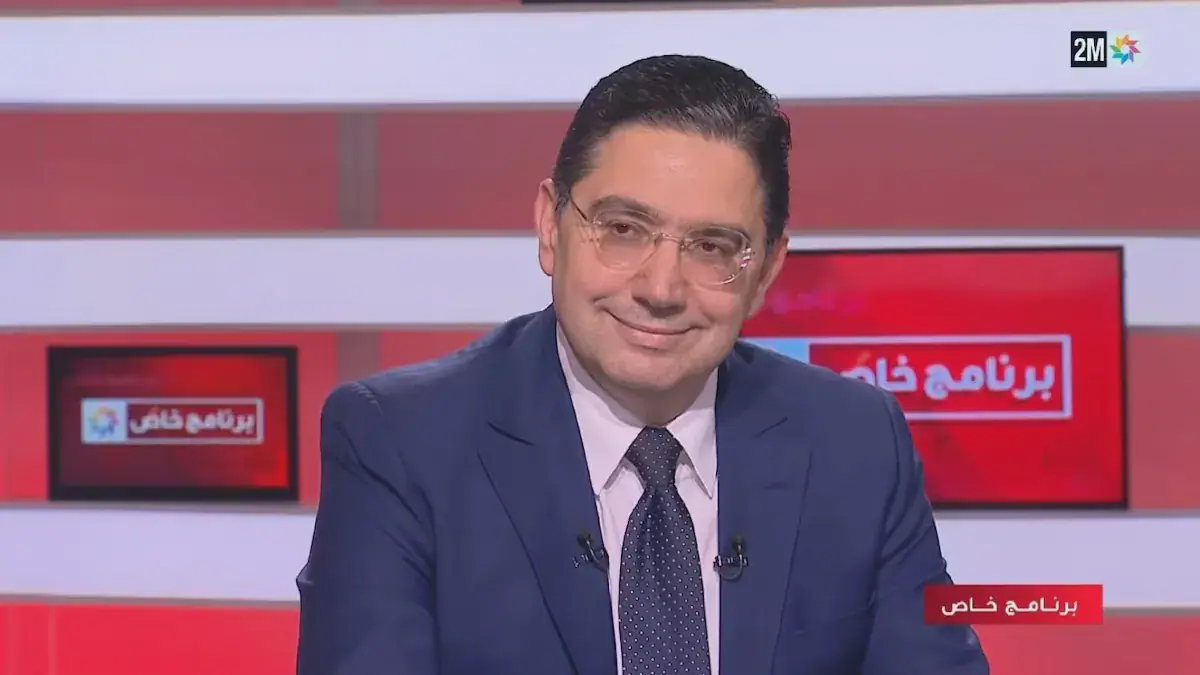
The Moroccan government is taking a new approach to the Western Sahara conflict after the United Nations ended its peacekeeping mission, Minurso, on October 30. The mission, established in 1991, was set to oversee a referendum, but it has been stalled for decades due to disagreements over voter identification and other issues. Morocco's Foreign Minister, Nasser Bourita, says the country will no longer be bound by the UN's framework, which it sees as outdated and ineffective.
The decision to end Minurso's mandate marks a significant shift in Morocco's strategy on the Western Sahara issue. While Morocco remains committed to a ceasefire and a plan for autonomy, it will now prioritize bilateral and regional mechanisms to resolve the conflict. This approach is in line with a philosophy promoted by King Mohammed VI, who has emphasized the need to rethink the rules and processes that have guided the conflict's management.
The Minurso mission had initially been tasked with overseeing a referendum, but this goal was never achieved. Over the years, the mission's role has evolved, but Morocco sees it as no longer relevant to the current situation. Bourita notes that the mission's focus on a referendum has not been a priority since 2000, and its role in monitoring the ceasefire has also become less relevant since the Polisario Front's resumption of hostilities in 2020.
The end of Minurso's mandate has raised concerns about the potential for renewed violence in the region. The Polisario Front, which seeks independence for Western Sahara, has been backed by Algeria, a rival of Morocco. However, Morocco's government has emphasized its commitment to a ceasefire, while also stressing the need to protect its territorial integrity and national security.
As the UN mission winds down, Morocco will oversee the withdrawal of personnel and equipment. The government has sought to reassure the international community that this process will be conducted in an orderly and responsible manner, without escalating tensions with the UN. Morocco sees this as an opportunity to redefine its relationship with the UN and take a more proactive approach to resolving the Western Sahara conflict.
The new approach will involve pursuing diplomatic efforts to gain support for Morocco's autonomy plan, but through diverse channels and mechanisms. Morocco is seeking to build on its relationships with key partners, including the United States, which has expressed support for the autonomy plan.
The shift in Morocco's strategy reflects a desire to take control of the diplomatic agenda and move beyond the institutional calendar of the UN. While the country remains committed to a peaceful resolution, it is seeking to assert its own initiative and priorities in addressing the Western Sahara conflict.
Key points
- Morocco will prioritize bilateral and regional mechanisms to resolve the Western Sahara conflict.
- The UN's Minurso mission was established in 1991 to oversee a referendum.
- Morocco remains committed to a ceasefire and a plan for autonomy in Western Sahara.
Reporting sources
- Minurso: le Maroc sort du statu quo · Challenge Hebdo