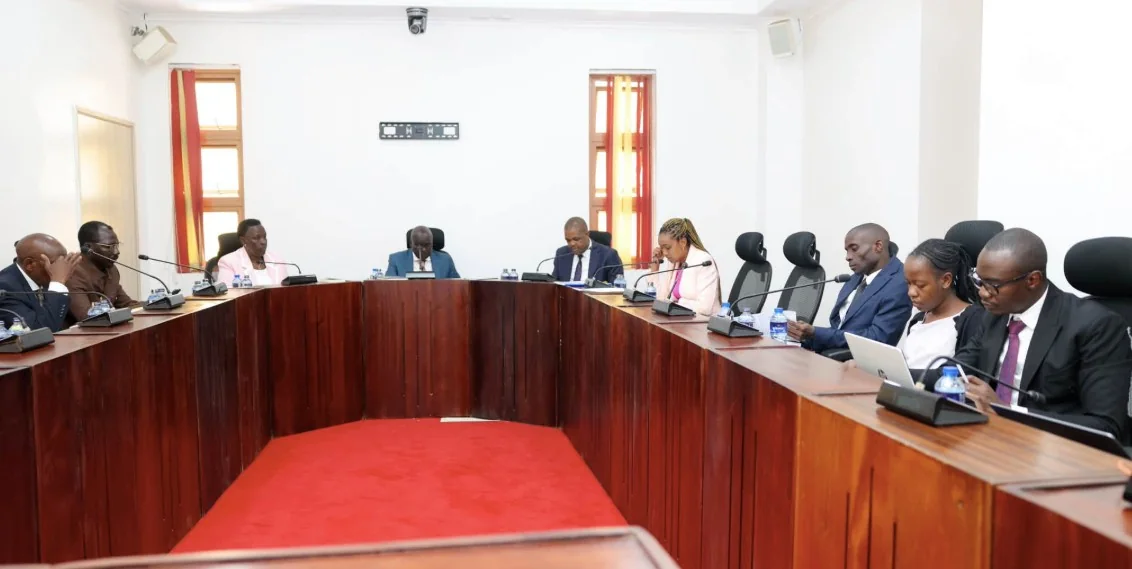
The Senate Energy Committee in Kenya has initiated an inquiry into the rural electrification projects that have stalled across the country. This move comes after a review of the budget revealed that only 21% of the allocated funds had been spent by March 2026. The Rural Electrification Scheme, which was launched in January 2020 and is set to run until July 2028, had a budget of Sh41.76 billion, out of which only Sh8.86 billion had been utilized.
The committee, led by chair William Kisang, will focus on counties where projects remain incomplete after six years of implementation. The first oversight visit is scheduled for Tana River in November, with two additional counties to be identified. The visits aim to identify challenges delaying electricity connections, particularly those linked to the Rural Electrification and Renewable Energy Corporation (REREC). This move is expected to bring to light the issues hindering the completion of these projects.
Concerns have been raised about REREC's project implementation approach. Kakamega Senator Boni Khalwale accused REREC of launching projects during presidential visits only to leave poles standing for years without any households connected. This has raised questions about the effectiveness of REREC's project management and implementation strategies. The committee's inquiry is expected to shed more light on these allegations.
The probe has also revealed uneven progress in different counties. In Homa Bay, Senator Beatrice Ogolla reported that REREC had only linked the first school to the scheme two days before the committee meeting, while work on a second site remained unfinished. This has sparked concerns about the equity and fairness in the distribution of resources and implementation of projects across different regions.
The inquiry into rural electrification projects comes amid broader concerns over uneven spending in Kenya's energy sector. The State Department for Energy had used Sh42.98 billion of its Sh63.47 billion allocation, while the State Department for Petroleum had spent Sh6.08 billion of its Sh30.69 billion budget by the end of March. This has raised questions about the efficiency and effectiveness of budget utilization in the sector.
The committee also noted a drop in combined energy and petroleum allocations to Sh56.2 billion for the 2026/27 fiscal year. This reduction has raised concerns about possible transfers to the National Infrastructure Fund. The Parliamentary Budget Office is expected to conduct a separate analysis of the Kenya Off-Grid Solar Access Project to understand the implications of this reduction.
The Senate Energy Committee's inquiry into stalled rural electrification projects is a significant step towards addressing the challenges hindering the implementation of these projects. The committee's findings and recommendations are expected to inform policy and implementation strategies, ultimately contributing to the achievement of Kenya's energy goals.
Key points
- Only 21% of the Rural Electrification Scheme's Sh41.76 billion budget had been spent by March 2026.
- The Senate Energy Committee will conduct oversight visits to counties with stalled projects, starting with Tana River in November.
- The inquiry aims to identify challenges delaying electricity connections and improve the implementation of rural electrification projects.