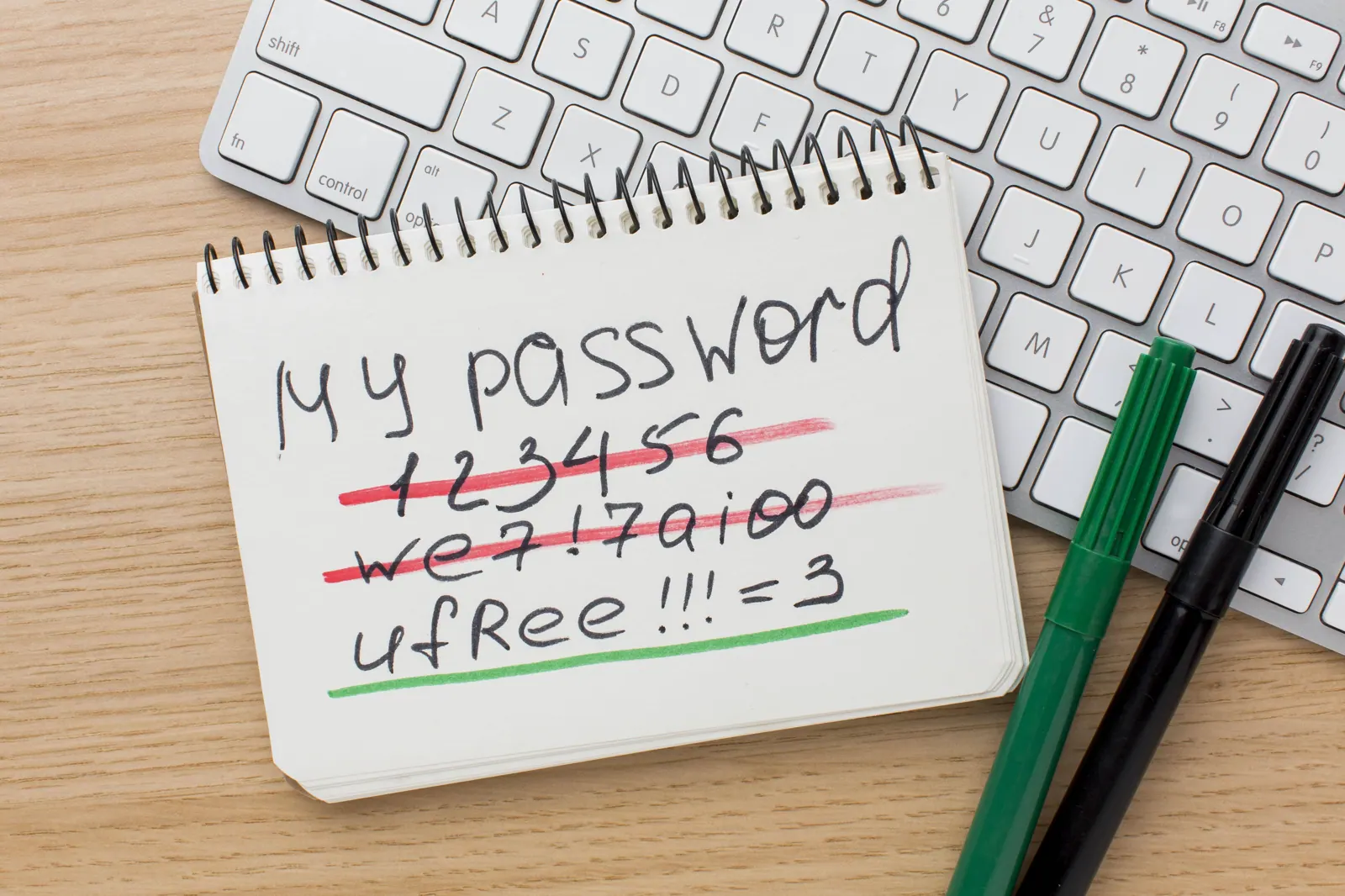
As technology advances, online security has become a pressing concern for individuals and organizations alike. In Libya, experts stress the importance of using strong passwords and two-factor authentication to protect sensitive information. A password, or "kلمة سر" in Arabic, is a secret phrase or string of characters used to limit access to a particular system or account. With the increasing number of online transactions and digital interactions, choosing a strong password has become more crucial than ever.
According to security experts, a strong password should be at least 16 characters long and include a mix of uppercase and lowercase letters, numbers, and special characters. It is also recommended to use a passphrase, or "عبارة مرور," which is a sequence of words that is easy to remember but hard to guess. Experts advise against using easily guessable information such as names, dates of birth, or common phrases. Additionally, it is essential to use a unique password for each account and avoid using the same password across multiple platforms.
To manage multiple passwords, experts recommend using a password manager, or "برنامج إدارة كلمات السر." These tools can securely store and encrypt passwords, allowing users to access them with a single master password. Examples of popular password managers include NordPass, KeePass, LastPass, and 1Password. By using a password manager, individuals can generate and store complex passwords for each account, reducing the risk of password-related security breaches.
Two-factor authentication, or "التوثيق الثنائي," is another layer of security that can be used to protect online accounts. This method requires users to provide two forms of verification, such as a password and a fingerprint, or a password and a one-time code sent via SMS or email. By enabling two-factor authentication, individuals can significantly reduce the risk of unauthorized access to their accounts. Many online services, including social media platforms like Facebook, Google, and Twitter, offer two-factor authentication as an optional security feature.
The use of two-factor authentication is becoming increasingly important as online threats continue to evolve. In recent years, there has been a significant increase in cyber attacks and data breaches, highlighting the need for robust security measures. By using strong passwords and two-factor authentication, individuals can protect themselves against these threats and maintain the security of their online accounts.
Experts also note that security measures must adapt to advances in technology. As computers become more powerful, longer passwords are needed to maintain security. The length of passwords recommended by experts is directly related to the processing power of computers, which doubles approximately every 18 months, according to Moore's Law. Therefore, it is essential to stay informed about the latest security best practices and adjust password strategies accordingly.
In conclusion, using strong passwords and two-factor authentication is crucial for protecting online security. By following best practices, such as using password managers and enabling two-factor authentication, individuals can significantly reduce the risk of unauthorized access to their accounts. As technology continues to evolve, it is essential to stay informed about the latest security threats and adjust security measures accordingly.
Key points
- Using strong passwords and two-factor authentication can significantly reduce the risk of unauthorized access to online accounts.
- Password managers can securely store and encrypt passwords, allowing users to access them with a single master password.
- Two-factor authentication requires users to provide two forms of verification, such as a password and a fingerprint, or a password and a one-time code sent via SMS or email.