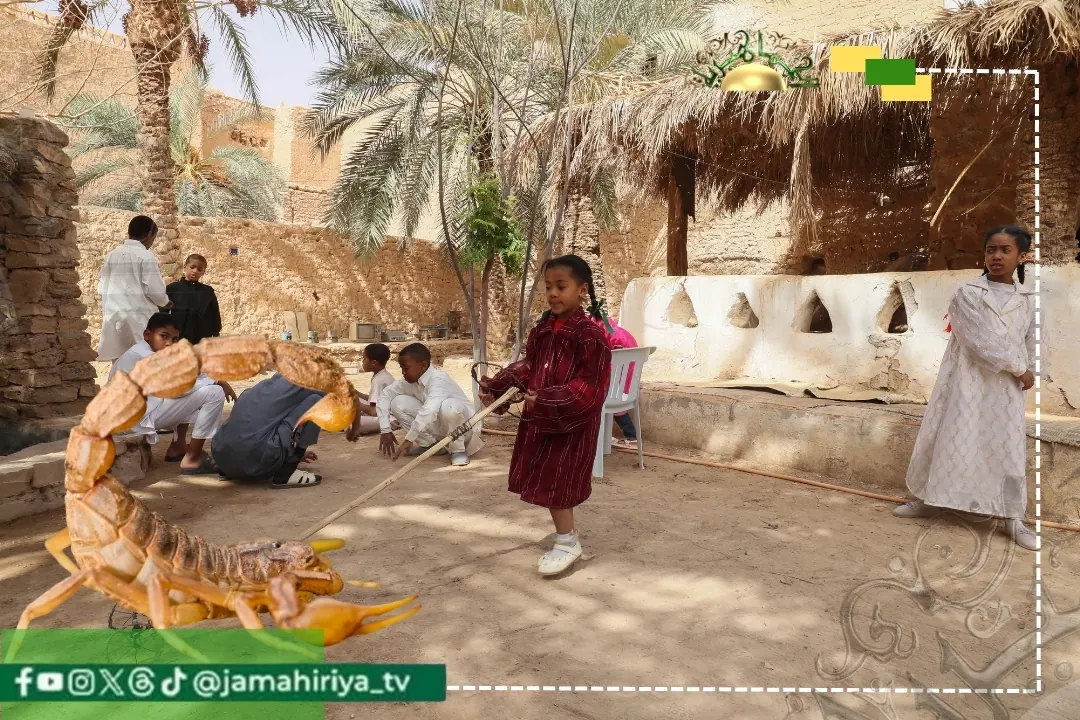
A recent report has shed light on the considerable danger scorpion stings pose to the residents of southern Libya, especially children. Despite efforts by authorities to provide antivenom, scorpion stings continue to be a significant health threat in the region. The city of Awbari recorded 21 cases of scorpion stings over two months, resulting in one fatality - a young girl who suffered four stings on her back.
The director of Awbari's Noor Al-Ilm Rural Center emphasized that the girl required intensive care, but the city's medical facilities lack a specialized critical care unit. Furthermore, Awbari General Hospital is currently undergoing maintenance. In Wadi Ataba, a 5-year-old girl died in August after being stung by a scorpion, amid reports of unavailable antivenom and inadequate medical resources at nearby centers.
Over the past two months, Beni Walid General Hospital treated 81 cases of scorpion and snake bites, with 79 of them being scorpion stings. Historical data reveal that this is not an isolated issue. In July 2025, Awbari reported 30 cases, resulting in two deaths, while Beni Walid Hospital treated 62 cases during the same month.
In Al-Kufra, the city's hospital recorded 379 scorpion sting cases up to June 2024, with two fatalities. According to emergency doctor Saleh Al-Mahjoub, antivenom is essential in combating scorpion venom, but its availability alone is insufficient due to the shortage of medical care, laboratories, and the vast distances between residential areas and healthcare facilities.
Doctor Al-Mahjoub stressed that timely access to well-equipped healthcare centers is crucial in saving critical cases, particularly among children. He urged the Ministry of Health and relevant authorities to develop a sustainable plan for prevention, treatment, and distribution of antivenom, rather than addressing scorpion stings as a seasonal crisis.
The report concluded by calling on southern residents to take preventive measures to limit the spread of scorpions in residential areas, farms, and public spaces. Additionally, it emphasized the need for prompt provision of treatment and care for those affected.
Residents and medical professionals alike emphasize that a coordinated and sustained approach is necessary to mitigate the risks associated with scorpion stings in southern Libya. By addressing the shortages in medical resources and antivenom, authorities can work towards reducing the number of fatalities and providing adequate healthcare to those in need.
Key points
- Scorpion stings pose a significant health threat to children in southern Libya due to limited access to medical facilities and antivenom.
- Authorities are urged to develop a sustainable plan for prevention, treatment, and distribution of antivenom to address the issue effectively.
- Timely access to well-equipped healthcare centers is crucial in saving critical cases, particularly among children.