Schools in Benghazi, Libya, have been closed for a third consecutive week as teachers and educational staff continue their strike. The strike, which began several weeks ago, is over unpaid financial entitlements and demands for a unified salary scale. According to reports, the strike has caused significant disruption to the education sector in the city. Parents have expressed concerns about the impact on their children's education.
The strike is being led by the Benghazi Teachers' Union, which has set out a list of demands, including the payment of overdue financial entitlements, implementation of a unified salary scale, and activation of a comprehensive health insurance system. The union's demands also include an increase in salaries and payment of financial differences. Talks between the union and the relevant authorities have yet to yield a resolution.
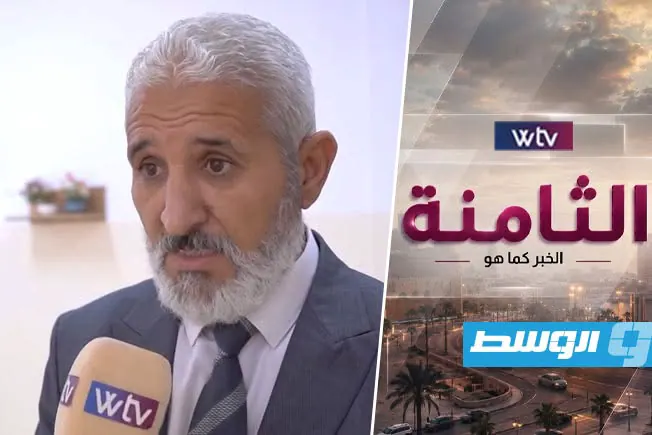
A report by Al-Wasat TV's "Al-Thamina" program highlighted the impact of the strike on schools in Benghazi. The program, which is broadcast daily at 8 pm, featured footage of the empty schools and interviews with parents and teachers. The report also highlighted the concerns of parents about the future of their children's education. The strike has sparked fears that the academic year may be disrupted or even lost.
The Libyan education sector has faced significant challenges in recent years, including a shortage of teachers and educational resources. The strike by teachers in Benghazi has added to these challenges, with many parents and students calling for a swift resolution to the crisis. The authorities have yet to comment on the strike and the demands of the teachers' union.
The strike in Benghazi is not an isolated incident, as teachers in other parts of Libya have also taken action in recent weeks. In Tripoli, teachers have threatened to go on an open-ended strike if their demands are not met. The Libyan government has announced a two-week delay in the start of the new academic year, citing the need to address the challenges facing the education sector.
The crisis in the education sector has sparked concerns about the future of education in Libya. The sector has faced significant challenges since the 2011 uprising, including a shortage of teachers, educational resources, and infrastructure. The international community has called for a swift resolution to the crisis, with many organizations expressing concern about the impact on the country's future.
The teachers' strike in Benghazi has highlighted the need for urgent action to address the challenges facing the education sector in Libya. The authorities must work with the teachers' union and other stakeholders to find a solution to the crisis. The future of education in Libya depends on it.
Key points
- The strike by teachers in Benghazi is over unpaid financial entitlements and demands for a unified salary scale.
- The strike has caused significant disruption to the education sector in Benghazi, with many parents and students calling for a swift resolution to the crisis.
- The crisis in the education sector has sparked concerns about the future of education in Libya, with many organizations expressing concern about the impact on the country's future.