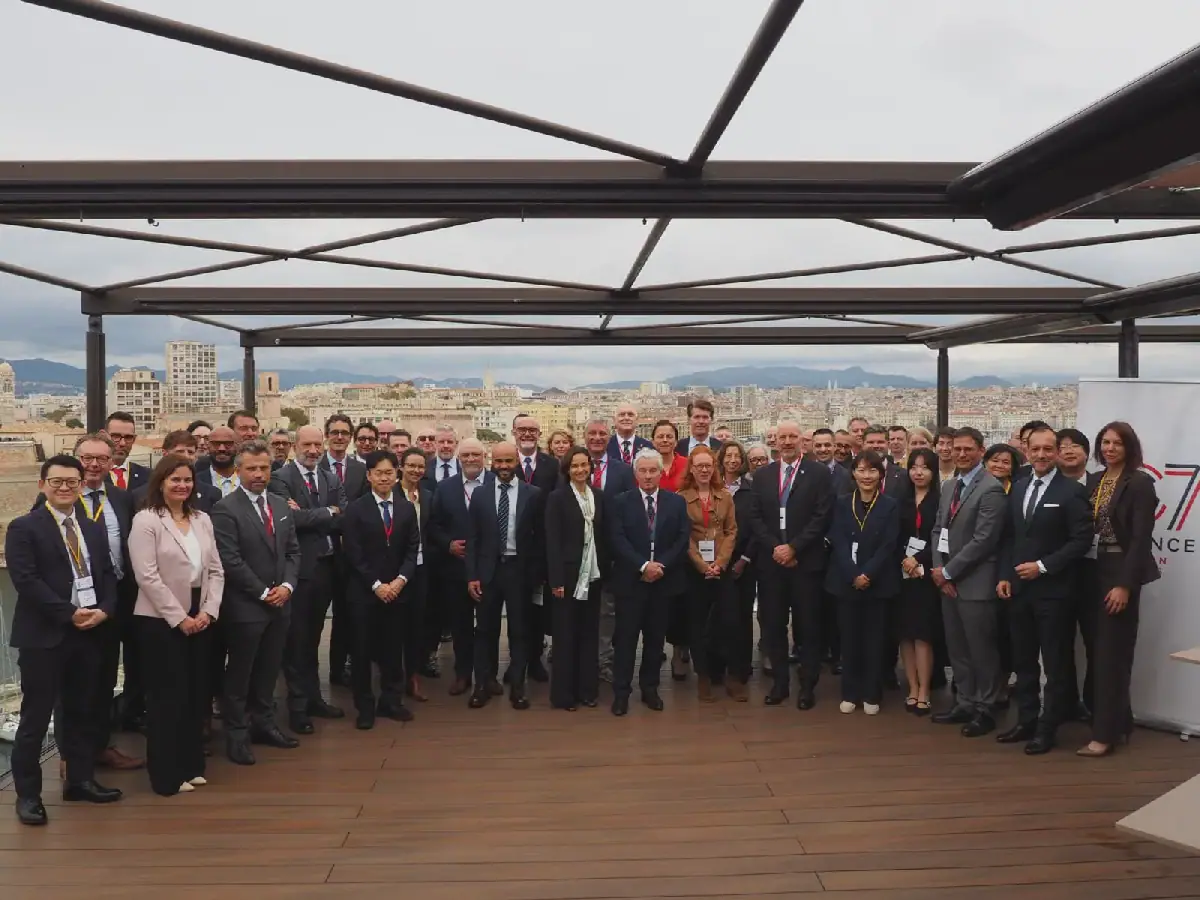
A new network of 14 major ports worldwide is set to be officially launched in Marseille, France, on November 9, 2026. The initiative, announced by French Foreign Minister Jean-Noël Barrot on November 8, 2026, seeks to improve the tracking of cargo shipments and enhance collaboration between ports through the use of advanced technologies like artificial intelligence. This effort aims to strengthen the fight against narcotics trafficking.
The launch of this network, first announced during the Évian summit in June, brings together representatives from various countries' foreign affairs, interior, and customs administrations, as well as international organizations such as the United Nations Office on Drugs and Crime (ONUDC), Interpol, the International Maritime Organization (IMO), and the World Customs Organization (WCO). The network's primary goal is to facilitate the exchange of information and coordinate efforts to prevent narcotics trafficking.
The network's creation is particularly relevant for France, as 70% of the narcotics entering the country pass through its ports. By improving cooperation and information sharing between ports, the network aims to identify and track illicit cargo more effectively. The French ports of Haropa, Dunkerque, Marseille, and Martinique are participating in the initiative, alongside foreign ports such as Busan, Hamburg, Genoa, Gioia Tauro, London Gateway, and Houston.
The launch event in Marseille marks the beginning of a collaborative effort to combat narcotics trafficking, which has become a transcontinental issue. The network will enable ports to share information and best practices, ultimately enhancing their ability to detect and prevent the transportation of illicit goods. This initiative is part of a broader effort to address the root causes of narcotics trafficking.
According to Jean-Noël Barrot, it is essential to tackle the issue at its source by targeting both producer and transit countries. France is working with several countries, particularly in South America, to reduce the flow of narcotics through agreements and intelligence sharing. This cooperation has contributed to a decrease in the influx of narcotics.
The new network is designed to provide a collective response to a complex issue that spans continents and relies on global supply chains. By leveraging technology and international cooperation, the participating ports aim to stay ahead of traffickers and disrupt their operations. The network's success will depend on the continued collaboration and commitment of its member ports.
The fight against narcotics trafficking requires a multifaceted approach, and the new port network is an important step in this direction. As the initiative moves forward, it will be crucial to assess its effectiveness and identify areas for improvement. The involvement of various stakeholders, including governments, international organizations, and private sector actors, will be essential to achieving the network's goals.
Key points
- The network aims to improve the tracking of cargo shipments and enhance collaboration between ports to combat narcotics trafficking.
- 70% of narcotics entering France pass through its ports, highlighting the need for enhanced cooperation and information sharing.
- The initiative brings together representatives from various countries and international organizations to address the transcontinental issue of narcotics trafficking.
Reporting sources
- Quatorze ports s’associent pour contenir le narcotrafic · realites.com.tn