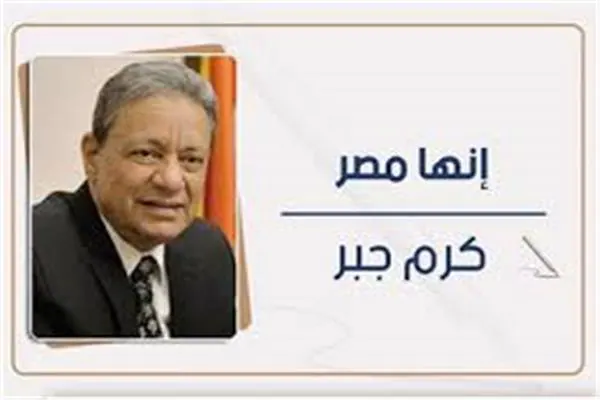
Egypt's opera community is reeling after the head of the Cairo Opera House, Karm Jaber, made comments that sparked outrage and led to several high-profile cancellations. The controversy began during the annual Arab Music Festival, a major cultural event in Egypt. Jaber stated that the opera house did not have a lot of money, comparing its funding to that of other countries. His remarks were perceived as an insult to the country's rich cultural heritage and the artists who perform there.
The backlash was swift, with several prominent Egyptian artists, including Mohamed Tharwat, Ali El-Haggar, and Bahaa Sultan, announcing their withdrawal from the festival in protest. Tharwat released a strongly worded statement, condemning what he saw as an insult to Egyptian art and the exploitation of artists. The artists cited the meager funding allocated to musicians and orchestra members, which they saw as a sign of disrespect.
The crisis deepened as more artists announced their cancellations, including Genat, Assi El-Hellani, Marwa Nagy, and Ahmed Saad. The withdrawals left the festival organizers scrambling to find replacements and salvage the event. The controversy highlighted the challenges faced by Egypt's cultural institutions, including limited funding and the struggle to balance artistic merit with financial constraints.
Jaber faced criticism for his handling of the crisis, with many accusing him of lacking a clear vision and failing to provide alternative solutions. He submitted his resignation, only to retract it, in a bid to contain the fallout. The episode has raised questions about the leadership and management of Egypt's cultural institutions.
To move forward, experts suggest that a comprehensive plan is needed to restore trust and ensure the long-term sustainability of the opera house. This could involve separating the pay scales of musicians and stars, as well as exploring new funding models, such as partnerships with private sector sponsors. Some artists have proposed reducing costs by holding all performances at the main theater.
A number of prominent artists, including Amal Maher and Omar Khairat, have offered to forego their fees to support the festival. Their involvement could help to bring attention and resources to the opera house. The crisis has also highlighted the need for more innovative and diverse funding streams, such as selling broadcasting rights and digital streaming.
The controversy has sparked a wider conversation about the importance of Egypt's cultural heritage and the need for effective leadership and management of its institutions. As the opera house looks to the future, it will be crucial to find a balance between artistic excellence and financial sustainability. The experience has also underscored the value of collaboration and dialogue between artists, administrators, and policymakers.
Key points
- Egypt's opera house faces a crisis after the head's comments on funding sparked outrage and cancellations.
- The controversy highlights the challenges faced by Egypt's cultural institutions, including limited funding and the struggle to balance artistic merit with financial constraints.
- A comprehensive plan is needed to restore trust and ensure the long-term sustainability of the opera house.