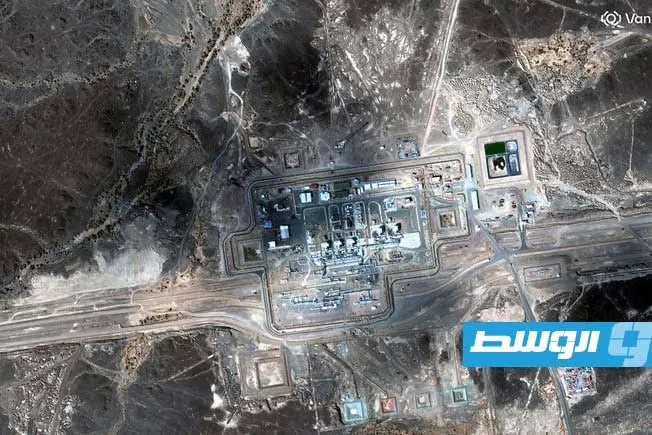
Saudi Arabia has restarted oil exports through the East-West pipeline, a crucial artery for the kingdom's oil shipments, after completing repairs. The pipeline was damaged in drone attacks earlier this month. According to Bloomberg, Saudi Aramco conducted tests on the pipeline last week and began raising pressure to restore large-scale flows by the end of the week. Shipments to external customers have now resumed.
The East-West pipeline has a total capacity of around 7 million barrels per day, with approximately 5 million barrels per day typically allocated for export. Before the attacks, the pipeline was flowing at around 3.5 million barrels per day. The resumption of operations provides an alternative export route for Saudi Arabia, which it used during the Iran-Iraq war. This development is likely to ease concerns among buyers who have been pressing for more supplies.
The drone attacks on the pipeline occurred nearly two weeks ago, targeting areas in Riyadh and Medina. Sources close to the matter reported that Saudi Arabia had resumed operations on the pipeline, albeit at a reduced rate. The attacks highlighted the vulnerability of Saudi Arabia's oil infrastructure and the risks associated with transporting oil through the region.
The resumption of pipeline operations is likely to be welcomed by customers, particularly in Europe, who have been facing uncertainty over supplies. Some European clients were informed that they would not receive allocations for next month under long-term contracts. The development comes as Saudi Arabia's oil exports have reached their highest levels since the start of the war in Yemen.
Saudi Arabia's oil exports via the Strait of Hormuz have surged to over 5 million barrels per day in September, with most of the supplies heading to Asia. However, the route remains fraught with risks, with ships coming under attack from time to time. The conflict with Iran is now in its seventh month, and there are concerns about the security of oil shipments through the region.
The security concerns are not limited to the Strait of Hormuz, as the Red Sea route, which borders Saudi Arabia's western frontier, is also under threat. Yemen's Houthi group has stepped up attacks this month, targeting energy facilities in southwestern Saudi Arabia and the port city of Yanbu on the Red Sea. Saudi Arabia has issued multiple warnings, including in Riyadh, Jazan, and Mecca.
The restoration of the East-West pipeline will be closely watched by market participants, who will be monitoring the volume of oil that Saudi Arabia can pump through the Strait of Hormuz when the pipeline reaches full capacity. According to a source, it may take around six weeks for the pipeline to return to full operation.
Key points
- Saudi Arabia has resumed oil exports through the East-West pipeline after repairs.
- The pipeline has a capacity of 7 million barrels per day, with 5 million barrels per day typically allocated for export.
- The resumption of pipeline operations provides an alternative export route for Saudi Arabia and is likely to ease concerns among buyers.