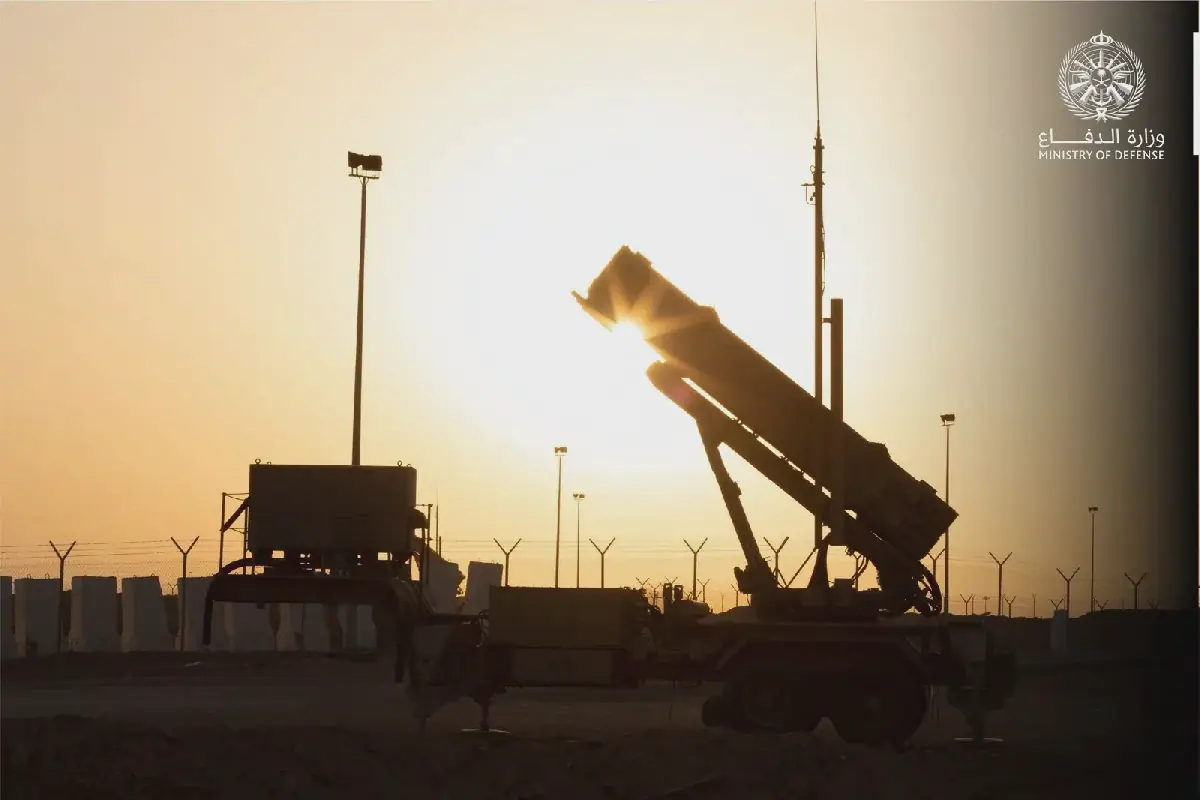
The Saudi-led coalition announced on November 21, 2026, that it had intercepted three ballistic missiles aimed at Riyadh, the capital city of Saudi Arabia. This development comes as Houthi rebels in Yemen continue to pose a security threat to the region. According to Al Jazeera, the attacks occurred overnight on Friday, prompting Saudi authorities to issue urgent warnings to residents in the capital and southern parts of the country.
The Houthi rebels had previously announced that they could target Saudi Arabia's economic infrastructure, including the King Abdullah Financial District in Riyadh and Red Sea ports such as Jeddah. These threats led to Saudi Arabia increasing its defensive measures. Within 24 hours, the national emergency and defense agencies issued eight warnings to residents in various areas, including Riyadh, Jazan, Najran, and Khamis Mushait.
The Saudi-led coalition also conducted airstrikes on Hodeidah ports and Houthi strongholds in the Yemeni capital, Sanaa, on Friday. The goal of these airstrikes was to degrade the Houthis' ability to launch missiles, drones, and other attacks. This escalation follows a recent increase in cross-border attacks. On Thursday, a Houthi attack damaged the headquarters of the Public Investment Fund (PIF) in Riyadh, the tallest building in the capital, without causing any casualties.
These developments occur amid ongoing tensions between the United States, Israel, and Iran, which are affecting regional security. The Houthi rebels, who have ties with Iran, continue to launch attacks on Saudi Arabia. The United Nations has expressed concern over the situation, particularly as the conflict could disrupt critical aid routes for Yemeni civilians.
Despite Saudi Arabia's assertions that it can defend itself, the increasing number of missile and drone attacks could continue to disrupt air traffic, trade, and regional security. However, there is no clear indication that diplomatic efforts have been completely halted, as concerns grow that this conflict could lead to a broader regional war.
The situation remains volatile, with the potential for further escalation. The international community is closely monitoring the developments, given the strategic importance of the region and the humanitarian implications for Yemen. The conflict has already had a significant impact on the region, with millions of Yemenis affected by the ongoing violence.
The Saudi-led coalition's efforts to intercept missiles and conduct airstrikes against Houthi targets are ongoing, as the conflict continues to affect the region's stability. The situation is being closely watched by regional and international actors, who are concerned about the potential for further escalation and its humanitarian consequences.
Key points
- The Saudi-led coalition intercepted three ballistic missiles targeting Riyadh, amid continued attacks by Yemen's Houthi rebels.
- The conflict has affected regional security, with concerns growing that it could lead to a broader war.
- The international community is closely monitoring the situation, given its strategic importance and humanitarian implications.