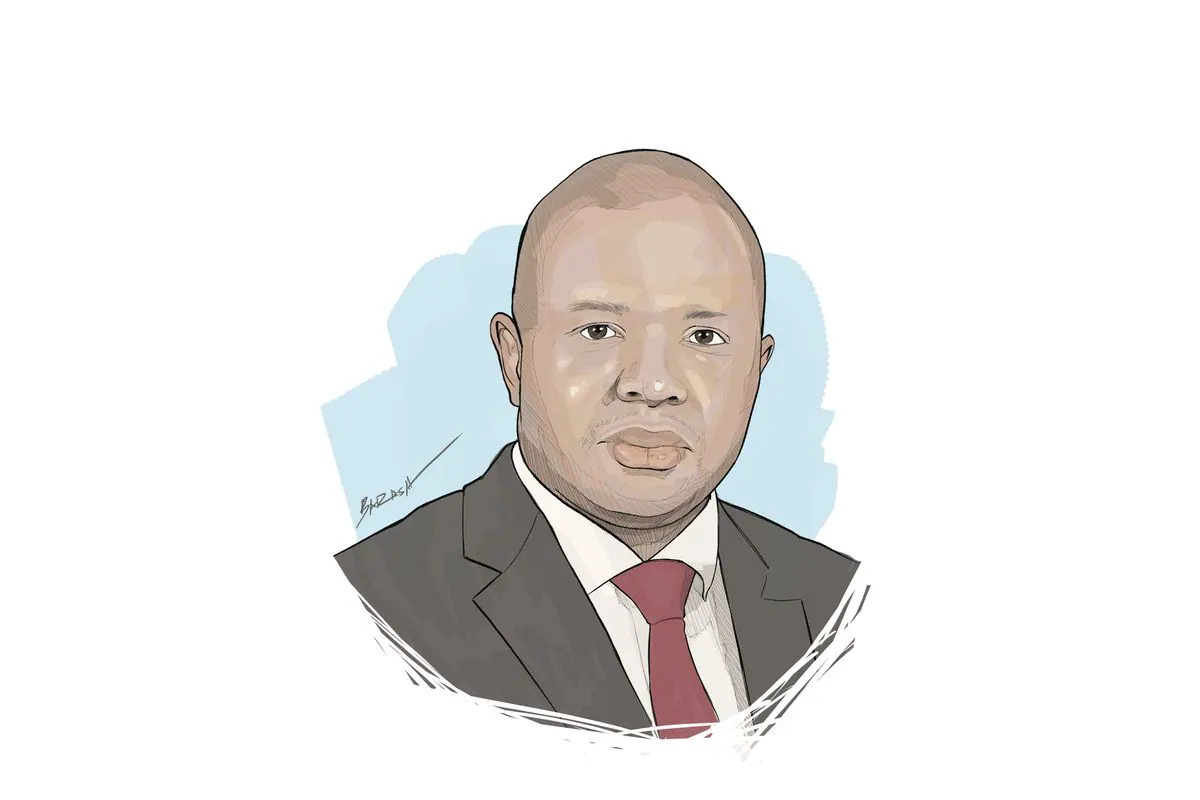
The Sacco sector in Kenya is experiencing consolidation, with 61 tier-one societies controlling over 70 percent of the market. According to Sasra chief executive David Sandagi, the slow pace of voluntary mergers has prompted the regulator to consider stronger measures, including forced mergers, to strengthen weaker societies and safeguard members. This move aims to ensure the stability and resilience of the industry.
The regulated Sacco industry represents more than 90 percent of the assets of both regulated and unregulated Saccos, with 357 regulated entities as of December 2025. There are over 13,000 Saccos and co-operatives outside Sasra's regulatory oversight, but they hold less than nine percent of the market share in terms of assets. Sasra has encouraged Saccos to merge to enjoy economies of scale and strengthen stability.
In 2024 and 2025, only a few successful mergers were witnessed, largely involving bigger Saccos taking over smaller ones. However, recognising that voluntary mergers have not significantly changed the market, Sasra has considered the need to deploy forced mergers. An amendment to the statute may be necessary to allow regulatory tools to encourage such mergers, safeguard members' interests, and maintain stability.
Thousands of Saccos remain outside Sasra's prudential oversight, posing a risk to the reputation of the entire sector. The ministry and Sasra are currently drafting co-operative regulations to guide how best the unregulated segment can be brought under regulatory oversight. Although these Saccos are not operating without any form of supervision, a prudential regulatory regime is still a work in progress.
Sacco lending has been growing faster than deposits, raising concerns about the widening loan-deposit gap. However, according to Sandagi, the liquidity status of the industry is still well above the minimum regulatory requirements. Saccos are developing savings products that match the outflows in the form of loans over a specific period, and there is an opportunity for Saccos to devise additional strategies to mobilise deposits.
The crisis at Kenya Union of Savings and Credit Cooperatives (Kuscco) served as a wake-up call for the sector, highlighting the need for a stronger framework. The Co-operative Bill and the SACCO Societies Amendment Bill 2025 aim to address this and enhance the stability, sustainability, and resilience of the industry. Sasra is hopeful that the National Assembly will favourably consider the proposed amendments.
Sacco dividends as a share of total income have fallen for two years as institutions build capital. Members need to view this trade-off in the context of a Sacco's goals and priorities. A Sacco member occupies a pivotal place, and their interests should be safeguarded through effective regulation and oversight.
Key points
- Sasra is considering forced mergers to strengthen weaker Saccos and safeguard members' interests.
- The regulator aims to bring unregulated Saccos under prudential oversight through co-operative regulations.
- The Sacco sector is experiencing consolidation, with 61 tier-one societies controlling over 70 percent of the market.