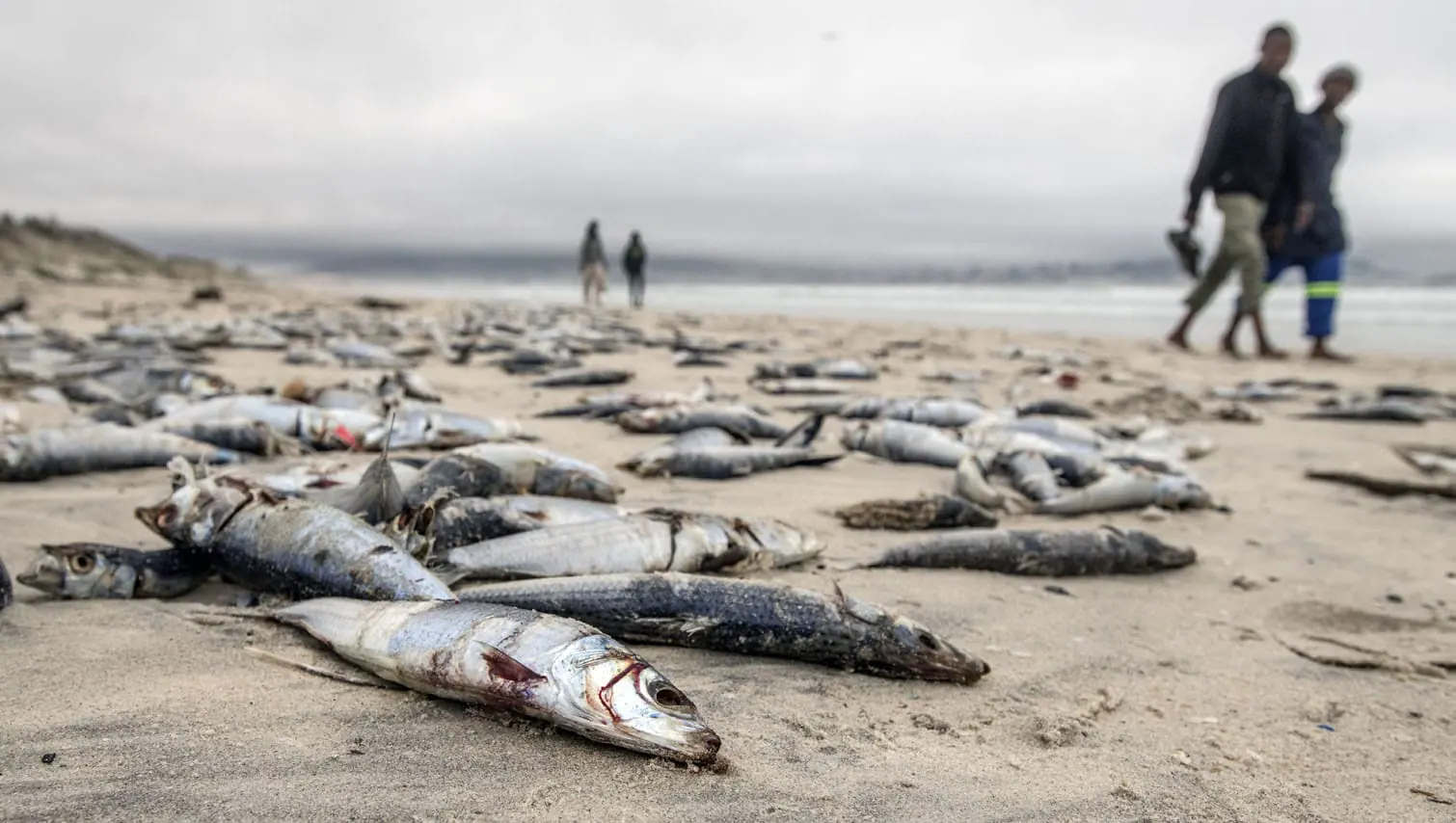
The Department of Forestry, Fisheries and the Environment (DFFE) in South Africa announced on Sunday that no new dead sardines had been reported since September 10, 2026. The last isolated incident of dead sardines washing up was near Mbotji on the northern Wild Coast. This development suggests that the acute phase of the mortality event may be subsiding.
Despite the positive update, the DFFE has maintained surveillance arrangements to monitor the situation closely. According to the department, the absence of further reports indicates that the acute phase of the mortality event has subsided, but it is still too soon to conclude that the event is over. The DFFE has urged coastal authorities, fishers, and the public to report any new cases promptly.
Scientists are still investigating the cause of the sardine deaths, with Pilchard herpesvirus (PHV) being the main suspect. The DFFE is testing samples taken before and during the die-off, as well as samples from commercial sardine catches. The goal is to understand the cause, spread, and source of the virus, as well as its potential link to ocean conditions.
The DFFE has confirmed that a temporary precautionary catch limitation on sardines, introduced on September 11, 2026, remains in force until October 2, 2026. The Small Pelagic Scientific Working Group is scheduled to meet on September 29, 2026, to review mortality reports, lab results, and catch data. The group will advise on the sardine fishery once the catch limit ends.
The High-Level PHV Task Team is overseeing the response plan, and the DFFE plans to conduct a year-end survey to assess the impact of the mortality event on the sardine population. The survey will provide the first estimate of sardine biomass and distribution following the event. This information will be crucial in determining the long-term effects of the mortality event.
The DFFE has addressed concerns about the safety of eating sardines, stating that PHV is a fish virus that does not infect humans. Commercially produced sardine products released through regulated channels are considered safe. However, the department advises against collecting or consuming dead sardines found on beaches, feeding them to animals, or using them as bait.
The DFFE will share any decisions regarding the sardine fishery after the Small Pelagic Scientific Working Group completes its review. The department's cautious approach is aimed at ensuring the sustainability of the sardine population and the safety of consumers. The investigation into the cause of the mortality event is ongoing, with the goal of providing a comprehensive understanding of the situation.
Key points
- The DFFE is monitoring the situation closely, and no new dead sardines have been reported since September 10, 2026.
- Pilchard herpesvirus (PHV) is the main suspect in the sardine mortality event.
- Commercially produced sardine products are considered safe for consumption.