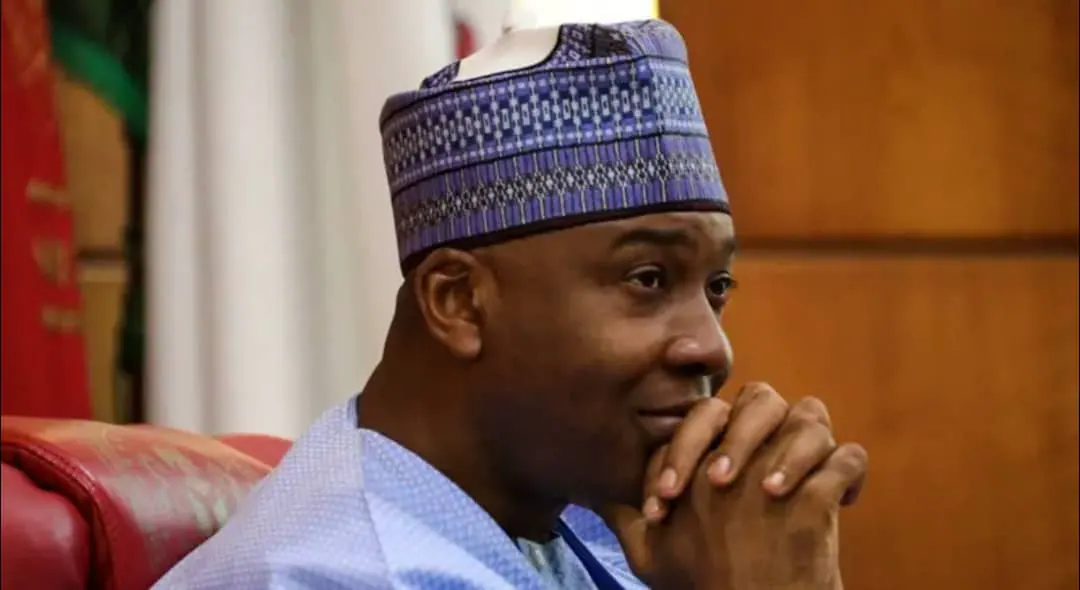
Former Senate President Bukola Saraki has expressed support for the Federal Government's directive requiring ministries, departments, and agencies to purchase vehicles from licensed local assemblers. Saraki described the policy as an opportunity to promote domestic production, create jobs, and reduce pressure on foreign exchange. He stated that the directive aligns with the principle that government spending should stimulate the Nigerian economy by supporting local manufacturers and encouraging investment in domestic industries.
Saraki recalled that the 8th Senate passed a bill in June 2016 seeking to amend the Public Procurement Act to make preference for Nigerian-made goods mandatory. The proposed amendment centred on Section 34 of the Act, with the replacement of the word "may" with "shall" to strengthen the obligation to prioritise locally produced goods in public procurement. Saraki noted that this change was crucial in promoting domestic production and job creation.
According to Saraki, prioritising locally assembled vehicles and other Nigerian-made products could help sustain existing jobs, create new employment opportunities, and give manufacturers the confidence to expand their operations. He argued that increased government patronage of locally produced goods could also reduce demand for imported products and ease pressure on the country's foreign exchange market.
Saraki urged the government to ensure consistent implementation of the directive, stressing that its benefits would depend on whether public institutions translated the policy into sustained procurement practices. He also called for the underlying principle to be embraced across all arms of government, arguing that public expenditure should contribute to domestic economic growth rather than simply meet the purchasing needs of government agencies.
The former Senate President emphasised that when government buys locally produced goods, it supports jobs, reduces pressure on foreign exchange, and gives manufacturers the confidence to invest, expand, and employ more people. He expressed optimism that the directive would have a positive impact on the economy if implemented consistently.
Saraki's endorsement of the directive is significant, given his experience as a former Senate President and governor of Kwara State. His support for the policy is expected to lend credence to the government's efforts to promote domestic production and job creation. The directive is also seen as a move to reduce the country's reliance on imported goods and promote economic growth.
The implementation of the directive is expected to have a positive impact on the economy, particularly in the automotive sector. Local vehicle assemblers are expected to benefit from the increased demand for their products, which could lead to an increase in production and job creation. The government is also expected to save foreign exchange, which could be used to fund other critical sectors of the economy.
Key points
- The directive requires ministries, departments, and agencies to purchase vehicles from licensed local assemblers.
- Saraki recalled that the 8th Senate passed a bill in June 2016 seeking to amend the Public Procurement Act to make preference for Nigerian-made goods mandatory.
- The implementation of the directive is expected to promote domestic production, create jobs, and reduce pressure on foreign exchange.