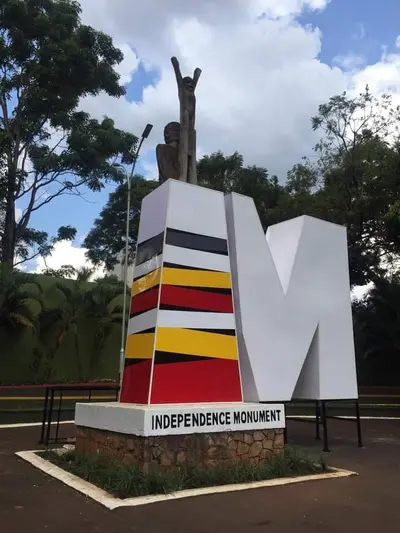
Uganda is commemorating 64 years of independence from British colonial rule, which was achieved on October 9, 1962. Since then, the country has experienced civil wars, economic challenges, and recent declines in democratic governance. The nation's political landscape remains a source of concern for its citizens and international observers. Despite progress in economic growth and stability, Uganda's political trajectory continues to be uncertain. The country's independence celebrations are marked by mixed feelings among its population. Many Ugandans are reflecting on the nation's journey since gaining freedom.
President Yoweri Museveni's rise to power in January 1986 initially brought optimism for a new era of leadership. His government implemented constitutional reforms in 1995, introducing safeguards such as presidential term limits and age restrictions to prevent abuses of power. Additionally, laws aimed at enhancing women's participation in politics sparked hope for a more inclusive democracy. These reforms were seen as significant steps towards consolidating democracy in Uganda. However, the subsequent repeal of these provisions in 2007 and 2018 eroded the initial optimism. The reversal of these reforms has been widely criticized by human rights groups and opposition leaders.
The January 2026 elections in Uganda were marred by reports of widespread irregularities, including the abduction of opposition supporters and polling agents. Many opposition candidates were denied fair chances to compete, raising concerns about the electoral process. The pre-election environment was characterized by fear, with reports of abductions, torture, and repression of dissent. These incidents have contributed to the growing uncertainty about Uganda's political direction. The international community has expressed concern about the country's democratic decline. Uganda's relations with its international partners are likely to be affected by its handling of democratic governance.
In a surprising move, General Muhoozi Kainerugaba, the current military chief, has been endorsed for the presidency in 2031 by a new political outfit called the "Patriotic League of Uganda." This endorsement is significant given that his father, President Museveni, continues to lead the country. The early endorsement has generated concern and debate among the public and political factions. Observers fear it signals a return to military dominance in governance, reminiscent of the Amin and Obote eras. The blurring of the distinction between civilian and military authority is a source of concern for many Ugandans.
The current political situation in Uganda is precarious, with many citizens living in fear. The reports of abductions, torture, and repression of dissent have created an environment of anxiety. The looming uncertainty about the country's future continues to overshadow its achievements in economic growth and stability. As Uganda celebrates its independence, there is an urgent need for dialogue among its citizens and support from international institutions to navigate these challenges. The African Union and the United Nations have been urged to play a role in supporting Uganda's democratic development.
Robert Kigongo, a sustainable development analyst, has called for calm and dialogue in the face of Uganda's current challenges. He emphasizes the need for Ugandans to come together to address the country's political and economic challenges. The analyst's views are shared by many who believe that Uganda's future depends on its ability to manage its political transitions peacefully. The country's experience in the past has shown that political instability can have severe consequences for its development. Uganda's international partners are also expected to play a role in supporting its democratic development.
As Uganda looks to the future, its citizens and international observers are watching with bated breath. The country's ability to manage its political transitions peacefully will be crucial in determining its future. The endorsement of General Muhoozi Kainerugaba for the presidency in 2031 has raised concerns about the country's direction. However, there is still hope that Uganda can navigate its challenges and consolidate its democracy. The international community will be watching Uganda's progress closely, and the country's leaders will need to demonstrate their commitment to democratic governance.
Key points
- The current political situation in Uganda is precarious, with many citizens living in fear of abductions, torture, and repression of dissent.
- The endorsement of General Muhoozi Kainerugaba for the presidency in 2031 has raised concerns about a return to military dominance in governance.
- There is an urgent need for dialogue among Ugandans and support from international institutions to navigate the country's challenges.