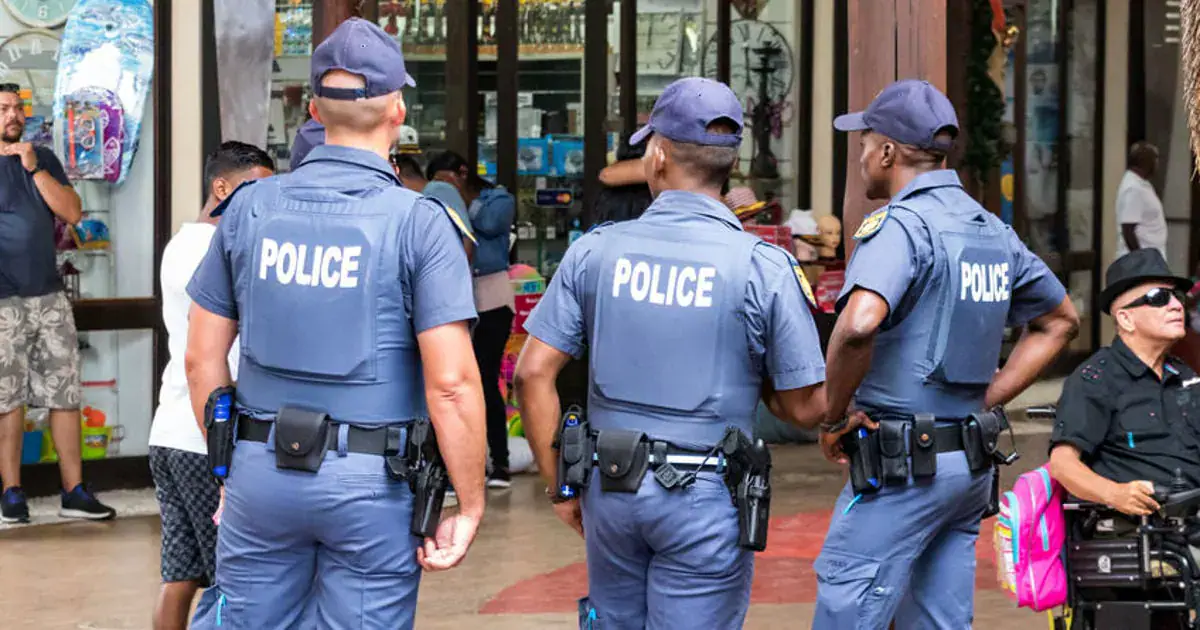
The South African Police Service (SAPS) has identified 331 high-risk voting stations across the country ahead of the 2026 local government elections. According to SAPS, these high-risk stations are potential flashpoints linked to service delivery protests, community unrest, and other security incidents. The police have spent several months preparing for the upcoming elections through conducting simulation exercises, mobilising resources, and assessing provincial readiness.
KwaZulu-Natal accounts for 165 of the high-risk voting stations, with 124 of these in eThekwini alone. Gauteng has the second-highest number, with 119 high-risk stations, which include 75 in Johannesburg, 23 in Ekurhuleni, and 14 in Tshwane. The Western Cape has 33 high-risk stations, all in Cape Town, while Mpumalanga has 11. National police commissioner Fannie Masemola assured that the police are operationally ready to secure the polls.
The South African Police Service has been working to ensure a secure voting environment for the 2026 local government elections. With just a few days to go before the polls, the police have mobilised resources and assessed provincial readiness. According to Masemola, the court application by the police minister is not intended to take away people's rights to demonstrate.
The identification of high-risk voting stations is part of SAPS' efforts to ensure a secure voting environment. The police have been working closely with various stakeholders to identify potential hotspots and develop strategies to mitigate risks. The 2026 local government elections are expected to be a crucial event in South Africa's democratic calendar.
The Independent Electoral Commission (IEC) has also been working to ensure a smooth voting process. The IEC has secured over 23,000 voting stations ahead of the local elections and has urged voters to cooperate with electoral officials. The commission has also geared up for the local government elections, with 2.6 million voters set to cast special ballots.
The 2026 local government elections are expected to be a significant event in South Africa's democratic calendar. Various stakeholders, including political parties and civil society organisations, have been working to ensure a smooth and peaceful voting process. The elections will provide voters with an opportunity to elect their local representatives and hold them accountable for service delivery.
The SAPS' identification of high-risk voting stations is a critical step in ensuring a secure voting environment. The police will continue to work closely with various stakeholders to mitigate risks and ensure a peaceful and successful voting process. The 2026 local government elections will be a crucial event in South Africa's democratic calendar, and all stakeholders must work together to ensure its success.
Key points
- SAPS identifies 331 high-risk voting stations ahead of 2026 municipal polls.
- KwaZulu-Natal accounts for 165 of the high-risk voting stations.
- SAPS is operationally ready to secure the polls.