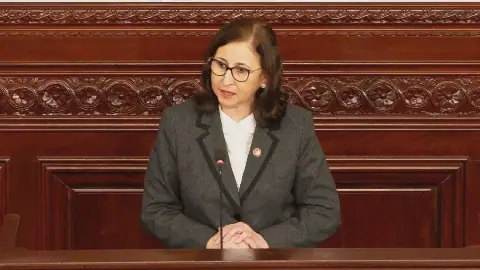
Following the 2026 legislative elections, Sao Tome and Principe's National Assembly will comprise 19 female members out of 55, marking a substantial increase from the previous legislature's 8 female representatives. This development represents a significant advancement in the country's political representation and democracy. The proportion of seats occupied by women has risen from 14.5% to 34.5%.
This progress is attributed to the country's adoption of the Parity Law in 2022, which stipulates a minimum representation of 40% of each sex in candidate lists and establishes rules for the ordering of candidates in these lists. The 2026 elections tested this new legal framework, demonstrating that a legal reform can produce concrete changes when accompanied by political will, rigorous monitoring, and collective mobilization.
National institutions played a crucial role in this evolution. The Parity Law Monitoring Commission analyzed candidate lists and encouraged necessary adjustments before validation. Electoral and jurisdictional authorities, political parties, civil society organizations, and women involved in public life contributed to implementing the law within their respective roles.
The experience highlights that even with progress, the first application of the law must be evaluated with clarity. Challenges persist in complying with and applying the law, providing lessons for future electoral processes. Women were at the center of this dynamic, with 72 women from seven political parties and five districts benefiting from training on political communication, negotiation, and prevention of violence against women in politics.
A network of over 105 people, including parliamentarians, party members, and journalists, publicly defended parity. Exchanges with Cape Verdean parliamentarians opened up prospects for sharing experiences and mentorship. The results belong to Sao Tome and Principe and illustrate the contribution of international cooperation based on national priorities and complementary competencies.
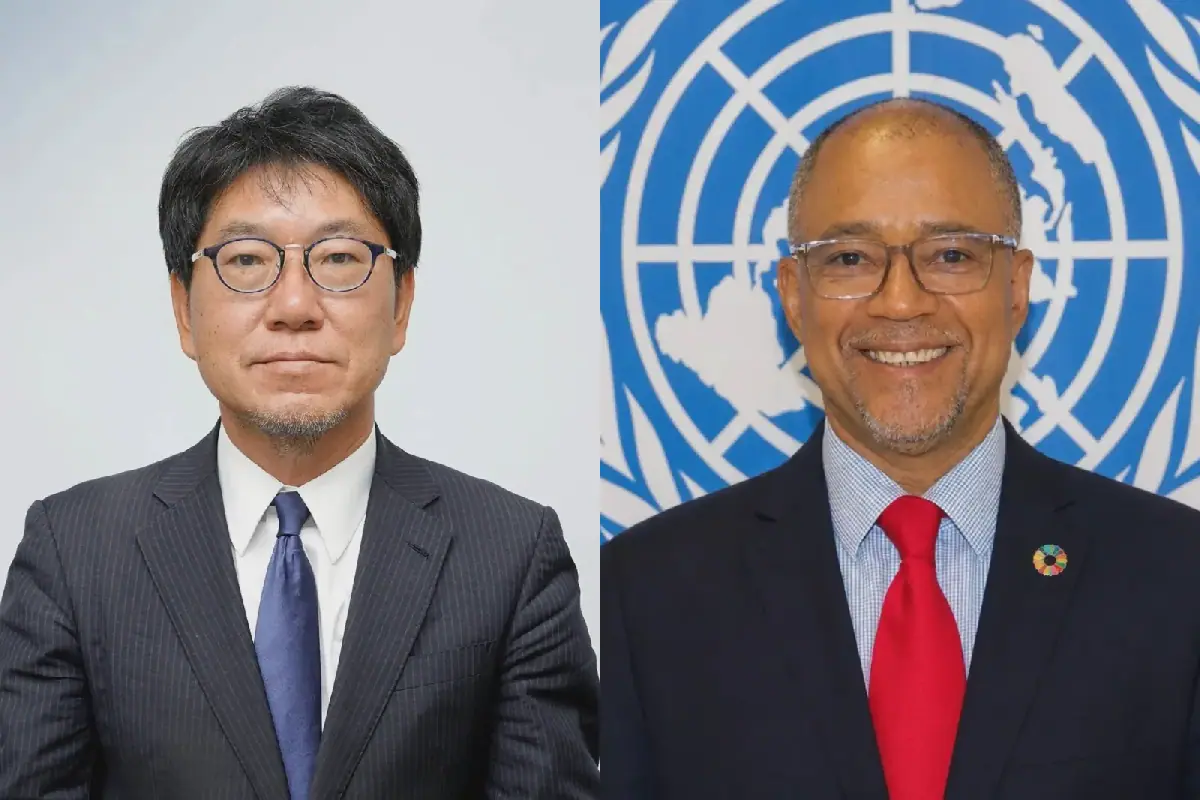
The United Nations Development Programme (UNDP) supported national institutions and stakeholders throughout the 2026 electoral cycle, particularly in implementing the new legal framework, dialogue, awareness-raising, and capacity-building, with financial support from the Japanese Government. Japan's commitment aligns with the principles advocated since 1993 at the Tokyo International Conference on African Development (TICAD).
The UNDP's commitment confirms the importance of long-term support for inclusive institutions and governance. The mobilization of the UN Resident Coordinator, UN Women, and other UN system partners reinforced the complementarity of this action, respecting national leadership. The focus now shifts to ensuring that the increased representation of women translates into influence, creating conditions for them to effectively exercise their mandate and contribute to national priorities.
Key points
- Sao Tome and Principe's National Assembly will have 19 female members out of 55.
- The country's adoption of the Parity Law in 2022 contributed to the significant increase in female representation.
- International cooperation, particularly with the UNDP and Japanese Government, supported the country's efforts to promote inclusive governance.