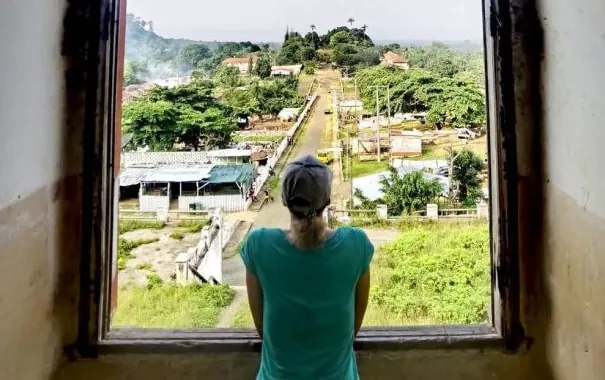
Sao Tome and Principe is commemorating the 51st anniversary of the nationalization of roças, a significant event that occurred on September 30, 1975, two months after the country gained independence. The roças, which have been the backbone of the nation's economy since the 16th century, hold a rich historical and cultural legacy. Recently, six of these roças were recognized as World Heritage sites by UNESCO in 2026, acknowledging their importance and potential for sustainable development through rural tourism and local agricultural production.
The nationalization of roças led to the consolidation of over 200 properties into 15 large state-owned agricultural enterprises. This move aimed to ensure food security and maintain the production of cacao, the country's primary export commodity. The year 1979 saw the highest success in cacao export, with 7,489 tons sent to the international market, following the implementation of Plano 79, a civic effort involving public officials and the government in harvesting and processing cacao.
Alda Sousa Pontes, a vegetable farmer, participated in a government-organized agricultural fair to celebrate the nationalization of roças. She considers September 30 a historic milestone, symbolizing the nation's control over its roças and its readiness to serve the country. Pontes emphasized the significance of this day, highlighting the importance of working together to promote development and overcome challenges.
However, the roças began to decline in productivity from the 1990s onwards, resulting in a significant decrease in cacao exports, which dropped to 2,000 tons. Pontes attributed this decline to a lack of proper management and valuation of the roças after nationalization. She urged the people of Sao Tome and Principe to unite and work towards a better future, emphasizing that the country is rich in resources and potential.
The recognition of six roças as UNESCO World Heritage sites in 2026 has sparked hope for the promotion of sustainable development through rural tourism and local agricultural transformation. This prestigious recognition aims to raise awareness about the importance of preserving these cultural and historical sites. Pontes highlighted the need to change perceptions, particularly among women, about working in agriculture, emphasizing its dignity and value.
September 30 remains a significant national holiday in Sao Tome and Principe, second only to July 12, the country's independence day. The commemoration of this event serves as a reminder of the nation's history and its efforts to develop and preserve its cultural heritage. As the country looks to the future, it is expected to focus on promoting sustainable development and harnessing its rich resources.
The nationalization of roças marked a significant turning point in Sao Tome and Principe's history, and its legacy continues to shape the country's development. As the nation celebrates 51 years since this event, it is an opportunity to reflect on the past, assess the present, and look towards a brighter future, leveraging the potential of its roças and rich cultural heritage.
Key points
- Sao Tome and Principe commemorates the 51st anniversary of roça nationalization, highlighting the significance of these cultural and historical sites.
- The country's roças, recognized as UNESCO World Heritage sites, hold great potential for sustainable development through rural tourism and local agricultural production.
- The nationalization of roças aimed to ensure food security and maintain cacao production, the country's primary export commodity.