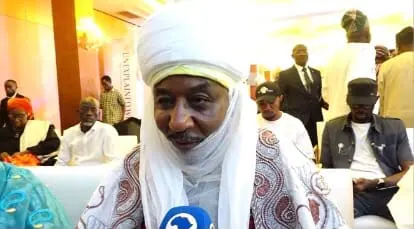
The Emir of Kano, Alhaji Muhammadu Sanusi II, has expressed concerns about the handling of corruption cases in Nigeria, suggesting that political connections influence the outcome of such cases. In an interview with Channels Television, Sanusi questioned the prolonged detention of former Kaduna State governor, Nasir El-Rufai, who has been in detention for seven months without being convicted. The emir described El-Rufai as his brother and raised concerns about the consistency of the anti-corruption campaign.
Sanusi emphasized the need for institutions responsible for investigating, prosecuting, and trying cases to properly enforce anti-corruption laws. He alleged that some corruption cases had been dropped due to the involvement of individuals with political connections or influential supporters. The emir cited instances where charges were dropped against individuals with the right political environment or support, raising questions about the fairness of the anti-corruption campaign.
The emir's comments highlight concerns about the politicization of corruption cases in Nigeria. Sanusi stressed that enacting laws to fight corruption was not enough, and that institutions responsible for enforcing them needed to be strengthened. He warned that without proper enforcement, anyone with the right political connections could get away with anything. The emir's remarks have sparked a renewed debate about the need for a fair and impartial anti-corruption campaign.
El-Rufai is facing trial on charges related to alleged corruption and money laundering, among other charges. Sanusi's comments come at a time when Nigerians are questioning the motive behind some anti-corruption proceedings. The emir's concerns are shared by many who believe that the anti-corruption campaign should be applied consistently, without regard to political connections or influence.
Sanusi added that reviewing the laws was a good step, but the institutions charged with enforcing them also needed attention. He emphasized that politicians and those in charge of the judiciary needed to use the laws for their intended purpose. The emir's call for a fair and impartial anti-corruption campaign is timely, given the concerns about the handling of corruption cases in Nigeria.
The detention of El-Rufai has raised concerns about the use of detention as a tool for silencing political opponents. Sanusi's comments have sparked a renewed debate about the need for a fair and impartial anti-corruption campaign. The emir's call for attention to the institutions responsible for enforcing anti-corruption laws is a reminder that a fair and just society requires a robust and impartial justice system.
The case has also highlighted the need for transparency and accountability in the handling of corruption cases. Sanusi's concerns about the politicization of corruption cases are shared by many who believe that the anti-corruption campaign should be applied consistently, without regard to political connections or influence. The emir's remarks have sparked a renewed debate about the need for a fair and impartial anti-corruption campaign.
Key points
- The Emir of Kano, Alhaji Muhammadu Sanusi II, questions the prolonged detention of former Kaduna State governor, Nasir El-Rufai, citing concerns about the politicization of corruption cases in Nigeria.