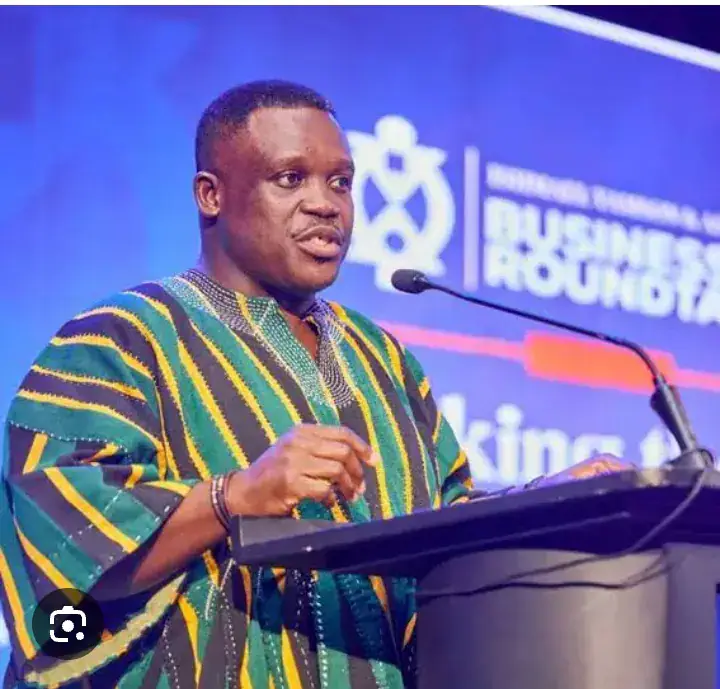
Ghana's Minister of Communication, Digital Technology and Innovations, Samuel Nartey George, has reaffirmed the government's commitment to protecting journalists. He warned that anyone who attacks media practitioners will be held accountable under the law, stressing that no individual, regardless of position, political affiliation, or authority, would be shielded from prosecution. This statement was made at a media engagement in Accra, where Mr. George emphasized the importance of safeguarding journalists.
The Minister also urged journalists to uphold professional and ethical standards, cautioning against the publication of unverified reports, partisan narratives, and content driven by ethnic or religious divisions. He noted that paid journalism and other unethical practices undermine the credibility of the media and erode public confidence in the profession. Mr. George, however, stressed that professional misconduct cannot justify violence against journalists.
Mr. George advised individuals who believe they have been unfairly treated by journalists to seek corrections, file complaints with regulators, or pursue legal action. He emphasized that bad journalism should be challenged with corrections or court action, never with violence. This stance aligns with the government's efforts to promote a safe and responsible media environment.
Ghana has shown improvement in the 2026 World Press Freedom Index published by Reporters Without Borders, moving from 52nd to 39th out of 180 countries. The country scored 72.20, its strongest performance in five years, and ranked fourth in Africa. Despite this progress, Reporters Without Borders notes that journalist safety remains a concern, particularly for those investigating mining and salt extraction.
The media engagement, organized by the Media Foundation for West Africa (MFWA), also featured the launch of a Model Safety Policy for Journalists. This policy provides newsrooms with guidelines and practical measures to protect journalists from physical, digital, legal, and psychological threats. It recommends risk assessments before dangerous assignments and emergency response procedures.
The MFWA has established a GH¢550,000 legal support fund and a network of media-defense lawyers to assist journalists facing legal threats. Mr. George urged media owners to adopt the Model Safety Policy and ensure that freelancers, regional correspondents, camera operators, and online journalists are also protected. This initiative aims to enhance the safety and well-being of journalists in Ghana.
The government's commitment to protecting journalists and promoting press freedom is crucial for Ghana's democratic development. The Minister's warning to attackers of journalists and the launch of the Model Safety Policy demonstrate efforts to address concerns around journalist safety. Key stakeholders must work together to ensure a safe and enabling environment for journalists to perform their duties effectively.
Key points
- The Ghanaian government has reaffirmed its commitment to protecting journalists and holding perpetrators of attacks against them accountable.
- Ghana has improved in the 2026 World Press Freedom Index, moving from 52nd to 39th out of 180 countries.
- A Model Safety Policy for Journalists has been launched to provide guidelines and practical measures to protect journalists from various threats.