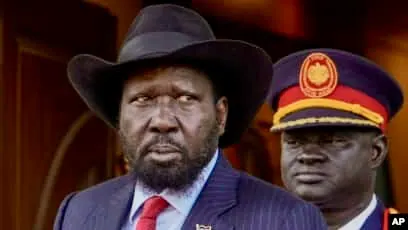
On September 22, South Sudan President Salva Kiir dissolved the unity transitional government, just three months ahead of the general elections scheduled for December 22, 2026. Kiir will continue to serve with his constitutional powers until a newly elected president assumes office. The dissolution affects the five vice-presidents, the Council of Ministers, the Parliament, and state governments, which have been relieved of their duties.
An interim administration has been tasked with managing the country's affairs during the electoral period. This move follows the recent promulgation of amendments to the electoral law, allowing for the dissolution of transitional institutions in the three months leading up to the polls. The decision effectively ends the institutional architecture established by the 2018 revitalized peace agreement, which had provided for a power-sharing arrangement between Kiir, Riek Machar, and other political leaders.
However, the move has been met with resistance from some opposition groups, who argue that the process was not sufficiently consulted. The European Union has urged the interim administration to limit itself to routine management. In response, President Kiir stated that the 2018 peace agreement remains in force and reaffirmed his commitment not to extend the transition period further.
The main political parties are set to meet on September 24 to discuss outstanding disagreements related to the electoral process. South Sudan, which gained independence in 2011, has yet to hold its first general elections. The upcoming polls are seen as a crucial step towards consolidating peace and stability in the country.
The dissolution of the government has raised concerns about the readiness of the country to hold credible elections. The opposition has expressed concerns about the electoral process, citing issues with voter registration, security, and the neutrality of the electoral commission. Despite these challenges, the government remains committed to holding the elections as scheduled.
The international community has been closely following the developments in South Sudan, with many countries and organizations expressing their support for the peace process. The African Union and the United Nations have both emphasized the importance of holding peaceful and credible elections. The country's progress towards stability and democracy will be closely watched in the coming months.
As the country prepares for the elections, the interim administration will play a crucial role in ensuring a smooth transition. The administration will be responsible for managing the country's affairs, including security, finance, and public services. The success of the interim administration will be critical in maintaining stability and ensuring that the electoral process is carried out fairly and transparently.
Key points
- President Salva Kiir dissolved the unity transitional government on September 22, ahead of the December 2026 elections.
- The dissolution has been met with resistance from some opposition groups, who argue that the process was not sufficiently consulted.
- The country is set to hold its first general elections since gaining independence in 2011.